Abstract Outdoor Wall Art That Transforms
A blank garden wall can flatten an otherwise beautiful space. You might have the planting right, the seating right, even the lighting right, but without a focal point the whole scheme can still feel unfinished. That is where abstract outdoor wall art earns its place. It brings movement, colour and personality to exterior spaces in a way that feels considered rather than purely decorative.
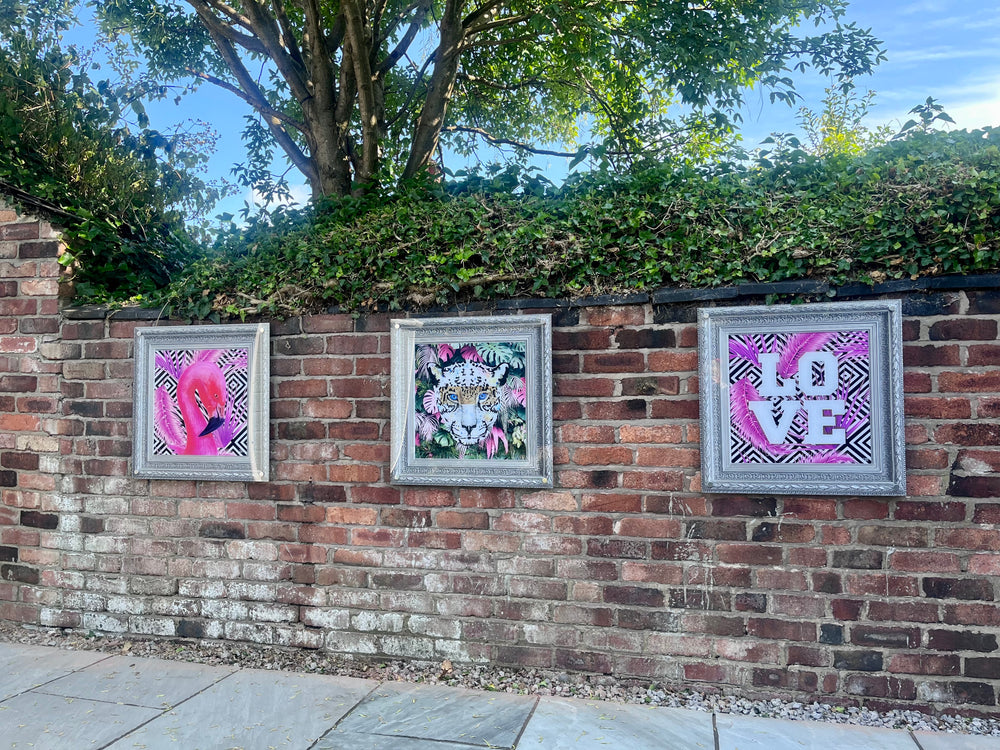
Abstract pieces work particularly well outdoors because they do not ask the space to copy a single theme too literally. Instead, they shape atmosphere. A soft blend of muted tones can calm a courtyard. Bold geometric forms can sharpen up a modern patio. High-contrast prints can make a fence or rendered wall feel intentional, not simply practical.
Why abstract outdoor wall art works so well outside
Outdoor spaces are rarely static. Light shifts across the day, shadows move, leaves soften edges and the weather changes the mood of everything around it. Abstract outdoor wall art responds well to that constant variation because it is not fixed to one obvious subject. The artwork can feel crisp and graphic in full sun, then more layered and atmospheric when the light drops.
That flexibility matters when you are styling a garden or terrace that gets used in different ways. During the day, the art may sit behind a dining set or frame a planting zone. In the evening, it can become part of the backdrop for entertaining. Good abstract art holds its presence without competing with the rest of the space.
There is also a practical design advantage. Exterior walls are often larger, more exposed and visually harder than interior walls. Abstract compositions can handle that scale. They are less likely to look lost against brick, timber, render or fencing, especially when printed with strong definition and outdoor-ready colour.
Choosing the right look for your space
The best piece is not always the loudest one. Scale, palette and placement matter just as much as the artwork itself.
If your outdoor space already has plenty going on, think layered planting, patterned paving, textured furniture or a mix of pots, a quieter abstract design can create balance. It adds interest without making the area feel busy. On the other hand, if the wall is plain and the furniture is minimal, a bolder print can do more of the visual heavy lifting.
Colour is usually the easiest starting point. Pull one or two shades from existing cushions, planters or nearby planting and look for artwork that echoes them. This helps the piece feel integrated into the scheme rather than added at the end. Neutrals, monochrome and earthy tones suit contemporary and architectural gardens, while stronger blues, terracottas and layered multi-tone designs can warm up entertaining spaces.
Shape plays its part too. Horizontal formats can widen a narrow patio wall and make a seating area feel more generous. Vertical pieces are useful where space is tighter or where you want to draw the eye upward, especially near doors, pergolas or taller planting. Large statement pieces tend to look more confident than several small ones unless you are creating a deliberate gallery-style arrangement.
Weatherproofing is not a small detail
This is the point many homeowners only appreciate after a disappointing purchase. Outdoor art needs to be made for outdoor conditions, not simply marketed for them.
A sheltered corner may still face damp air, temperature changes and strong daylight. An exposed wall has even more to contend with. If the artwork is not properly engineered, fading, warping and surface damage can follow surprisingly quickly. That instantly turns a design feature into a maintenance problem.
For that reason, material quality matters as much as the image itself. Outdoor-grade acrylic has clear advantages for exterior display. It offers crisp printed detail, strong colour performance and the kind of durability that makes sense in a real garden setting. When combined with UV and water resistance, it gives you the confidence to style an exterior wall as seriously as an interior one.
That confidence changes how you buy. Instead of treating outdoor art as a seasonal extra, you can choose a piece with the expectation that it will hold its impact over time. For a design-led space, that is a far better investment.
Abstract outdoor wall art in different garden styles
One of the strongest things about abstract art is its range. It can feel sharp and contemporary, relaxed and organic, or expressive and gallery-like depending on the design.
Modern patios and architectural gardens
In clean-lined spaces, abstract work often looks best when it reinforces the structure of the design. Think defined shapes, restrained palettes and compositions that feel intentional. Black, white, sand, charcoal and muted stone tones can sit beautifully against render, porcelain paving and minimal planting.
A single large piece can anchor an outdoor sofa area and stop it feeling too sparse. It adds polish without disrupting the clarity of the layout.
Softer garden rooms and relaxed courtyards
If the space is more layered, with climbing plants, mixed textures and a less formal arrangement, abstract art can bring order without becoming severe. Look for flowing forms, painterly marks and colours that connect with the garden rather than dominate it.
These pieces often work especially well on timber fences and sheltered seating corners where you want to create a sense of intimacy. The result feels styled but still easy.
Eclectic entertaining spaces
Courtyards and patios used for hosting can handle more visual energy. Here, abstract art can be playful, vibrant and expressive. Strong colour contrasts and larger-scale designs help create atmosphere, particularly when paired with lighting, outdoor rugs and statement furniture.
The key is not to match everything exactly. A little contrast gives the space character.
Placement can make or break the effect
Even excellent artwork loses impact if it is hung as an afterthought. Outdoor walls need the same care as indoor ones, and sometimes more.
Start by deciding what the art is meant to do. If it is there to anchor a dining area, place it so it reads clearly from the main seating position. If it is intended to improve the view from inside the house, consider sightlines through doors and windows. If the goal is to break up a long expanse of wall or fencing, centre the piece where it can carry the space visually.
Height matters. Outdoor art is often hung too high because people treat the wall as part of the building rather than part of the room. In seating areas, lower placements usually feel more connected and more luxurious. The artwork should relate to furniture, planters and architectural features around it.
Leave enough breathing space too. A statement piece needs room to read properly. Crowding it with too many accessories can weaken the effect.
The practical side homeowners care about
Style may drive the purchase, but ease matters. Most people want a piece that arrives ready to transform the space, not one that creates a complicated installation project.
That is why straightforward mounting, manageable weight and low-maintenance surfaces make such a difference. The best outdoor wall art is easy to position and easy to live with. It should give your garden wall presence without demanding constant upkeep.
There is also the question of permanence. Some buyers want a year-round focal point. Others like to refresh sections of the garden as the seasons change. Neither approach is wrong. If you prefer flexibility, abstract styles are especially useful because they do not feel tied to a narrow seasonal look. They can move with the space as furniture, planting and accessories evolve.
For homeowners investing in a more polished exterior, that versatility is valuable. It means one well-chosen piece can still feel current even as the rest of the garden develops.
When abstract is the better choice than figurative art
Not every outdoor wall needs a literal image. In fact, abstract can often be the more sophisticated choice.
Figurative styles tend to set a clearer theme. That can work, but it also narrows your options when the surrounding scheme changes. Abstract art gives more freedom. It complements contemporary furniture, traditional brickwork, lush planting and minimalist terraces without forcing the space into one story.
It is also easier to live with over time. The best abstract designs keep revealing different details depending on the light, angle and season. That sense of movement suits outdoor living particularly well.
A well-designed exterior should never feel like the forgotten side of the house. It deserves the same attention to mood, finish and individuality as any interior room. If your garden wall is waiting for that final layer, abstract outdoor wall art is often the piece that makes the whole space click.


Leave a comment