

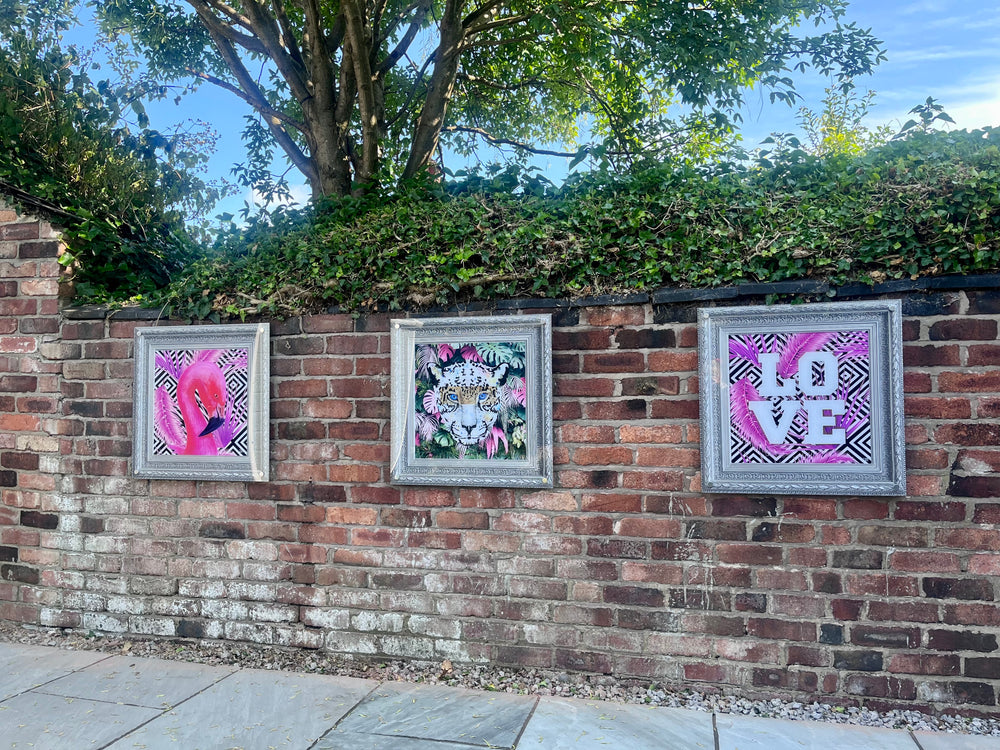
Before and After Garden Styling That Changes Everything
A garden can be beautifully planted and still feel unfinished. The usual reason is not a lack of flowers or furniture, but a lack of visual intention. Before and after garden styling is about changing that feeling: taking an overlooked fence, bare patio or tired courtyard and giving it the considered atmosphere of an outdoor room.
The most convincing transformations rarely come from filling every corner. They come from making a few purposeful decisions about where the eye should land, how the space is used and which surfaces deserve attention. A garden wall is not merely a boundary. It can set the entire mood of the space.
Start with the view, not the shopping list
Stand at the back door, at the garden gate and at the main seating area. What do you see first? In many gardens, it is a run of plain fence panels, a rendered wall with no character, or a collection of practical items that have gradually taken over.
This is the true “before” moment. Take photographs from these viewpoints before moving anything. The images reveal gaps and awkward sightlines that can be easy to overlook when you are standing in the garden every day. They also give you a much more satisfying record of the transformation once the styling is complete.
Next, decide what the space needs to do. A compact patio used for weekend drinks needs a different approach from a long garden viewed mainly from indoors. If your priority is entertaining, create a focal point behind the seating. If the garden is a quiet retreat, use art and planting to draw the eye along a slower, softer route.
Before and after garden styling begins with a focal point
A focal point gives the garden an immediate sense of order. Without one, even expensive furniture and healthy planting can appear scattered. With one, a modest space can feel deliberate and memorable.
Outdoor wall art is particularly effective because it uses vertical space that is often ignored. A single large-scale piece on a fence, courtyard wall or exterior brick surface can create the visual impact that several small accessories cannot. It also stays visible through the seasons, when flowering plants are resting and borders look less full.
Choose the position before choosing the artwork. The best location is usually visible from the house or seating area, but not so high that it feels disconnected from the garden. Aim for a height that relates to furniture, pots and planting below it. In a narrow courtyard, one strong piece at the far end can make the space feel deeper. In a broad garden, art can anchor a lounge zone or make a blank side wall feel intentionally included in the design.
Scale matters more than people expect. A small print on a large expanse of fence can look lost, particularly once surrounding foliage grows. If the wall is substantial, select a statement size or build a carefully spaced arrangement of two or three pieces. Leave enough breathing room around it for the composition to register.
Build a palette that connects house and garden
The strongest after photos have a clear colour story. That does not mean every cushion, pot and bloom must match. It means the colours feel related rather than accidental.
Look first at the fixed elements: brickwork, paving, fencing, window frames and existing furniture. A contemporary garden with charcoal joinery may suit graphic abstract artwork, deep greens and pale stone planters. A weathered brick wall can carry vintage-inspired botanical imagery beautifully, paired with aged terracotta and relaxed planting. For a more expressive garden, street-art influences or rich boho colour can bring life to an otherwise neutral setting.
Use the artwork as the bridge between these elements. Pull one or two tones from it into nearby cushions, planters or a painted bench, then let planting add variation. This is more convincing than matching everything exactly. Nature already provides movement and contrast, so the styling should give it a framework rather than compete with it.
There is one useful trade-off to consider. A highly colourful piece creates instant drama, especially in a garden that looks muted for much of the year. A quieter monochrome or botanical design may age more gently if you regularly change your planting and accessories. Neither choice is inherently better. It depends on whether you want the art to lead the scene or support it.
Give blank boundaries a purpose
Fences and exterior walls often become the neglected backdrop to garden life. Treating them as decorating surfaces is one of the fastest ways to create a visible before-and-after result.
Start by repairing loose panels, washing away algae and clearing clutter from the base of the wall. A clean background makes every subsequent choice look more considered. You do not always need to paint a fence, either. Natural timber can be an excellent contrast to vivid contemporary art, while dark paint can make pale foliage and colourful artwork appear sharper.
Then work from the vertical surface downwards. Place the art first, add larger pots or structural plants beneath it, and only then introduce smaller details. This prevents the familiar problem of a wall display feeling as though it is floating above an unrelated collection of containers.
Weatherproof materials are essential here. Outdoor art should be made for rain, changing temperatures and sun exposure, rather than being an indoor decorative piece pressed into garden service. Outdoor-grade acrylic artwork offers crisp printed colour, water resistance and UV resistance, with a clean contemporary finish that is easy to install. That reassurance matters when the garden must look good beyond one sunny afternoon.
Layer the garden like a room
Once the focal wall is working, the rest of the transformation becomes easier. Think in layers: the floor, the furniture, the vertical surfaces and the softer living layer of planting.
On a patio, begin with the practical route from door to seating. Keep it clear, then define the lounge or dining area with furniture arranged for conversation rather than pushed apologetically to the edges. A bench against a wall may be the right answer in a small garden, while a freestanding sofa arrangement can suit a larger terrace.
Add texture through planters, timber, outdoor textiles and foliage. Repeating one material or finish two or three times creates cohesion. For example, a pair of stone-effect pots and a similarly toned side table can make a mixed seating area look intentional without becoming overly coordinated.
Planting should frame the design, not obscure it. Grasses, ferns and airy perennials work well around a modern art-led scheme because they bring movement without visual heaviness. In a more traditional setting, clipped evergreens or climbing plants can give structure. If you use climbers near artwork, keep them trained away from the piece so the composition remains visible and moisture is not trapped against the wall.
Design for the garden you have in November
A flattering summer photograph is easy. Good garden styling earns its place in the darker, wetter months too. This is where a permanent focal point, evergreen structure and durable finishes make the difference.
Consider how low winter light reaches the wall where you plan to display art. A shaded corner may benefit from a brighter design that lifts the view from the kitchen window. A wall that receives strong afternoon sun may call for artwork with colours you will still enjoy at their most vivid. UV-resistant printing helps preserve that intended impact over time.
Also be realistic about maintenance. An elaborate display of small objects can look appealing on installation day but become tiring to clean around. Fewer, larger gestures often perform better: one statement artwork, substantial planters and furniture with enough room to move around comfortably. The aim is a garden that feels styled even when life is busy.
Let the after feel personal, not staged
The final layer is where the garden stops resembling a showroom and starts reflecting the people who use it. Choose artwork that says something about your taste, whether that is graphic abstraction, vintage florals, equine imagery or a limited-edition piece with a bolder point of view.
YARDART UK is built around this idea: exterior spaces deserve art chosen with the same confidence as a hallway, kitchen or living room. The right piece does more than fill a wall. It makes a patio feel hosted, gives a fence a purpose and creates a view worth looking towards.
When you photograph your finished garden, use the same angles as the before images. You will see the change clearly: less blank space, stronger sightlines and a setting that feels complete. More importantly, you will feel it each time you step outside. Start with the wall you currently ignore, and let that one decision shape the garden around it.


Leave a comment