

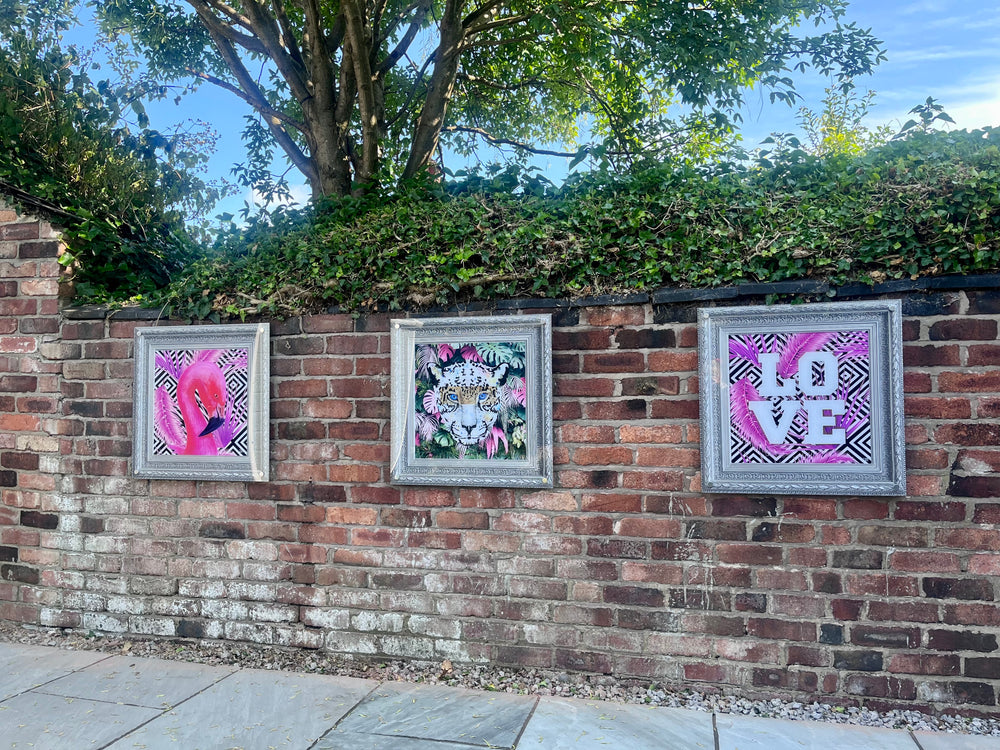
Before and After Patio Wall Transformation
A patio can have beautiful paving, generous planting and comfortable seating, yet still feel unfinished when the wall behind it is bare. A successful before and after patio wall transformation often comes down to that overlooked vertical surface. Treat it as a backdrop, a focal point and an opportunity to bring the personality of your home outdoors.
The change does not need to involve rebuilding the patio or filling every inch with decoration. One considered artwork can turn a blank boundary wall, rendered surface or sheltered courtyard into a space that feels styled, welcoming and genuinely yours. The key is choosing scale, colour and materials that work in real British weather, not only in a beautifully lit indoor room.
Why patio walls make such a visible difference
Horizontal improvements tend to blend into the overall setting. A new outdoor rug, a different planter or fresh cushions can all lift a patio, but the eye is naturally drawn to the largest empty plane. On many patios, that is the wall.
A bare wall can make even a well-kept garden feel temporary or slightly disconnected from the house. It may be marked by rain, softened by age, or simply lack visual purpose. Adding outdoor wall art gives the space a destination. It creates a point of view from the kitchen doors, a visual anchor behind a dining set, or a moment of colour at the end of a narrow courtyard.
This is particularly valuable where planting space is limited. Town gardens, roof terraces and enclosed patios do not always have room for layers of shrubs and borders. A weatherproof artwork brings depth and atmosphere without taking up valuable floor space.
Start the patio wall transformation with the view
Before choosing a design, stand at the places where the patio is actually used. Look from the house, from the main chair and from the dining table. The best wall is not always the largest one. Often, it is the surface that sits directly within your main sightline.
Consider what the wall needs to do. A dark boundary can benefit from a bright botanical or abstract piece that introduces energy. A newly rendered wall may need a statement artwork that prevents the patio from feeling too stark. If the garden already has plenty of flowers and foliage, a monochrome graphic, vintage-inspired image or architectural design can provide contrast without competing with the planting.
Light matters as much as style. A wall that receives direct afternoon sun can carry vivid colour well, while a shaded corner may benefit from a lighter composition that helps it feel less enclosed. For a wall visible through glass doors, choose an image with enough definition and contrast to hold its own from indoors too.
Get the scale right before you choose the artwork
The most common missed opportunity is choosing art that is too small. It can look lovely up close but disappear once outdoor furniture, pots and open sky enter the picture. Patio walls usually need bolder scale than interior walls.
As a useful starting point, aim for an artwork that occupies around half to two-thirds of the clear wall width above a sofa, bench or dining table. This is not a fixed rule. A compact piece can work beautifully as part of a deliberately layered wall, while a very large wall may suit one oversized statement design. What matters is that the artwork looks intentional from the patio rather than like an afterthought.
Allow breathing space around the edges. Crowding a large print between a fence line, downpipe and hanging basket can weaken the effect. Where practical, centre it on the seating zone rather than the wall itself. That visual alignment makes the whole patio feel more ordered.
Match the mood rather than every colour
Outdoor spaces look most convincing when they feel collected, not colour-matched down to the last cushion. Take cues from the existing garden palette, then choose a design that either echoes it or offers a confident counterpoint.
Botanical artwork naturally suits leafy, planted patios and can extend the sense of greenery across a plain surface. Abstract designs work well in contemporary gardens where you want colour and movement without a literal garden scene. Vintage, equine and heritage-inspired imagery can add warmth to brickwork and traditional cottage planting. Street art styles bring an expressive edge to simple rendered walls, especially where the furniture is clean-lined and restrained.
If your patio has neutral paving and black, grey or timber furniture, the wall art can do more of the expressive work. If you already have patterned tiles, colourful planters and abundant flowering beds, a quieter design may create the balance the space needs.
Choose materials made for outdoor living
A patio wall transformation should last beyond one good summer. Indoor canvas, paper prints and untreated frames are not designed for moisture, temperature changes or sustained UV exposure. Even a covered patio can be affected by wind-driven rain, condensation and bright reflected light.
Outdoor-grade acrylic artwork is designed for this environment. It offers crisp printed detail, strong colour and a clean contemporary finish, while being made to resist water and fading. That practical performance matters because the artwork is not something you should have to take down whenever the forecast changes.
Placement still makes a difference. A fully exposed wall needs a product engineered for weather, while a sheltered alcove may offer more freedom with scale and styling. If your chosen wall is regularly splashed by rain or garden irrigation, leave sensible clearance from the ground and avoid positioning it directly beneath an overflowing gutter. Durability is built into the material, but thoughtful placement helps keep every part of the setting looking its best.
Installation should support the finished look
The visual impact of outdoor art depends on neat positioning. Measure twice, mark the intended centre point and check the height from your usual seating position before fixing anything. In most patio settings, artwork feels best when its centre sits close to eye level for someone standing, or slightly lower when it is intended to be viewed mainly from a lounge chair.
Use fittings suitable for your wall type, whether that is brick, masonry, timber or render. A solid fixing gives the artwork a considered, permanent feel. If the wall surface is uneven, take extra care to ensure the piece sits level rather than following every imperfection.
Keep the surrounding styling purposeful. Two substantial planters placed below or beside an artwork can frame it effectively, but too many small accessories will dilute the focal point. A lantern, outdoor cushion or textured pot may repeat a colour from the print, helping the wall feel connected to the rest of the patio without becoming overly coordinated.
A before and after patio wall transformation in practice
Picture a typical before: pale paving, a practical bistro set and a long stretch of blank boundary wall. The garden is tidy, but the patio feels exposed. The furniture seems to be waiting for something to happen behind it.
Now add one large, richly coloured outdoor artwork above the seating area. Introduce two deep green planters at the base of the wall and repeat one warm tone from the print in the seat cushions. The paving has not changed. The wall has not been rebuilt. Yet the patio now feels like an outdoor room with a clear atmosphere and a place to linger into the evening.
That is the value of decorating vertically. It changes how the space is perceived, making a modest patio feel more finished and a larger one feel more defined. At YARDART UK, the focus is on art created to bring this decorative impact outdoors, with weatherproof performance that supports everyday garden living.
Let the wall set the tone for the season ahead
A great patio wall does more than hide an empty surface. It gives your garden a visual signature, whether your style is calm and botanical, colourful and expressive, or refined and modern. Start with the wall you see most often, choose art with enough presence to earn its place, and let the rest of the patio build naturally around it.
When the doors open on the first warm morning, that once-forgotten wall can be the detail that makes the whole garden feel ready to enjoy.


Leave a comment