Botanical Outdoor Wall Art That Lasts
A blank fence can make even a beautifully planted garden feel unfinished. Botanical outdoor wall art changes that quickly. It brings the softness of leaves, florals and natural forms onto hard exterior surfaces, turning plain walls into part of the planting scheme rather than something sitting behind it.
For style-conscious homeowners, that matters. The best outdoor spaces do not stop at paving, furniture and pots. They feel considered from every angle, with artwork adding depth, colour and personality in the same way it would indoors. The difference, of course, is that outdoor art has to cope with rain, UV exposure and fluctuating temperatures without losing its impact.
Why botanical outdoor wall art works so well outside
Botanical imagery has a natural advantage in the garden. It feels connected to the setting without disappearing into it. A bold palm print can sharpen up a modern patio, while softer foliage studies suit a courtyard that leans more classic or romantic. Instead of fighting the landscape, botanical art echoes it, which is why it tends to look settled and intentional very quickly.
There is also a practical styling benefit. Garden walls, fences and exterior brick can be visually heavy. Botanical designs break up those harder surfaces with organic shapes and movement. Even in smaller spaces, a well-chosen piece can make the area feel greener, calmer and more layered.
That does not mean every botanical design creates the same effect. Oversized tropical leaves feel graphic and contemporary. Wildflowers and vintage-inspired florals can soften a seating area. Monochrome botanicals often suit architectural exteriors where you want decoration without too much visual noise. The right choice depends on the mood you want the space to carry.
Choosing the right look for your space
The most successful botanical outdoor wall art usually picks up on something already present in the garden. That might be the shape of nearby planting, the colour of cushions, or the overall feel of the property. If your outdoor scheme is clean-lined and modern, look for crisp compositions and strong contrast. If your garden is looser and more layered, softer botanical artwork will sit more naturally.
Scale matters as much as style. A small print on a long expanse of fence can look apologetic rather than curated. On the other hand, one oversized piece can give a compact patio a stronger focal point and make the space feel more finished. If you are styling a larger wall, a pair or trio of coordinated botanical pieces can create rhythm without becoming cluttered.
Colour needs a little judgement too. Rich greens, soft neutrals and muted floral tones tend to work across most exterior settings because they connect easily with planting and stone. Brighter shades can look fantastic, especially in sun-filled entertaining spaces, but they should feel deliberate. If your garden already has a lot happening through flowers, painted planters and patterned textiles, calmer artwork often delivers more sophistication.
Where to place botanical outdoor wall art
Placement changes how the art is experienced. In a dining area, botanical pieces help define the zone and make it feel more like an outdoor room. On a fence behind a bench, they create a backdrop that frames the seating rather than leaving it floating. In courtyards, where every surface is visible, wall art can soften enclosed edges and stop the space from feeling flat.
Eye line is a useful guide. Art that sits too high can feel disconnected from furniture and planting. In most gardens, placing the centre of the artwork roughly where the eye naturally lands when seated or standing creates a more integrated look. It should feel anchored to the space, not tacked on as an afterthought.
Light exposure is worth considering as well. A sheltered wall gives you more freedom, while a fully exposed position demands materials designed specifically for outdoor use. This is where many homeowners get caught out. Indoor-style prints may look good at first, but weather soon reveals the difference.
Material matters more than most people think
Outdoor styling is only successful if it still looks good after the first spell of bad weather. That is why material choice is not a detail. It is the whole point.
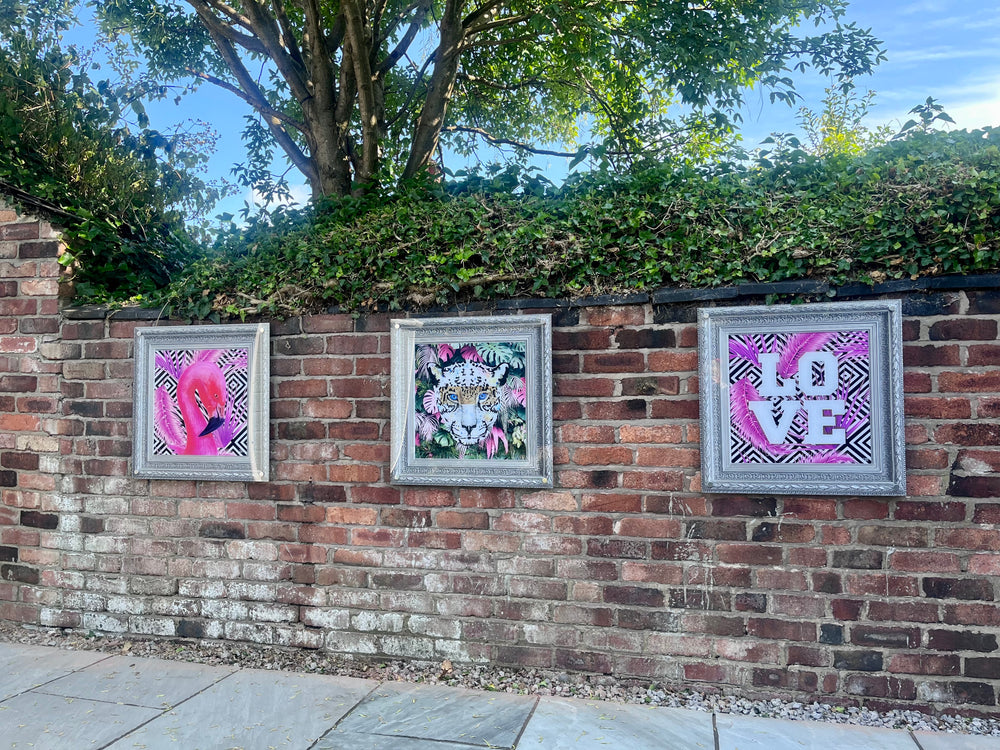
For botanical outdoor wall art, premium outdoor-grade acrylic offers a particularly strong balance of looks and performance. It allows colour and detail to stay crisp, while also being built for the realities of exterior display. UV resistance helps prevent fading in bright conditions. Water resistance matters when rain is unavoidable. A smooth, durable finish also keeps the artwork looking polished rather than tired.
This is where purpose-made outdoor art stands apart from products adapted from indoor décor. The issue is not just whether something survives outside for a while. It is whether it keeps its colour depth, surface quality and design impact through changing seasons. If the goal is to elevate an exterior wall, the artwork needs to perform as confidently as it styles.
There is a trade-off to acknowledge here. Better materials can sit at a higher price point than mass-market decorative pieces. But for buyers who care about finish and longevity, that investment usually makes more sense than replacing faded or damaged artwork a year later.
Botanical outdoor wall art for different garden styles
A modern garden often benefits from restraint. Large-scale leaf forms, simplified florals and balanced compositions work well against rendered walls, porcelain paving and structured planting. The artwork becomes part of the architecture, adding warmth without interrupting the clean lines.
In a more relaxed or eclectic garden, botanical pieces can be more expressive. Layered florals, bohemian influences and richer palettes help the space feel collected and personal. This approach suits patios with textured planters, mixed seating and a slightly more decorative atmosphere.
For compact urban gardens, botanical art can do more than decorate. It can create a sense of depth where planting space is limited. If you cannot fill every corner with greenery, artwork that references nature keeps the space feeling lush and intentional.
Traditional exteriors call for a slightly different eye. Here, botanical designs with softer tones or heritage-inspired illustration can feel more in keeping than anything too sharp or high-contrast. The aim is not to mimic the garden exactly, but to complement its character.
Styling with confidence, not clutter
One of the easiest mistakes with outdoor décor is adding too many competing features. Artwork should lift the space, not crowd it. If your wall already has climbing plants, lighting and shelving, a quieter botanical piece may be the better choice. If the wall is plain and uninterrupted, bolder art can carry more weight.
Think in layers. Planting provides movement and seasonality. Furniture gives structure. Textiles add comfort. Wall art delivers the visual finish that ties those elements together. When each layer has a clear role, the space feels designed rather than busy.
It is also worth considering what the artwork looks like from inside the house. A well-placed botanical piece can improve the view from the kitchen, dining room or conservatory just as much as it enhances the garden itself. That makes it a decorative choice with impact year-round, not only when you are outside using the space.
Practical benefits that make the difference
A beautiful design may catch attention first, but ease matters when it comes to buying and living with outdoor art. Homeowners want something that installs simply, holds up well and does not become another maintenance job.
That is why well-made botanical wall art designed for exterior conditions is so appealing. It offers the decorative effect of interior artwork, but with the reassurance needed for outdoor living. You can place it on a garden wall, patio backdrop or fence panel and expect it to keep its presence through changing weather, rather than needing constant protection or seasonal storage.
For buyers investing in a garden refresh, this reliability removes a common point of hesitation. The artwork is not just attractive on arrival. It is built to stay that way. That confidence is a big part of what makes premium outdoor art feel worthwhile.
At YARDART UK, that balance between style and performance sits at the centre of the category. Outdoor spaces deserve artwork made for outdoor life, not compromises borrowed from indoors.
Making the final choice
If you are choosing botanical outdoor wall art, start with the wall you most want to improve. Is it visible from the house? Does it sit behind a seating area? Is it the one surface making the whole garden feel unfinished? Once you know where the piece needs to work, selecting the right scale, palette and mood becomes much easier.
Go for artwork that feels connected to your space, not merely fashionable. The best botanical pieces bring nature into sharper focus. They add colour where a wall feels dead, structure where a garden feels loose, and personality where an outdoor area feels anonymous.
When the material is right and the styling is intentional, botanical wall art does more than decorate. It gives the garden a stronger point of view - and that is often the detail that makes the whole space feel complete.


Leave a comment