

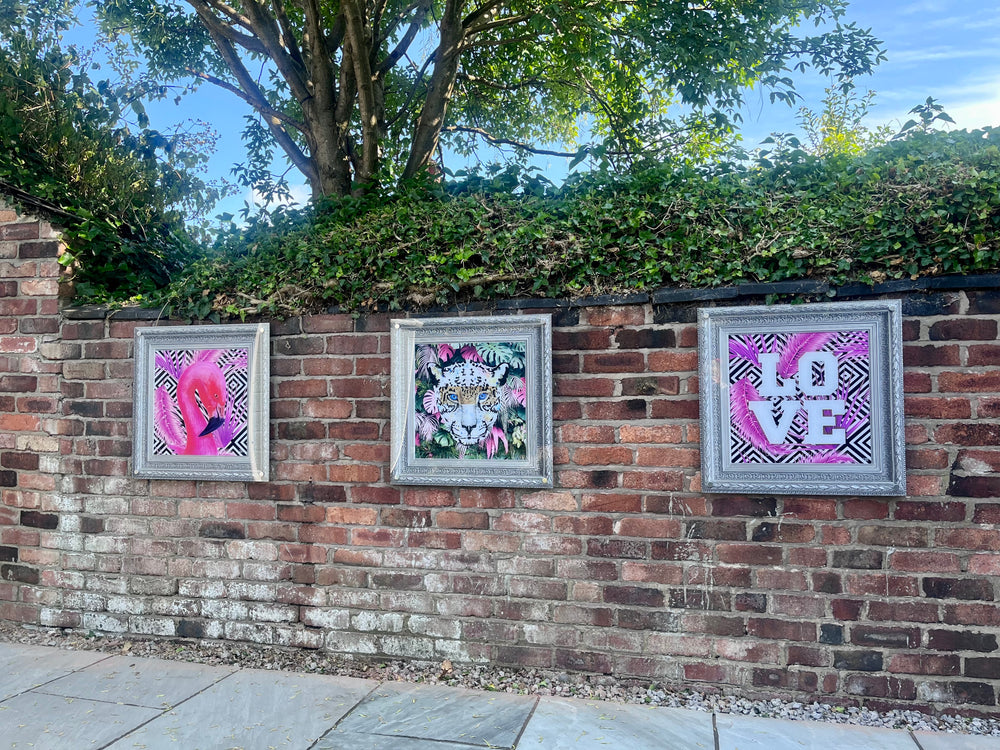
Can Outdoor Prints Fade? What Protects Them
A sunlit garden wall is a brilliant place for colour, but it is also where ordinary artwork is put under the greatest pressure. So, can outdoor prints fade? Yes, they can - particularly when a print was made for indoor display, uses less stable inks or is exposed to intense sunlight without proper UV protection. The better question is whether your chosen piece has been engineered to resist that fading for years of outdoor enjoyment.
Outdoor wall art should make a patio, courtyard or fence feel as considered as the rooms inside your home. That only works if the artwork keeps its depth, contrast and character through changing seasons. Understanding what causes fading makes it far easier to choose with confidence.
Can outdoor prints fade in direct sunlight?
Direct sunlight is the main cause of fading. Ultraviolet light gradually breaks down the colourants in printed artwork, especially reds, yellows and some vivid blues. The effect is rarely dramatic overnight. Instead, colours can lose their richness slowly until a once-striking image looks pale, flat or uneven beside areas that were shaded.
How quickly this happens depends on the aspect of your wall. A south-facing garden wall in the UK receives prolonged, powerful exposure through spring and summer. A sheltered courtyard may be easier on a print, while a bright, open terrace with reflected light from paving, glass or water can be surprisingly demanding. Altitude, local weather and the strength of the sun during holidays abroad can all increase the challenge too.
Rain does not usually fade a well-made outdoor print by itself, but moisture can compound other problems. If water reaches vulnerable layers, it may affect the surface finish, encourage lifting at edges or leave marks that make colours appear less clear. Heat and cold then cause materials to expand and contract, which is another reason an indoor canvas or poster is not a sensible substitute for purpose-made exterior art.
Why some garden prints keep their colour better
Fade resistance is not one feature. It comes from a combination of the printing method, inks, protective finish and base material. A high-quality outdoor piece is designed as a complete system, rather than being an interior print simply placed outside.
UV-resistant inks are a key starting point. These are formulated to withstand sunlight more effectively than standard decorative inks, helping colours remain truer over extended display. Protective coatings or laminates can add another barrier between the printed image and UV light, rain, dirt and everyday garden splashes.
The panel beneath the artwork matters just as much. Outdoor-grade acrylic offers a polished, contemporary finish and is well suited to exterior use when paired with the right print technology. It does not absorb water like paper or untreated timber, helping the artwork maintain its clean appearance in damp conditions. The result is a piece that feels intentional on an exterior wall rather than temporary seasonal decoration.
That said, no printed surface should be described as entirely immune to time. Years of relentless direct sun will affect almost any material eventually. The difference lies in the rate of change. Premium outdoor wall art is made to slow fading substantially, so the image continues to look vivid and refined rather than becoming a short-lived garden purchase.
The difference between fade-resistant and fade-proof
These terms are often used as though they mean the same thing, but they do not. Fade-resistant means a product has been created to withstand colour loss better than standard alternatives. Fade-proof suggests that no amount of sunlight or weather will ever alter its appearance, which is not a realistic promise for a printed product displayed outdoors year after year.
For homeowners, that distinction is useful rather than discouraging. It helps you look beyond broad claims and focus on the details that genuinely protect your investment: outdoor-specific inks, UV resistance, water resistance, durable panel construction and clear care advice. A well-specified print can bring lasting impact to the garden, provided it is treated as quality exterior décor.
Where to place outdoor art for lasting colour
You do not need to hide artwork from the sun to enjoy it outdoors. In fact, a bright wall can be exactly where a bold botanical, abstract or vintage design transforms the atmosphere. Placement is simply about balancing the visual effect you want with the level of exposure the artwork will receive.
A covered patio, pergola wall or partially shaded seating area offers a little more protection while still making the art part of the view. These settings are especially good for highly saturated designs, dark backgrounds and detailed photographic styles, where retaining tonal depth makes a real difference.
On a fully exposed wall, choose an outdoor-rated print and install it securely with a small clearance from the surface where the fitting system allows. This supports drainage and airflow behind the panel, rather than allowing moisture to sit unnoticed against the wall. Avoid areas directly beneath a dripping gutter, beside a sprinkler head or where repeated contact from furniture and tools is likely.
If your garden receives strong all-day sun, consider the design itself. Softer neutrals and pale botanical forms may show gradual change less noticeably than dense, inky blacks or very bright colour blocks. This is not a reason to avoid statement art. It is simply a way to select a piece that will continue to suit its setting beautifully over time.
Simple care that helps outdoor prints look their best
Outdoor art is low-maintenance, not no-maintenance. A little regular attention preserves the crisp, gallery-like finish that makes a piece feel special. Every few months, gently remove surface dust, pollen and garden residue with a soft cloth and clean water. For more persistent marks, use a mild soap solution and wipe without scrubbing aggressively.
Avoid abrasive pads, harsh household cleaners, solvents and pressure washers. These can dull a protective surface or damage the printed finish more quickly than the weather itself. If you are undertaking exterior painting, fencing work or a particularly dusty garden project, it is sensible to cover or temporarily remove the artwork until the work is complete.
Check fixings periodically, particularly after winter storms. The artwork may still look perfect, but secure installation protects both the piece and the wall behind it. This is also a good moment to clear leaves, spider webs or soil splashes from the edges, keeping the display as polished as your outdoor entertaining space.
When should you replace a faded outdoor print?
Replacement is not usually about a small, natural softening in colour after years outdoors. It is time to reconsider a piece when fading becomes patchy, contrast has visibly disappeared, the finish looks worn or the design no longer gives the wall the impact you intended. A garden is allowed to evolve, and a new artwork can be one of the quickest ways to refresh a tired exterior.
For a higher chance of long-lasting colour from the outset, buy artwork made specifically for exterior display. YARDART UK creates weatherproof outdoor wall art on outdoor-grade acrylic, bringing design-led imagery together with UV and water resistance for walls that deserve more than an indoor print moved outside.
Your garden does not have to choose between style and practicality. Select an outdoor print with the right materials, give it a considered position and a little care, then let its colour do what it should: make the space feel finished, personal and ready to enjoy in every season.


Leave a comment