

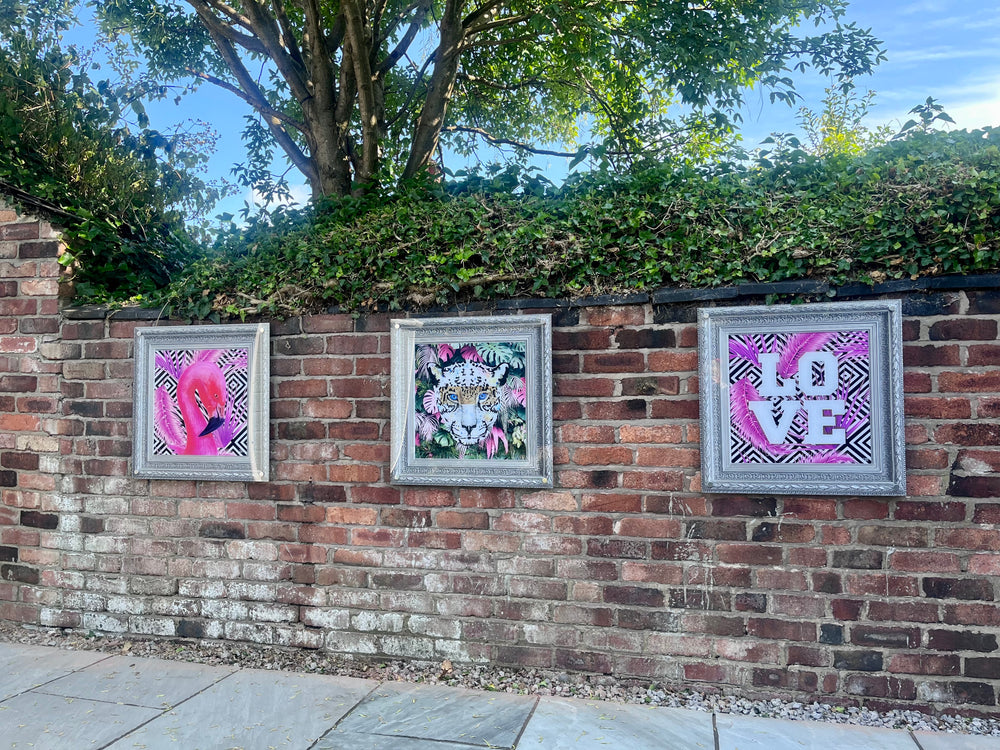
Courtyard Art Styles for Beautiful Garden Walls
A courtyard can have beautiful paving, carefully chosen planting and comfortable seating, yet still feel unfinished when its walls are left bare. The most effective courtyard art styles treat those vertical surfaces as part of the design, bringing colour, character and a clear sense of purpose to an outdoor room.
Unlike a large open garden, a courtyard is experienced at close range. Every finish is more visible, every viewpoint matters, and one well-chosen artwork can change the atmosphere more dramatically than another planter ever could. The right piece gives the eye somewhere to land, ties materials together and makes the space feel designed rather than simply furnished.
Start with the mood you want to create
Before choosing a subject or colour palette, decide how you want the courtyard to feel when you step outside. This is more useful than trying to match every cushion, pot and flower. Courtyards tend to work best when they have a strong mood rather than several competing ideas.
For a calm, contemporary setting, abstract art is a natural fit. Soft layers, gestural marks and tonal colour fields bring movement to rendered walls, slatted screening and pale stone without making a compact space feel busy. Choose shades that echo elements already present, such as sage planting, warm timber or charcoal furniture, then let the artwork provide a little contrast.
If your courtyard is designed for long lunches, evening drinks and sociable weekends, bolder modern art can establish a more energetic focal point. Strong geometry, expressive colour and graphic composition look especially effective against simple architectural backdrops. The trade-off is that high-impact art needs a little breathing room. Let it lead the wall rather than surrounding it with lots of smaller accessories.
Vintage-inspired pieces bring warmth and familiarity to brick courtyards, weathered timber and traditional garden planting. They are particularly good at softening hard landscaping, creating a space with the ease of a well-loved garden room. A vintage look does not have to mean muted. Faded botanicals, transport imagery and nostalgic graphic art can all add depth while keeping the mood relaxed.
Courtyard art styles that suit different settings
Botanical art for a layered garden feel
Botanical artwork is often the easiest place to start because it connects the built structure of a courtyard with living planting. It works beautifully where greenery is just emerging or where mature foliage already frames the view. Large leaves, florals and painterly garden scenes can make a small paved area feel more enclosed, generous and alive.
The key is variation. If the wall sits directly behind dense climbers or a planting border, choose a botanical design with a contrasting background or larger-scale forms, so it remains visible. On a plain wall with minimal planting, a richly detailed botanical piece can supply the lushness the scheme is missing.
Abstract art for a contemporary courtyard
Abstract courtyard art styles are ideal when you want a refined outdoor space without a literal theme. They can pull together several materials - limestone, porcelain paving, timber, black-framed doors and woven furniture - through colour and shape alone.
Look at the view from your main seating position. An abstract design with a clear central movement or broad blocks of colour will read well from a distance and still reward a closer look. In narrow courtyards, horizontal compositions can visually widen a wall. For taller, enclosed spaces, a vertical piece can draw the eye upwards and counter the feeling of being boxed in.
Street art for instant personality
Street-art-inspired work brings edge, humour and confidence to outdoor entertaining spaces. It can be the right choice for a courtyard that feels too polished or too predictable, particularly alongside industrial brick, concrete planters and contemporary furniture.
This style is most successful when it is intentional. One large, expressive artwork makes a statement; several unrelated graphic pieces can make a compact courtyard feel cluttered. Repeat one or two colours from the artwork in cushions, a painted bench or planting pots to make the result feel curated.
Boho and equine styles for character-led spaces
Boho-inspired art suits courtyards built around texture and relaxed comfort: woven seating, terracotta, natural timber, patterned textiles and abundant planting. It creates an easy-going, collected look, but it still benefits from restraint. Pick one strong visual anchor rather than combining too many patterns in a small footprint.
Equine artwork has a different kind of presence. Elegant, spirited and often beautifully detailed, it can bring an individual point of view to country gardens, converted properties and classic exterior schemes. A single equine image on a sheltered courtyard wall can feel as considered as artwork in a hallway, especially when paired with traditional pots or clipped greenery.
Get the scale right before choosing the design
The most common courtyard art mistake is choosing a piece that is too small for the wall. Outdoor walls are usually seen from farther away than interior walls, and open air gives surrounding surfaces more visual weight. A modest print that would work above a console indoors can disappear completely outside.
As a starting point, allow the artwork to occupy roughly half to two-thirds of the available wall width when it is the main focal point. It does not need to fill the space, but it should be large enough to hold its own against doors, furniture and planting. For a long wall, one substantial landscape-format piece often looks more assured than a scattering of small items.
Placement matters just as much. Hang art at a height that relates to how the courtyard is used. Above a dining set, it should sit comfortably above the chair backs. Behind a lounge area, position it so the composition can be enjoyed while seated. Avoid placing a statement piece where tall planting will obscure it by midsummer unless that soft, partially revealed look is part of the plan.
Build the palette from what will remain all year
Garden colour changes constantly. Roses bloom, grasses fade, and seasonal cushions come and go. Your artwork should therefore relate first to the elements that stay put: wall colour, paving, fencing, brickwork and furniture frames.
A warm terracotta courtyard can support ochre, rust, dusty pink and deep green. Grey paving and black joinery suit cooler tones, from inky blue to stone, white and soft sage. Brick gives you more flexibility than many people expect, working equally well with botanical greens, bold graphic colour or monochrome imagery.
You do not need an exact match. In fact, a piece that repeats every shade too precisely can look flat. Aim for a connection instead: perhaps one shared accent colour, a similar warmth in the tones, or a subject that echoes the planting. The artwork should make the scheme feel more complete, not disappear into it.
Choose art made for outdoor living
Courtyard conditions are demanding. Walls may face strong sunlight, wind-driven rain, damp air, splashes from pots and sudden temperature changes. A piece intended for an interior room is unlikely to keep its finish, colour and impact when exposed to those conditions.
For a lasting result, choose outdoor wall art made from weatherproof materials, with UV resistance to help protect colour and a water-resistant surface that can cope with real garden weather. Outdoor-grade acrylic artwork is a particularly polished option: it has a clean, contemporary finish, strong colour depth and the durability needed for exterior display.
Consider the wall itself, too. Smooth rendered walls offer a crisp backdrop for almost any style, while old brick and textured stone may need more thoughtful positioning to achieve a secure, level installation. Measure carefully before ordering and leave enough clear space around the artwork for the design to register from every main viewpoint.
Let one wall do more than one job
The best courtyard artwork does more than decorate a blank surface. It can define the dining zone, make a sheltered corner feel purposeful, draw attention away from an overlooked boundary or create a view from inside the house. This is why exterior art is so effective in smaller spaces: it adds visual depth without taking up valuable floor space.
YARDART UK designs outdoor wall art for exactly this kind of transformation, pairing design-led imagery with a finish made to perform beyond the back door. Whether your courtyard calls for botanical calm, contemporary abstraction or something with more graphic energy, choose the piece that makes you want to look outside more often. That is usually the one that belongs there.


Leave a comment