Creating the Perfect BBQ Area for Entertaining
A good barbecue area is rarely about the barbecue alone. The spaces people remember are the ones that feel easy to use, comfortable to sit in and considered from every angle. When creating the perfect BBQ area for entertaining, the real goal is to design a setting that works hard in practical terms while still looking like an extension of your home.
That balance matters more than most people expect. A grill tucked into a corner with two folding chairs may cover the basics, but it will not create the kind of atmosphere that keeps guests lingering over another drink or staying outside after the food has been served. If you want your garden to host properly, the area needs structure, flow and visual confidence.
What creating the perfect BBQ area for entertaining really means
The best outdoor entertaining spaces are designed around movement. Someone needs to cook without feeling shut away. Guests need somewhere to gather that does not block access to the grill. Food, drinks, serving platters and cushions all need a logical place to go. If the layout ignores those details, even a beautiful setup starts to feel awkward once people arrive.
Start by thinking in zones rather than individual items. One zone is for cooking, one for dining and one for relaxed conversation. In a compact garden, these zones may overlap, but the principle still helps. It stops the barbecue area from becoming one crowded patch of furniture and equipment competing for space.
It also helps to decide what kind of entertaining you actually do. If you host big family lunches, you will need more dining space and stronger circulation around the table. If your gatherings tend to be evening drinks with a smaller group, you may want softer seating, warmer lighting and a more lounge-like arrangement. There is no single perfect formula. The right answer depends on how you live outdoors.
Begin with layout, not accessories
Many people choose a grill first and build around it later. That can work, but it often leads to a space that feels squeezed or unbalanced. A better approach is to stand in the garden and map out how the area should function before buying anything substantial.
Leave enough room around the barbecue for safe cooking and easy movement. Nobody wants guests brushing past hot surfaces with plates in hand. If possible, position the grill close enough to the house for convenience but not so close that smoke drifts straight through open doors. Nearby worktop space makes a huge difference too. Even a slim prep surface for marinades, serving boards or a drinks bucket makes the whole setup feel more polished.
Dining furniture should sit within easy reach of the cooking area without being pressed against it. That distance is a small detail, but it shapes the mood. Too close and the area feels cramped. Too far and the host is constantly walking back and forth instead of enjoying the occasion.
If your garden is narrow or awkwardly shaped, built-in features are not always the answer. Flexible furniture can be more useful, especially if you entertain in different ways across the season. A bench that tucks neatly against a wall, a compact table with generous seating, or stools that double as side tables often outperform bulkier options.
Choose materials that can handle real outdoor life
A barbecue area gets more wear than other parts of the garden. Heat, grease, spills and changing weather all put materials to the test, so surfaces need to look good and last.
Porcelain paving, treated timber, stone and quality outdoor composite finishes all have their place. The best choice depends on your style and maintenance tolerance. Natural stone has character, but it may need more care. Porcelain is cleaner and easier to live with, especially in entertaining areas where food and drink are involved.
Soft furnishings matter as well. Outdoor cushions and upholstery should be chosen for durability, not just appearance. If fabrics cannot cope with light showers, sun exposure and repeated use, they quickly make the whole area feel tired. The same rule applies to decorative pieces. Outdoor styling should be made for the outdoors, not borrowed from inside and hoped for the best.
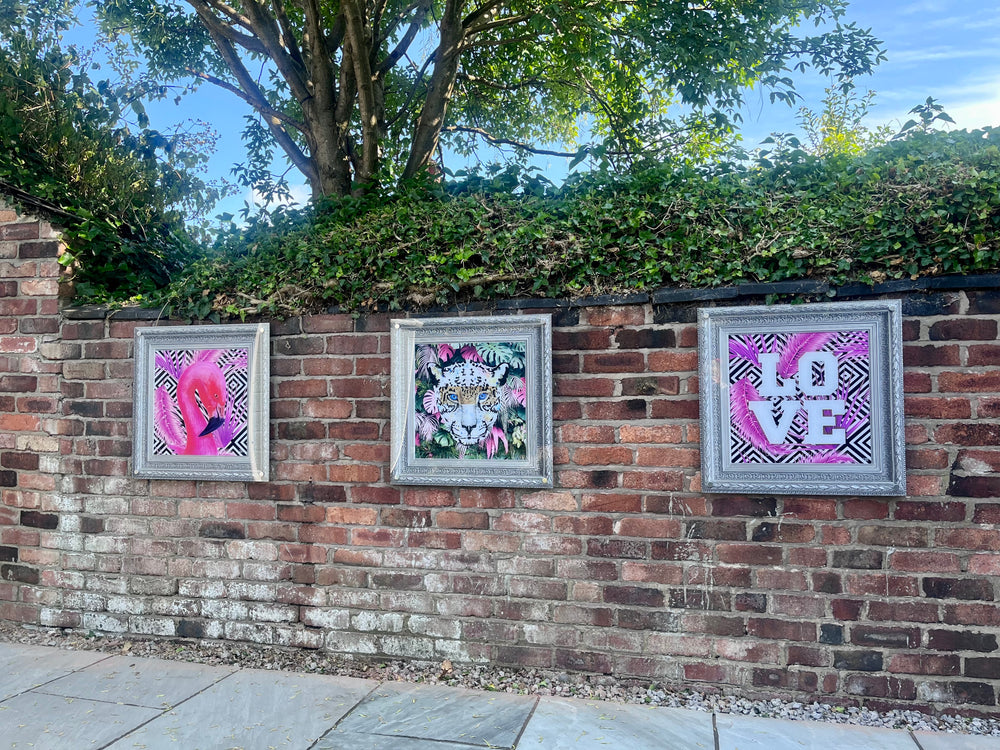
This is where weatherproof wall art can shift a space from functional to finished. Exterior walls, fences and courtyard boundaries often become the forgotten backdrop to an otherwise well-planned entertaining area. Adding artwork designed specifically for outdoor use gives the space a focal point and introduces personality in a way plants alone sometimes cannot. It is especially effective where the barbecue area needs visual warmth but floor space is limited.
Style the space as carefully as an indoor room
A successful barbecue area should not feel like a collection of practical purchases left outside. It should feel designed. That means thinking about palette, texture and visual rhythm in the same way you would in a kitchen or dining room.
Choose a direction and stay consistent. A modern scheme might pair dark framing, pale stone, clean-lined furniture and abstract outdoor artwork. A softer, more relaxed garden may suit botanical prints, warm timber, woven textures and muted greens. Eclectic spaces can work beautifully too, but they still need a thread connecting the elements, whether that is colour, shape or material.
Walls are often the missing piece. In many gardens, fences and rendered surfaces take up a huge amount of visual space, yet they are left blank. That can make even expensive furniture look temporary. Treating those surfaces as part of the design adds depth and gives guests something to respond to beyond the table setting. A well-placed piece of outdoor art can anchor the dining zone, frame the barbecue station or soften a long boundary wall that otherwise feels flat.
If you want the area to feel elevated rather than busy, edit carefully. Too many small accessories can make an outdoor setup look fragmented. Fewer, larger pieces usually create more impact and are easier to maintain.
Lighting is what keeps the evening going
The difference between a daytime barbecue setup and a true entertaining space usually comes down to lighting. Once the food is served, people settle in. If the lighting is harsh, dim or badly positioned, the atmosphere disappears.
Layering works best. Functional light near the grill is essential for safety and cooking, but it should not be the only source. Ambient lighting around seating and dining areas creates warmth and encourages people to stay outside longer. Wall-mounted fittings, soft festoon lights, lanterns and low-level garden lighting can all play a role.
Think about where light lands, not just where the fittings sit. Highlighting texture on a wall, washing light over artwork or giving subtle definition to a seating corner can make the garden feel far more curated after dark. This is one of the simplest ways to make the space feel intentional rather than purely practical.
Comfort is what makes guests stay
A barbecue area can look superb in photos and still fail in real life if it is uncomfortable. Seating is the obvious starting point, but comfort is broader than that. Shade, shelter and temperature all shape how long people want to stay outside.
If your garden gets strong afternoon sun, a pergola, parasol or sail shade can make summer entertaining much more pleasant. In the UK, shelter from a passing shower is just as valuable. Even partial overhead cover can save a gathering from being cut short. For cooler evenings, a fire pit or outdoor heater helps, though the right choice depends on your space and how open it is.
Small conveniences matter too. Side tables for glasses, storage for blankets, hooks for aprons or utensils, and a nearby spot for rubbish and recycling all reduce friction. Guests may not notice these details consciously, but they notice the ease of the experience.
Creating the perfect BBQ area for entertaining in smaller gardens
A smaller garden does not rule out a strong entertaining setup. It simply demands sharper decisions. Prioritise one clear focal point, keep the furniture scale appropriate and use vertical surfaces well.
Wall-mounted styling becomes particularly valuable here because it adds impact without taking up floor area. A statement artwork panel, clever lighting and a narrow bench can transform a compact patio into a space that feels finished rather than compromised. Foldable or stackable seating can help when numbers vary, and a built-in bench often earns its footprint better than multiple loose chairs.
Try not to overcrowd the area in the name of usefulness. A smaller space usually feels more luxurious when it has a little breathing room. People would rather sit somewhere compact and comfortable than squeeze into a patio packed with too many features.
The best barbecue areas do not rely on size or expensive extras. They work because every choice supports the way people gather, eat and relax outdoors. Get the layout right, choose materials with staying power, and style the space with the same confidence you would bring indoors. When the garden feels considered from the walls outward, entertaining becomes far less of an effort and far more of a pleasure.


Leave a comment