
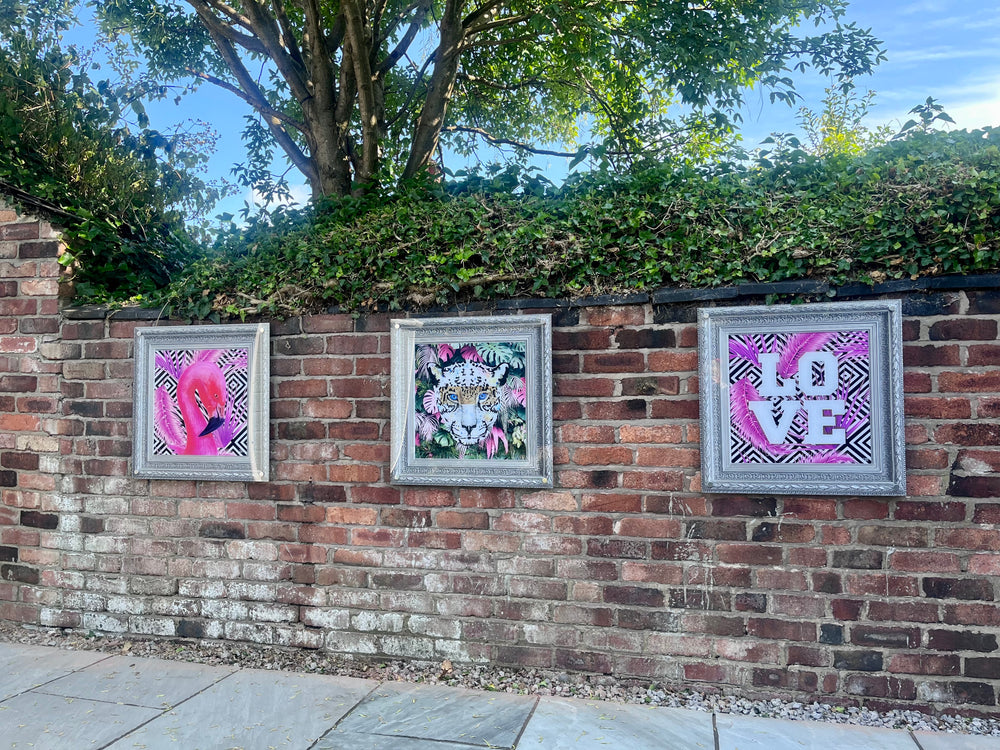
How to Design Me a Garden Dining Area
The best garden dining areas do not happen because a table fits on the patio. They work because every choice around that table supports the way you actually eat, host and relax outdoors. If you have found yourself thinking, design me a garden dining area, what you usually want is not just furniture placement. You want a space that feels considered, comfortable and good-looking from every angle.
That starts with treating the dining zone as part of your home’s overall design, not a leftover patch of paving. The same rules that make an interior room feel polished apply outside as well - proportion, flow, lighting, texture and a clear focal point all matter. The difference is that in the garden, weather and seasonality have a say too.
Design me a garden dining area that people want to use
A successful dining area earns its place by being easy to use on an ordinary Tuesday, not just for summer parties. Before you choose a table shape or a set of cushions, look at how the space behaves through the day. Where does the sun hit at lunch? Which corner catches the evening breeze? Is the route from the kitchen direct enough that carrying plates feels easy rather than awkward?
If the dining space is too exposed, too cramped or too detached from the house, it will often look lovely and sit empty. That is the first trade-off to get right. The most picturesque corner of the garden is not always the most practical place to dine. Sometimes the better decision is to position the table closer to the house for convenience, then use planting, screens or art to make it feel more immersive.
Scale matters just as much. A compact courtyard benefits from a round table and visually lighter chairs, while a wide patio can handle a rectangular table with more presence. Leave enough room to pull chairs out comfortably and move around with trays or drinks. If everything feels squeezed, the whole area will read as temporary rather than designed.
Start with layout before styling
Outdoor dining areas usually work best when they have a simple spatial logic. Think in zones. The table is the main function, but it also needs support around it. That may include a serving surface, a place for lanterns, a wall that anchors the space, or a nearby seating spot for pre-dinner drinks.
In many gardens, the easiest way to create cohesion is to define the dining area visually rather than physically building a whole new section. A change in paving can help, but so can a pergola, an outdoor rug suitable for the conditions, planters framing the edges, or a strong piece of weatherproof wall art that tells the eye where the room begins.
Walls and fences are often underused here. Yet they are what turn a garden dining setup into an outdoor room. A blank wall behind a table can make the whole area feel unfinished, while a well-placed artwork introduces colour, scale and personality in seconds. It also helps the space hold its own when flowers are not at their peak.
Think about the view from the table
People spend most of the meal seated, so the seated view should lead your decisions. Looking out to a lawn or border is lovely, but looking straight at a bare fence or a cluttered utility corner is less so. If your best available dining spot lacks a natural focal point, create one.
This is where decorative layering matters. Outdoor wall art, climbing plants, painted fencing and soft lighting can transform an ordinary boundary into part of the experience. The goal is not to overfill the space. It is to give the eye something intentional to land on.
Choose materials that can cope with real weather
Garden dining areas have to look good after rain, bright sun and long spells of being ignored in January. That is why material choice should be practical first and stylish second, though the best spaces manage both.
Hardwearing tabletops, easy-care seating and weatherproof decorative elements remove a lot of friction. If a surface marks easily or a decorative piece fades after one season, it starts to undermine the whole scheme. This is especially true if you are investing in statement styling rather than basic utility.
There is also a balance to strike between softness and resilience. Textiles add comfort, but in the British climate they need to be easy to bring in, wipe down or replace. Permanent features such as planters, lighting, wall decor and the main furniture pieces should do the heavy lifting visually. That way the space still looks finished even when cushions are stored away.
Why wall decor makes such a difference
A dining table on a patio can feel exposed unless something grounds it. Outdoor wall art does that quickly and elegantly. It adds depth to fences, brickwork and rendered walls, and it helps connect the dining zone to the wider style of your home.
The useful thing is that art also fills a seasonal gap. Planting changes, containers empty out and borders recede, but a weatherproof artwork keeps the space looking dressed. For households that entertain outdoors, this consistency matters. It stops the area from feeling like it only exists for a few sunny weeks.
Shade, shelter and light decide how long you use it
Most people focus on furniture first, then realise later that the dining area is too hot at lunchtime or too dim by 8pm. In reality, comfort controls how often the space gets used.
Shade can come from a pergola, parasol, sail or mature planting. The right option depends on flexibility and exposure. A parasol is simple and works well for smaller setups, but it can feel visually temporary in a more designed garden. A pergola gives stronger structure and makes the area feel architectural, though it needs enough space around it to breathe.
Shelter is slightly different from shade. If your garden catches wind, think about screening and orientation. A dining table placed where everyone feels a chill as the sun drops will not earn much loyalty. Trellis, planting, slatted screening or a wall can all help without making the space feel boxed in.
Lighting should support both function and atmosphere. You need enough illumination to serve food and move safely, but not so much that the area feels stark. Wall lights, festoon lighting and portable lamps can all work, but the strongest schemes layer light rather than rely on one source. A softly lit artwork or feature wall can be especially effective in the evening because it gives the dining area depth after dark.
Style the space like an outdoor room
The difference between a basic setup and a memorable one is usually editing. Too many competing finishes make a garden dining area feel busy, while too little contrast can make it flat. Aim for a clear style direction, then repeat it with restraint.
If your home leans contemporary, keep lines cleaner and let the statement come from scale, monochrome tones or bold abstract art. If you prefer a softer, more relaxed look, botanical prints, warm neutrals, textured planters and natural timber can create that mood without slipping into clutter. Eclectic gardens can carry more pattern and colour, but they still need one or two elements to unify the scheme.
Artwork is particularly useful here because it can bridge styles. It can pick up planting colours, echo interior palettes seen through the doors, or introduce a deliberate contrast that sharpens the whole setting. That is one reason style-conscious homeowners use outdoor art so effectively - it makes the dining area feel curated, not improvised.
Design me a garden dining area for small spaces
Smaller gardens and courtyards need the same level of intention, just with tighter editing. In a compact space, every element is more visible, so visual clutter builds quickly. Choose fewer pieces with more impact.
A wall-mounted focal point is often more effective than adding extra freestanding decor, because it uses vertical space without narrowing the footprint. Folding or stackable seating can help if the area serves more than one purpose. Mirrors are usually suggested for small outdoor spaces, but they are not always the best choice if they reflect mess or harsh light. A striking weatherproof artwork often gives a cleaner, more confident result.
Make it personal, not just presentable
A polished garden dining area should still feel like yours. That might mean a vintage-style print that softens new paving, a bold contemporary piece that brings energy to a neutral patio, or a botanical artwork that ties the dining area to the planting around it. The point is not simply to decorate. It is to create a setting with character.
This is where investing in durable statement details pays off. Outdoor spaces are often treated as temporary from a design point of view, filled with bits that will do for now. But when you choose weather-resistant pieces made specifically for outdoor living, the effect is different. The garden starts to feel finished, not improvised.
YARDART UK built its approach around that exact idea: exterior spaces deserve the same visual attention as interiors, with materials that are made to perform outdoors rather than merely survive there.
When you stop asking how to squeeze a table outside and start asking how the whole space should feel, better choices follow. Build around comfort, anchor the area visually, and give the eye something beautiful to settle on. That is when garden dining stops being seasonal furniture on a patio and becomes part of how you live at home.


Leave a comment