
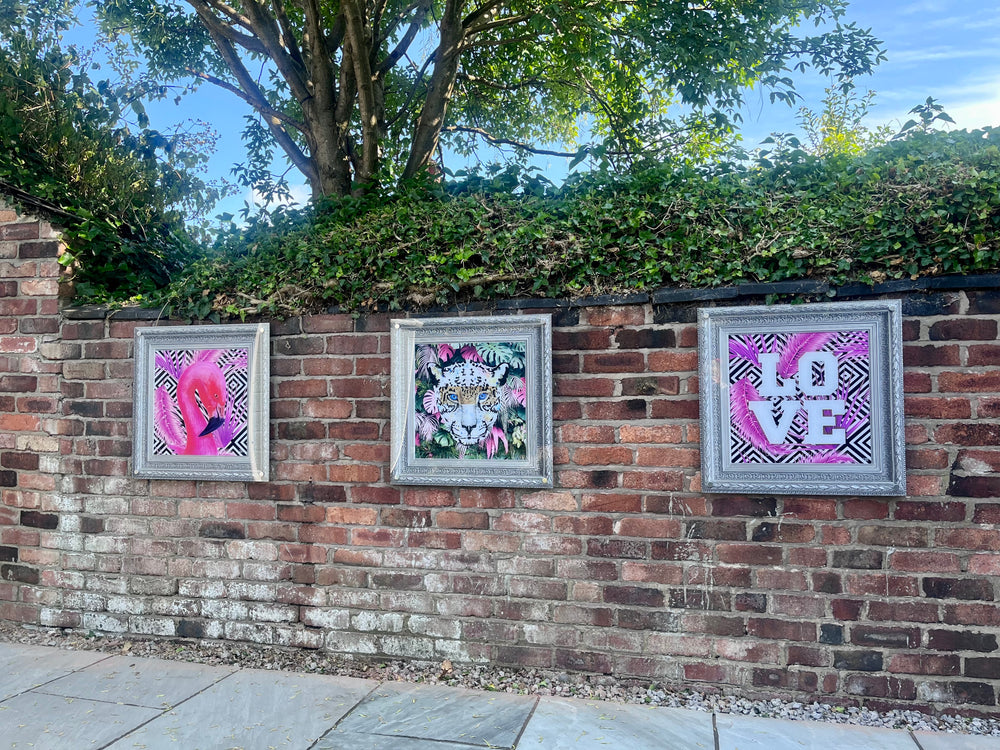
Designing the Perfect Garden Hideaway
A great garden hideaway is never just a chair tucked behind a shrub. When designing the perfect garden hideaway, the difference is intention - how the space feels when you step into it, how it frames the view, and how every surface works a little harder to create calm, privacy and style.
The best hideaways feel slightly separate from the rest of the garden, even when they are only a few steps from the back door. That sense of escape comes from structure, not size. A compact courtyard can feel more luxurious than a sprawling lawn if it is layered well, while a large garden can still feel exposed if everything is left open and undefined.
What makes a garden hideaway feel complete?
A hideaway works when it offers three things at once: comfort, privacy and visual identity. Most outdoor spaces already have one of these. They might be comfortable because the seating is generous, or private because of fencing and planting. What is often missing is identity - the detail that gives the space a distinct mood and makes it feel designed rather than simply furnished.
That is where many gardens fall flat. The furniture may be practical, the paving may be tidy, but the overall result can still feel temporary. A hideaway needs a focal point, and in many gardens the vertical surfaces are the biggest missed opportunity. Exterior walls, fences and sheltered corners can do far more than mark boundaries. They can shape atmosphere, add personality and make the whole setting feel considered.
Designing the perfect garden hideaway starts with placement
Before choosing furniture or accessories, decide where the hideaway should sit. Some people naturally want the farthest corner of the garden, but distance is not always the point. If you plan to use the space for morning coffee, evening drinks or reading after work, convenience matters. A beautiful hidden nook at the very end of the garden can become something you admire from afar rather than use regularly.
Look for a spot with a natural advantage. It may be a section already screened by mature planting, a patio wall that catches the afternoon light, or a quiet side return with more privacy than expected. Listen as well as look. If one area picks up road noise or feels overlooked from neighbouring windows, it may never deliver the retreat you want.
Shelter matters too. Full sun sounds appealing until you try to sit there for an hour in midsummer. Equally, a damp and shaded corner can feel chilly for much of the year. The ideal spot usually has a balance of light and protection, with enough enclosure to feel intimate without becoming gloomy.
Work with the garden you have
Not every garden allows for a separate pavilion, pergola or dedicated room outdoors. That does not mean the hideaway has to be less effective. In smaller spaces, the trick is visual zoning. A change in flooring, a painted wall, a raised planter or a carefully placed bench can establish a distinct destination without closing the area in.
If your garden is narrow, avoid trying to squeeze too much into the width. A built-in bench along one side, paired with planting and one strong wall feature opposite, often feels cleaner and more spacious than a cluster of loose furniture. In wider gardens, a hideaway can sit slightly off-centre so the rest of the garden still breathes.
Create enclosure without making it feel boxed in
Privacy is essential, but heavy screening can quickly make an outdoor area feel cramped. The most successful hideaways use a mix of soft and hard elements. Planting gives movement and softness, while walls, fencing, trellis or slatted panels provide definition.
Layering is what stops the space feeling flat. A backdrop of evergreen structure, mid-height grasses or flowering plants, and one or two taller forms can make even a modest seating area feel immersive. If the boundaries are plain, decorative treatment becomes more important. Painted fencing, textured render or outdoor wall art can shift the mood from purely practical to styled.
This is particularly useful in modern gardens where planting is intentionally restrained. Clean lines can look striking, but without texture or focal detail they can also feel stark. Adding artwork designed for outdoor conditions introduces colour, pattern and presence without demanding more floor space.
Choose furniture for mood, not just function
A hideaway should invite you to stay. That sounds obvious, yet many outdoor schemes are built around what fits rather than what feels good. Start with how you want to use the space. Quiet reading, slow lunches, evening conversation and solo coffee all need slightly different seating and table arrangements.
Deep lounge seating creates a relaxed, cocooning feel, but it needs room around it. In compact spaces, a neat bistro set or a well-proportioned bench may work better. The key is avoiding furniture that looks temporary or undersized for the setting. A hideaway should feel settled.
Textiles make a major difference here. Outdoor cushions, throws stored nearby for cooler evenings, and a rug suitable for exterior use can soften hard landscaping and bring the comfort level closer to an interior room. Stick to a clear palette rather than too many competing tones. When the colours relate to surrounding planting and materials, the space feels calmer and more expensive.
Use walls as part of the design
This is often the step that turns a pleasant corner into a memorable one. Garden walls and fences are usually treated as background, yet they are some of the largest visual surfaces in the space. If left blank, they can make a hideaway feel unfinished. If overfilled, they can become cluttered.
The answer is one strong statement rather than lots of small distractions. A weatherproof art piece can anchor the seating area, add year-round interest and give the hideaway a defined style direction. Botanical artwork can echo surrounding planting without becoming literal, while abstract or modern pieces can sharpen a contemporary scheme. Vintage-inspired or boho designs can warm up more eclectic spaces.
This is also where performance matters. Outdoor decor has to cope with changing weather, strong light and moisture, especially in British gardens where the conditions can shift quickly. Choosing artwork made specifically for exterior display gives you the decorative impact without the frustration of fading, warping or seasonal deterioration. That blend of visual lift and practical durability is exactly why brands such as YARDART UK have found a clear place in outdoor design.
Scale changes everything
When styling a wall, go larger than your first instinct. Small pieces often disappear outdoors, especially against fencing, brick or render. A properly scaled artwork helps define the hideaway from a distance and creates a stronger sense of destination.
If the seating area is intimate, one central piece is usually enough. In a longer courtyard or larger entertaining zone, two coordinated works can help carry the eye across the space. The aim is balance, not symmetry for its own sake.
Lighting is what keeps the hideaway useful
Many garden spaces look their best at midday and lose all atmosphere by dusk. A hideaway should work beyond sunny weekends. Layered lighting extends the hours you can enjoy it and changes the mood completely.
Soft wall lighting, lanterns, subtle spike lights through planting or a warm table lamp made for outdoor use can all help. The trick is restraint. If every element glows, the space starts to feel staged. Focus on a few warm pools of light that make seating, pathways and feature walls easy to enjoy after dark.
Artwork also benefits from thoughtful lighting. Even a modest wash of warm light can make the wall feel intentional in the evening rather than vanishing into shadow.
Let the seasons shape the design
The perfect garden hideaway is not a summer-only idea. It should still look composed in early spring, high summer and the quieter months when planting is less generous. This is why structure matters more than flowers alone.
Evergreen planting, well-chosen materials and weatherproof decorative features keep the space attractive when the borders are resting. If you rely only on seasonal colour, the hideaway may feel underwhelming for half the year. A bench against a beautiful wall treatment, framed by dependable planting, still has presence in January.
There is also a practical side to seasonality. If your garden is exposed, choose pieces that are easy to maintain and simple to live with. Low-fuss finishes and durable outdoor art reduce the sense that the space must be constantly managed to look good.
Edit for calm
One of the biggest mistakes in designing the perfect garden hideaway is adding too much in the name of comfort. More pots, more lanterns, more accessories and more furniture do not automatically create atmosphere. They can just as easily create visual noise.
A hideaway should feel selective. Every piece should earn its place, whether through comfort, function or visual impact. If the planting is lush and layered, keep the accessories quieter. If the architecture is minimal, a bold artwork or rich textiles can do more of the expressive work.
The goal is not perfection in the polished-magazine sense. It is a space that feels private, beautiful and easy to use - a place you naturally drift towards because it gives something the rest of the garden does not.
When a garden hideaway is designed well, it changes how the whole outdoor space is experienced. You stop seeing the garden as something to look at and start using it as somewhere to live, even if only for ten quiet minutes with a cup of tea.


Leave a comment