
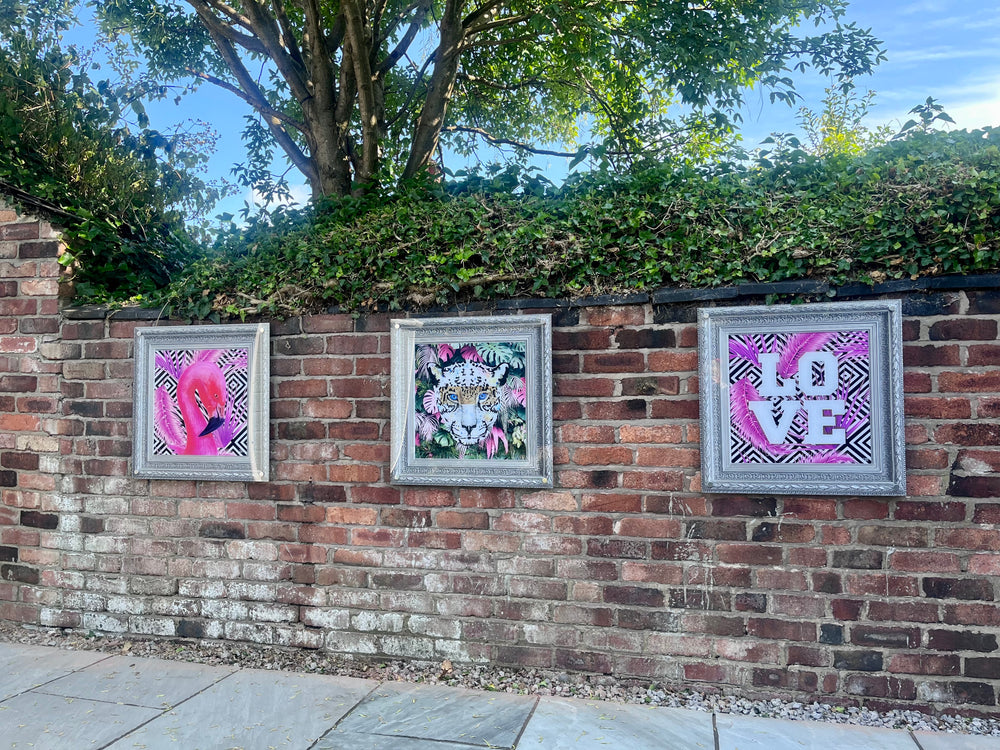
Dining Alfresco in Style at Home
A patio table and six chairs will give you somewhere to eat. It will not, on its own, create the feeling people actually remember. Dining alfresco in style is less about buying a matching set and more about shaping an outdoor space that feels intentional from every angle - comfortable, layered and visually finished.
The difference is usually in the backdrop. A well-dressed dining area outdoors needs more than furniture; it needs atmosphere, texture and a focal point that makes the space feel designed rather than assembled. When the walls, fencing or exterior surfaces around your table are treated with the same attention as your interiors, the whole setting changes.
What dining alfresco in style really looks like
Stylish outdoor dining is not always formal. In some gardens, it means a long table with relaxed seating, soft lighting and a view of planting that does half the decorating for you. In others, it is a compact courtyard with clean-lined furniture, a punchy wall piece and enough detail to make an ordinary supper feel like an occasion.
What matters is cohesion. If your cushions, tableware, planting, lighting and surrounding surfaces all speak the same design language, the space feels elevated. If every element competes, even expensive pieces can look disjointed.
This is where many outdoor dining areas fall short. People focus on the table surface, perhaps add a lantern or two, and leave the fence or wall behind completely blank. That empty visual field can make the whole area feel unfinished. Outdoor wall art helps anchor the space, adds personality and gives the eye somewhere to land, especially when the dining zone sits against brick, render, timber or a garden wall.
Start with the setting, not the accessories
Before adding decorative touches, look at the structure of the space. Ask where people will sit, what they will face and how the area will be used beyond meals. A spot used for quick weekday dinners needs something different from a weekend entertaining zone designed for long evenings and extra guests.
Scale matters more outdoors because open space can swallow detail. A small bistro set may suit a modest terrace, but if it is surrounded by wide fencing or a large exterior wall, the dining area can feel lost. In that case, one substantial visual feature behind the table creates balance far better than several tiny accessories scattered around.
Acrylic outdoor wall art is particularly effective here because it brings gloss, depth and colour without asking for delicate handling. It is made for exterior use, so you get decorative impact with practical reassurance. That matters when you are styling a British garden, where a warm afternoon can shift to rain before pudding.
Think about sightlines from the seat
One of the simplest upgrades is also one of the most overlooked. Sit where your guests would sit and look around. What do you actually see? A bin store, a tired fence panel, a blank section of wall, or an attractive composition that feels finished?
Dining spaces are experienced at eye level for long stretches of time. The surfaces around them should reward that attention. A striking abstract piece can sharpen a modern garden scheme. A botanical print can soften a paved courtyard. Vintage-inspired artwork can warm up more rustic settings and make them feel collected rather than purely functional.
Build the mood in layers
The best alfresco spaces do not rely on one feature doing all the work. They combine practical foundations with atmosphere. Furniture provides comfort, planting adds movement, lighting extends the evening, and art gives the setting identity.
This layered approach is what makes an outdoor dining area feel polished. You do not need to overfill the space, but each element should contribute something. A simple timber table can look significantly more refined when paired with textured linens, considered lighting and a bold artwork that frames the whole scene.
There is a trade-off, of course. Too many statement pieces can make a compact area feel busy. If your tableware is colourful and your planting is exuberant, a calmer art choice may create more balance. If the furniture is pared back and architectural, you have room to be bolder on the wall.
Lighting changes everything after sunset
If you entertain in the evening, lighting deserves as much attention as furniture. Harsh overhead light can flatten a beautifully styled dining area, while a soft combination of wall lighting, candles and discreet ambient glow makes the space feel inviting.
Light also affects how artwork is seen outdoors. Positioning art where it catches natural daylight by day and gentle illumination at night helps it continue to work after dark. That gives the dining zone a sense of permanence, rather than disappearing once the sun goes down.
Choose materials that can cope with real weather
Style is only convincing when it lasts. Outdoor dining areas suffer when decorative pieces fade, warp or deteriorate after a season. That is why material choice matters just as much as aesthetics.
When selecting finishes for an alfresco dining space, look for products designed specifically for exterior conditions. UV resistance helps maintain colour clarity. Water-resistant surfaces reduce maintenance worries. Easy installation is another plus, especially if you want to refresh a garden wall without turning the job into a full renovation.
This practical side should never be treated as separate from good design. The best outdoor spaces feel beautiful because they are composed with confidence, and that confidence often comes from knowing the pieces can cope with the environment. YARDART UK has built its collection around exactly that principle: art for outdoor living that is made to stay impressive in real conditions, not just in showroom weather.
Match your style, not someone else's trend
Dining alfresco in style should reflect the character of your home and garden, not a generic image of what outdoor living is supposed to look like. A contemporary extension with dark-framed doors may suit crisp monochrome artwork and sculptural planting. A softer cottage garden might benefit from botanical tones, warmer textures and artwork that complements natural colour rather than fighting it.
There is no single right answer, but there is usually a right answer for your space. If the architecture is already strong, support it. If the garden is plain, use art to introduce contrast and personality. If the area feels cold, warmer tones and layered surfaces can make it more welcoming.
A few common styling mistakes
One is treating the dining set as the whole design. Another is choosing items that are too small for the space. The third is ignoring vertical surfaces entirely. Exterior walls, fences and sheltered corners are valuable design opportunities, especially in gardens where floor space is limited.
Another mistake is chasing a look that does not fit your maintenance habits. If you want an easy-care setup, choose durable decorative pieces and keep styling relatively clean. If you enjoy seasonal updates, leave room to switch textiles and table details while keeping the permanent backdrop strong.
Make the space work on ordinary days
The most successful outdoor dining areas are not saved for special occasions. They are inviting enough for a midweek supper, morning coffee or takeaway on a Friday night. That is often the difference between a styled corner that photographs well and a genuinely useful outdoor room.
To reach that point, comfort matters. Shade, shelter from wind, practical seating and enough nearby surface space all make the area easier to use regularly. But visual warmth matters too. People naturally spend more time in spaces that feel considered.
That is why decorative finishing touches have real value beyond appearance. An art-led backdrop can make the space feel complete even when the table is not set. It gives the area presence throughout the day and through the seasons, which is particularly useful in UK gardens where outdoor use can be intermittent.
The finishing touch that pulls it together
If your alfresco dining area looks almost right but still lacks impact, the missing piece is often on the wall, not on the table. Furniture handles function. Art handles feeling. It turns a patio into a destination and gives outdoor entertaining the same visual confidence you would expect indoors.
Choose one piece or a curated grouping that suits the scale of the setting and the mood you want to create. Let it frame the dining zone, echo your palette and add a point of view. Once that backdrop is in place, everything else tends to sit more naturally around it.
A good outdoor meal is about more than food. It is about where the evening lands, how the light falls, what surrounds the table and whether the space feels worth lingering in. Get that right, and dining outside stops feeling occasional and starts feeling like part of how you want to live.


Leave a comment