Does Acrylic Wall Art Fade Outside? The Real Answer
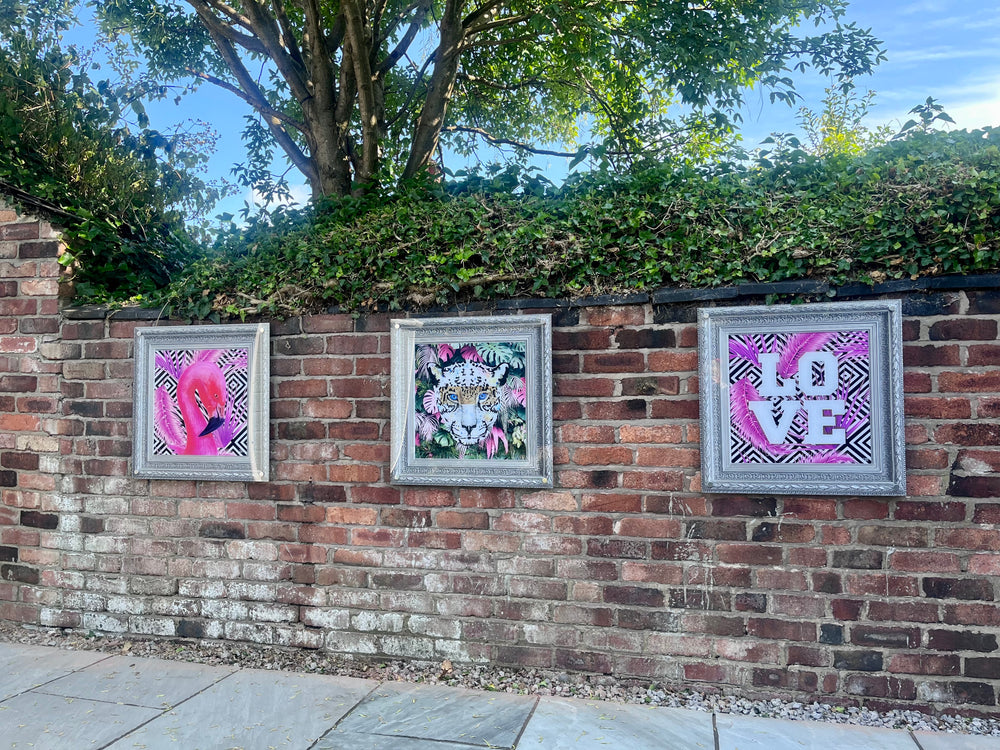
A sunlit garden wall is exactly where a statement artwork earns its place - but it is also where ordinary prints quickly reveal their limits. So, does acrylic wall art fade outside? It can, if it has been made with indoor materials or poor-quality inks. Properly engineered outdoor acrylic wall art, however, is designed to keep its colour, detail and visual impact through strong sun, rain and changing seasons.
The difference is not simply the word “acrylic” on a product description. Long-lasting outdoor art depends on the acrylic panel, the printing process, the protective finish and the care taken when choosing its position. When all four are right, a blank fence, patio wall or courtyard can become a designed feature rather than a surface you have to work around.
Does acrylic wall art fade outside in direct sunlight?
Sunlight is the biggest test for any outdoor artwork. Ultraviolet rays gradually break down colour pigments, which is why indoor posters, untreated photographs and budget garden signs can become washed out after a summer or two. Bright reds may lose their richness, dark blues can soften, and fine contrast is often the first detail to disappear.
Outdoor-grade acrylic wall art is built to slow that process dramatically. High-quality digitally printed pieces use UV-resistant inks and protective layers that help shield the printed image from the most damaging part of daylight. The acrylic itself also provides a clear, durable face that protects the design while retaining the crisp, contemporary depth that makes this material so effective outdoors.
That does not mean sunlight has no effect whatsoever. No decorative surface exposed to years of intense UV can be promised to look identical forever. A south-facing wall with uninterrupted summer sun will place more demand on artwork than a shaded courtyard. The point is that purpose-made outdoor art should remain vibrant and presentable for years, rather than visibly fading after a short spell outside.
What makes outdoor acrylic art colourfast?
Colourfastness is the ability of a design to hold its intended colour when exposed to light. For garden wall art, it is a performance feature as important as the image itself.
UV-resistant printing matters most
The quality of the print is central. Outdoor-suitable UV inks are cured to create a stable image with strong adhesion and excellent resistance to fading. This is very different from placing an indoor paper print behind a clear sheet and hoping for the best. The artwork needs to be produced as an exterior piece from the outset.
A good print also preserves the details that give art its character: the layered brush marks in an abstract, the saturated petals in a botanical piece, or the sharp graphic lines of a street-inspired design. When colour stays true, the art continues to create the mood you chose it for.
The acrylic panel is a protective layer
Acrylic is valued for its smooth finish, clarity and weather-resistant qualities. It does not absorb water like paper-based materials, so damp conditions are far less likely to cause rippling, staining or distortion. Its clean surface also brings an appealing polished finish, catching daylight in a way that makes colours feel especially alive.
For exterior use, thickness and overall construction matter. A quality panel should feel substantial enough for its setting and be paired with fittings suited to outdoor walls. This helps the piece stay secure and looking considered, even when the weather is less than kind.
Protective finishes add reassurance
Depending on the manufacturing method, an additional protective finish may help guard the printed surface from moisture, dirt and UV exposure. This is particularly useful in gardens near the coast, in exposed locations, or on walls that receive driving rain.
Weather resistance is not just about surviving a downpour. It is about maintaining a clean, attractive surface after repeated exposure to rain, pollen, dust, frost and bright light. That ongoing resilience is what makes an outdoor piece feel like part of the space, not something that needs bringing in at the first change in weather.
Placement affects how long your artwork stays vivid
The right product gives you freedom, but thoughtful placement gives it the best possible lifespan. Before installing your art, take a few days to notice how sunlight moves around the garden. A wall that appears shady at breakfast may be in full glare by mid-afternoon.
If your chosen spot receives fierce, all-day sun, select an artwork made specifically for outdoor exposure and expect it to work harder over time. In a partly shaded position, under a pergola, or on a wall that catches gentler morning light, the same piece will usually have an easier life. Neither choice is wrong - it simply depends on the look you want and the conditions of your space.
Avoid positions where sprinklers regularly spray directly onto the artwork, especially in hard-water areas where mineral marks can build up. Likewise, leave enough room around the panel for secure fitting and easy cleaning. Art above an outdoor dining set, beside French doors or at the end of a garden path often makes a stronger design statement than art placed in an overlooked corner.
Rain, frost and garden grime: what to expect
Fading is only one concern outdoors. Buyers are right to ask whether an artwork can cope with wet weather, winter temperatures and the general messiness of a lived-in garden.
Outdoor acrylic wall art is a practical choice because its non-porous surface is easy to maintain. Rain will often rinse away light dust, but it can also leave drying marks. A soft microfibre cloth and clean water are usually enough to refresh the panel. For more stubborn marks, use a mild, non-abrasive cleaner and wipe gently.
Do not use scouring pads, harsh solvents or gritty cleaning products. These can dull the glossy surface or cause scratches that make the art look tired long before its time. A few moments of gentle care once in a while is all most pieces need to stay polished.
In typical UK conditions, quality weatherproof art should be made to remain outdoors all year. If your home is in a particularly exposed coastal setting or a place with severe wind, it is sensible to check fittings periodically. Looking after the installation is as important as looking after the image.
How to spot acrylic art that is genuinely made for outdoors
The simplest rule is to look beyond a beautiful photograph. A design can be exceptional, but if the material specification is vague, it may not be suited to an exterior wall.
Look for clear references to UV resistance, water resistance and outdoor-grade acrylic. Product information should confidently explain that the piece is intended for gardens, patios, exterior walls or outdoor living spaces. It should also tell you how it is fitted and whether the mounting system is appropriate for the wall you have in mind.
Be wary of decorative panels described only as “suitable for occasional outdoor use” or products that focus solely on their appearance. Those phrases often signal a compromise. A permanent garden feature needs more than a nice image - it needs materials that have been selected for the job.
At YARDART UK, outdoor wall art is created around that principle: exterior spaces deserve the same visual confidence as your interiors, without asking you to trade beauty for practicality.
Choose colours with the setting in mind
Acrylic art does not need to be pale or cautious to work outdoors. In fact, strong colour can bring definition to planting, paving and natural timber, particularly on overcast days. A vivid abstract can energise a contemporary terrace, while a deep botanical palette can give a sheltered courtyard a more intimate, layered feel.
For a wall exposed to relentless direct light, designs with considered contrast often perform visually better than very delicate, low-contrast imagery. Bright surroundings can make subtle colours appear quieter, whereas clear shapes and confident tones continue to read from across the garden. If your goal is a calm, neutral scheme, place the art where it can be appreciated at closer range rather than expecting it to command attention from the far end of the lawn.
The best outdoor artwork should feel intentional in every season. It can echo the colour of summer planting, then provide a welcome focal point once borders are bare and the garden needs structure. Choose a piece you will enjoy seeing through rain, low winter light and long evenings outside - because that is when a well-designed wall becomes part of the atmosphere, not just the backdrop.


Leave a comment