Equine Art for Your Stables That Lasts
A stable yard has its own atmosphere long before anyone notices the tack room or the planting. It is in the lines of the buildings, the rhythm of doors and rails, and the presence of the horses themselves. That is exactly why equine art for your stables works so well - it does not feel added on for the sake of decoration. Done properly, it feels like a natural extension of the setting.
The mistake many people make is treating outdoor stable walls as purely practical surfaces. They become places for storage, signage, and little else. Yet those same walls frame first impressions, shape the feel of a courtyard, and set the tone for owners, riders, guests, and clients. Art can make the space feel more considered without losing the working character that gives a yard its charm.
Why equine art for your stables feels right
Horse-themed artwork belongs in this setting in a way that generic outdoor décor rarely does. It reflects the purpose of the space, but it also adds identity. A galloping study brings movement. A close-up portrait adds presence. A vintage equestrian piece can introduce heritage, while a more contemporary design sharpens the look of a modern yard.
This is where style matters. A stable is not automatically rustic, and it does not have to lean into country-house clichés unless that genuinely suits the property. Some yards look best with monochrome photography-style prints and clean architectural lines. Others suit warmer tones, traditional equestrian imagery, or artwork that echoes surrounding fields and hedgerows. The strongest result usually comes from choosing a piece that fits the building as much as the horse theme.
There is also a practical design benefit. Outdoor art can soften large plain walls, break up repetitive timber or brickwork, and draw the eye to the best part of a courtyard. If your yard feels a little flat visually, one well-chosen piece often does more than several smaller decorative additions.
What to look for in equine art for your stables
Outdoor placement changes the brief. A beautiful image is only part of the decision. The material has to cope with real conditions - rain, shifting temperatures, bright sun, dust, and regular outdoor use. If artwork is not made for exterior display, it can quickly become a disappointment.
That is why weatherproof construction matters so much. Outdoor-grade acrylic has a cleaner, more polished finish than many people expect, and it holds colour well when exposed to the elements. UV and water resistance are not marketing extras here. They are the difference between art that stays crisp and art that fades, warps, or looks tired after one season.
Installation matters too. Stable environments are busy. You do not want something fussy, fragile, or awkward to mount. Pieces designed for simple fitting are easier to place well and easier to live with over time. This is especially useful if you are styling a yard that is still actively used every day, rather than a decorative outbuilding that sees little traffic.
Scale is the other major factor. Small art can disappear against long exterior walls or broad stable blocks. Larger statement pieces usually work better outdoors because they hold their own against open space, natural light, and surrounding structures. That said, if you have a compact courtyard or narrow entrance area, a more modest format may feel more balanced. It depends on how much visual competition there is around it.
Choosing a style that suits the yard
The best outdoor spaces feel coherent. That does not mean everything has to match, but there should be a clear relationship between the artwork, the architecture, and the wider setting.
For traditional stables, equine art with a classic feel often lands well. Think elegant horse studies, heritage-inspired imagery, or muted tones that sit comfortably with timber doors, brick walls, and older stonework. This approach tends to feel established rather than decorative for decoration's sake.
For more contemporary properties, bolder equine artwork can be far more effective. High-contrast prints, abstract horse forms, or modern compositions can transform a smart but slightly austere yard into something with character. Clean lines and strong imagery work particularly well where the landscaping is pared back and intentional.
If your outdoor space sits somewhere in between, the safest route is usually not the blandest one. Instead, choose a piece with a clear equine subject but a restrained palette. That gives you presence without overpowering the space. Neutral tones, charcoal, soft sepia, or deep greens often sit beautifully against exterior surfaces in British light.
Where to place stable art for the biggest impact
Placement can change everything. The most effective spot is usually the wall people naturally face when they enter the yard, approach the stable block, or pause in a seating area. You want the art to feel discovered, not hidden.
A courtyard wall is often ideal because it creates a focal point and helps anchor the whole space. If you have a grooming or wash area nearby, think carefully about splashes and practical wear, but do not rule it out. In many working yards, the contrast between utility and style is exactly what makes the artwork stand out.
End walls can work brilliantly too, especially on longer stable runs. They give the eye somewhere to land and can make the entire layout feel more designed. If you have a seating area, office entrance, or tack room exterior that feels unfinished, art can elevate it quickly.
What tends not to work is scattering too many pieces around without a plan. A stable yard already has enough visual information - doors, buckets, rugs, rails, planters, tools, signage. One or two strong pieces often look more premium than several smaller ones competing for attention.
Balancing beauty with the realities of outdoor life
Outdoor styling always comes with trade-offs. A sheltered courtyard gives you more freedom with placement and finish, while an exposed wall will demand tougher performance. Direct sun can intensify colour beautifully, but it also tests lower-quality materials. Wind-driven rain may not ruin properly made outdoor art, but it will reveal very quickly what was designed for real exterior use and what was not.
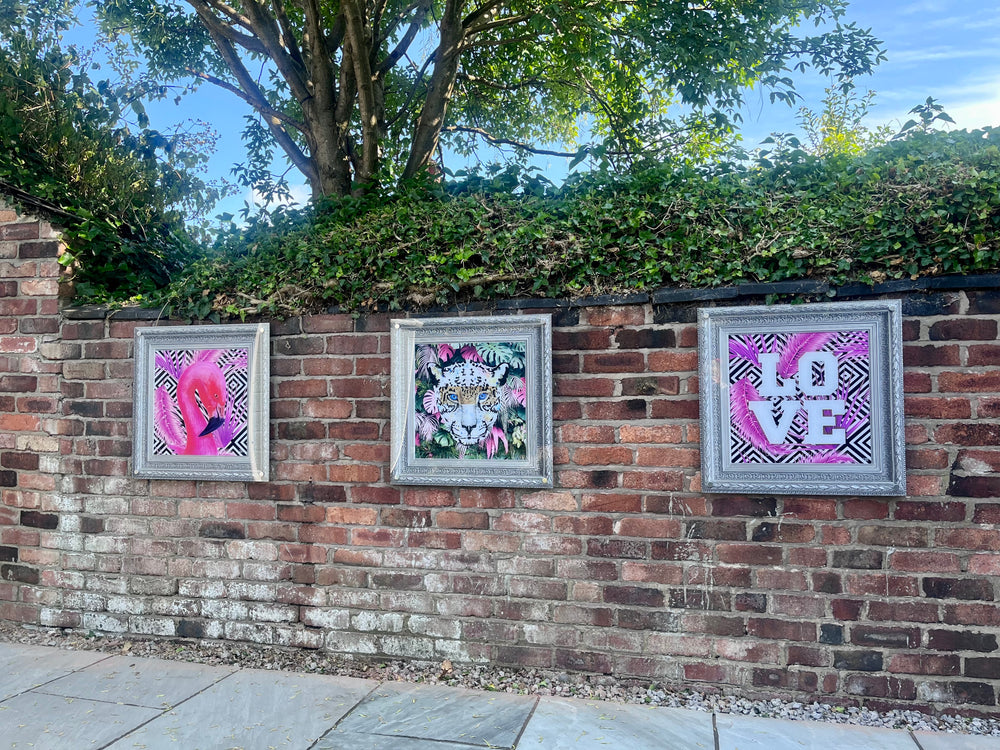
This is where specialist outdoor wall art earns its place. Products engineered for gardens, patios, exterior walls, and outdoor living areas are built with these conditions in mind. That gives you more confidence to choose statement artwork instead of settling for something purely functional.
It is also worth thinking about maintenance expectations. Most people want outdoor décor that looks polished without becoming another job on the list. Smooth, durable surfaces are easier to keep looking fresh in a working yard, where dust and everyday marks are part of life. The point is not to create a precious display. It is to create a stable setting that feels elevated and still practical.
Turning a working yard into a designed space
The most successful stable styling does not ignore the fact that horses live there. It embraces it, then edits the surroundings so the whole space feels intentional. Equine art helps do that because it reinforces the purpose of the yard while adding visual structure.
You might pair a statement piece with smart planters, a freshly painted wall, or tidier storage nearby. You might use it to lift an underused corner or bring more finish to an entertaining area beside the stables. Even simple changes can shift the mood from purely functional to thoughtfully curated.
That is where premium outdoor artwork stands apart. It does more than decorate. It gives exterior space the same level of design attention people already give their kitchens, hallways, and sitting rooms. For homeowners who care about how every part of a property feels, that matters.
At YARDART UK, that idea sits at the heart of outdoor styling. Exterior walls deserve artwork made for the outdoors, and equestrian settings deserve pieces that feel as strong and distinctive as the spaces themselves.
If your stable walls are currently doing nothing beyond the practical, that is an opportunity rather than a flaw. The right equine piece can bring atmosphere, identity, and polish in one move - and make the whole yard feel more complete every time you walk into it.


Leave a comment