
8 Garden Decor Trends UK Homes Will Love
A beautifully planted border can still feel unfinished when the fence behind it is bare, the patio wall has no focal point and every surface sits at the same level. The garden decor trends UK homeowners are embracing now solve that problem with intention. They treat the garden as an extension of the home: layered, expressive and designed to be enjoyed from the kitchen window as much as from a chair in the sunshine.
The strongest looks are not about filling every corner with accessories. They are about choosing a few high-impact elements that bring colour, texture and personality to outdoor living spaces, while standing up to British weather. Here are the directions shaping more considered gardens this season.
Garden decor trends UK homeowners are choosing
1. Outdoor walls with a point of view
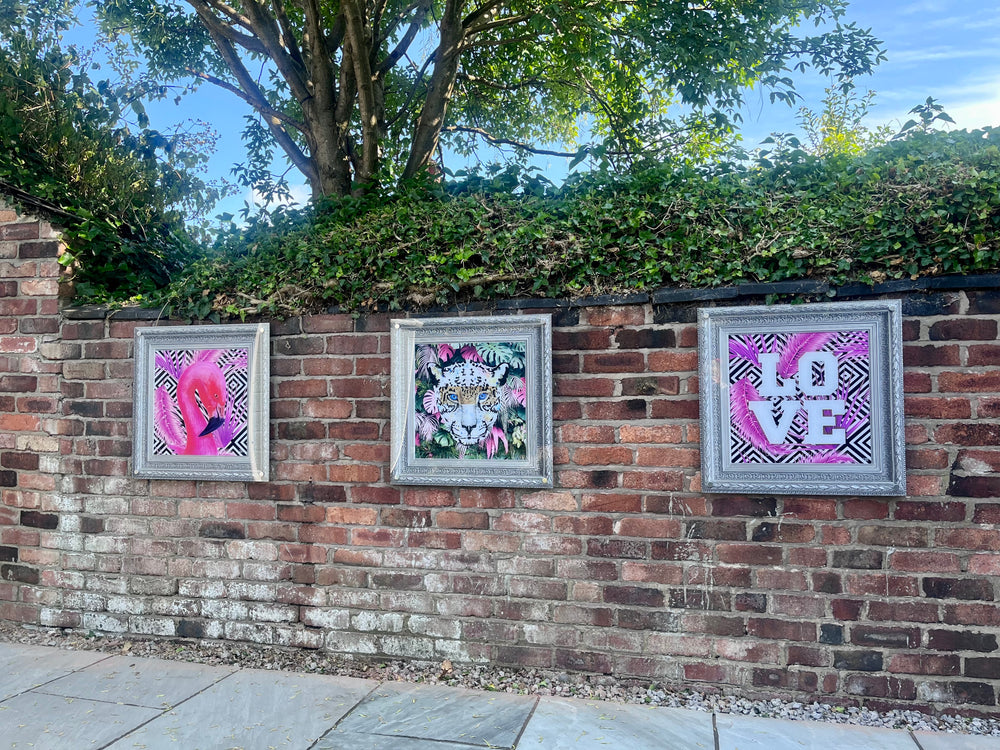
Blank garden walls are becoming one of the most valuable design opportunities outside. A rendered courtyard wall, timber fence panel or sheltered brick elevation can define the whole feel of a seating area when it is treated like an interior feature wall.
Weatherproof outdoor wall art is particularly effective because it introduces scale and colour without claiming valuable floor space. A large abstract design can sharpen a modern patio, while botanical artwork makes a compact urban garden feel greener and more immersive. Vintage-inspired imagery brings warmth to a weathered brick wall, and graphic street-art styles add energy to clean-lined landscaping.
The key is to choose art that can genuinely live outdoors. Indoor prints, even when framed, are not made for rain, moisture or prolonged UV exposure. Outdoor-grade acrylic artwork is designed to retain its visual impact through changing seasons, while remaining easy to install on the walls that need the most attention.
2. Gardens designed as rooms
The boundary between house and garden is softer than ever. Instead of a patio with a table placed in the middle, homeowners are creating distinct zones for dining, lounging, reading and evening drinks. Each one has its own mood, much like separate rooms indoors.
A simple way to make this work is to anchor a zone with a focal point. It might be an outdoor rug, a fire bowl, a pair of generous planters or a statement artwork on the wall behind a sofa. Once the eye has somewhere to land, the furniture arrangement feels purposeful rather than temporary.
This approach also makes difficult gardens easier to style. A narrow plot does not need to do everything at once. A small dining corner nearest the house and a quieter bench at the far end can make the space feel larger, because it gives it a reason to be explored.
3. Rich colour, used with confidence
The all-grey garden has had its moment. Current schemes favour warmer neutrals, mineral tones and saturated accents that hold their own against planting. Think terracotta, ochre, deep olive, inky blue, faded coral and the dark plum shades that look especially good beside soft green foliage.
Colour works best when it is repeated with restraint. If an artwork features a warm rust tone, echo it in a cushion, glazed pot or painted bench rather than introducing five unrelated shades. The result feels curated, not overly matched.
For north-facing gardens, colour is more than decoration. A sunny yellow, vibrant botanical print or warm-toned exterior wall can counteract cool light and make the space feel inviting on days when the weather is less generous. In a bright, south-facing garden, deeper hues often create the contrast that pale paving and silver-leaved plants need.
4. Sculptural planting and oversized pots
Planting is moving beyond the traditional packed border. There is growing appreciation for architectural shapes: clipped evergreen domes, airy multi-stem trees, ornamental grasses and large-leaved specimens that look good long after flowers have faded.
Oversized planters support this more sculptural approach. One substantial pot with an olive tree, acer or tall grass can have more presence than several small containers scattered around the patio. It also gives renters or those with paved gardens a way to add height and planting without a full landscaping project.
There is a trade-off. Large pots dry out quickly in summer and can become heavy to move, so choose frost-resistant materials and position them before filling. Grouping pots near a water source makes upkeep more realistic, especially during a hot spell or before a holiday.
5. Texture that looks good all year
A garden has to carry visual interest beyond the few weeks when everything is in flower. That is why texture is becoming a major part of outdoor styling. Natural timber, pale stone, woven finishes, ribbed planters and textured exterior walls bring depth to spaces that can otherwise look flat in winter.
Pairing tactile materials with smooth, glossy outdoor artwork creates a particularly polished contrast. The artwork brings clarity and colour; the surrounding surfaces keep the setting grounded and relaxed. This is useful in contemporary gardens, where too many hard, uniform finishes can feel cold.
Choose materials with the actual site in mind. A sheltered courtyard can accommodate softer furnishings and lighter decorative pieces. An exposed coastal or hillside garden needs fewer, more durable features that will not deteriorate or constantly need bringing indoors.
6. Evening ambience with purpose
Garden lighting is no longer limited to a single security lamp above the back door. Layered light is being used to make outdoor spaces usable after dusk and to highlight the features worth seeing from indoors.
Low-level lighting along a path improves safety, while a warm light near a dining area makes meals feel more relaxed. Uplighting a small tree or placing a gentle wash of light across an artwork gives the garden depth after dark. Keep the colour temperature warm rather than harsh white, which can make even a well-designed patio feel clinical.
The practical consideration is glare. If lights shine directly into seating or through a neighbour's window, the effect quickly loses its charm. Aim fittings at planting, walls and routes through the garden, not at people.
7. Personal collections over matching sets
The most memorable gardens look collected over time. Rather than buying every item from one range, homeowners are combining a favourite chair, a family table, handmade pots and art that reflects their own taste. The finished space feels lived-in and individual.
This trend suits outdoor art especially well. A dramatic equine image may be exactly right for a country garden, while a colourful boho piece can give a plain courtyard its personality. The question is not whether every element belongs to one style label. It is whether the colours, proportions and atmosphere work together.
If you are unsure, begin with the largest visual element. An artwork, dining table or planted feature can establish the palette and mood. Build around that one confident choice rather than buying lots of small accessories in the hope they will create impact.
8. Low-maintenance beauty that lasts
The final trend is less about a particular look and more about a better standard of choice. People want gardens that look considered without becoming another demanding weekend job. That means long-flowering or evergreen planting, furniture made for the elements, practical storage and decor that does not fade after one summer.
Durability should not mean settling for bland. YARDART UK was created around the idea that exterior spaces deserve the same artistic attention as interiors, with weatherproof artwork made to provide decorative impact in real garden conditions. Choosing pieces engineered for outdoor use gives you the freedom to style fences, patios and walls with confidence.
How to make these garden decor trends feel like your own
Start with what your garden already does well. A sunny wall may be ideal for a bold artwork and a pair of sculptural pots. A shaded corner could become a calming reading spot with textured planting and softer colour. If your view from indoors is the priority, focus first on the surfaces visible from the house.
Avoid trying to introduce every trend at once. One strong wall piece, better lighting and two substantial planters can transform a patio more effectively than a collection of small, disconnected purchases. Leave breathing room around focal points so planting, furniture and art each have a chance to be seen.
The best outdoor spaces feel personal in every season. Choose the colour, scale and materials that make you want to step outside, then give the garden one feature that still looks exceptional when the chairs are empty and the sky is grey.


Leave a comment