
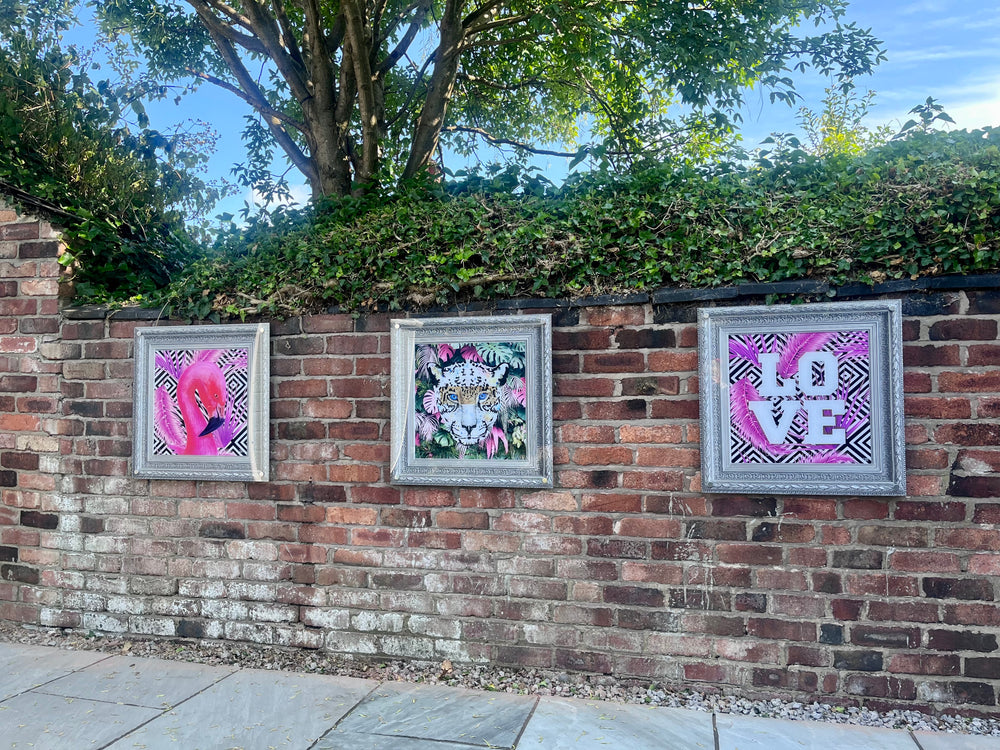
A Guide to Styling Garden Walls
A blank garden wall can make even a well-planted outdoor space feel unfinished. The paving may be smart, the furniture chosen with care, the borders full of life, yet one large vertical surface still pulls the eye for the wrong reasons. This guide to styling garden walls is about changing that - turning bare brick, timber fencing and rendered exteriors into part of the design rather than something to hide.
The most effective garden walls do two jobs at once. They add visual structure, and they help set the mood of the space. A courtyard can feel more intimate, a patio more polished, and a seating area more intentional simply by treating the wall as a design feature. The shift is often less about adding more and more decoration, and more about choosing the right scale, material and placement.
Start with the wall, not the accessory
Before choosing any decorative piece, look at the wall itself. Its material, colour, exposure and size will shape what works. A sun-bleached fence panel needs a different approach from a painted masonry wall beside bi-fold doors. Likewise, a narrow side return calls for a lighter touch than a broad expanse behind an outdoor dining set.
This is where many styling decisions go wrong. People choose something attractive in isolation, then realise it disappears against dark timber or looks undersized on a long wall. Styling outdoor surfaces is closer to styling a room than people expect. Proportion matters. Contrast matters. So does what sits nearby, from planting to furniture cushions to the tone of the paving.
If the wall gets strong sun, frequent rain or driving wind, performance matters just as much as appearance. Outdoor decor should not be an indoor idea moved outside as an afterthought. It needs to cope with real conditions without losing impact.
A guide to styling garden walls with intention
The easiest way to make a garden wall feel expensive is to give it a clear role. Think feature wall, backdrop, visual link or framing device. Once you know the job the wall needs to do, the styling becomes much more focused.
A feature wall suits the area you see first or use most often, such as the backdrop to a dining terrace or lounge corner. Here, one large statement piece or a carefully balanced arrangement has the strongest effect. A backdrop wall works best when it supports planting, seating or outdoor entertaining without competing too hard. In that case, colour palette and composition should feel connected to the rest of the scheme.
Some walls are there to link different zones together. If your patio leads into a lawn or a courtyard opens into a side path, repeating shapes, tones or artwork style across more than one surface can create flow. Others are best used for framing. A decorative panel or weatherproof artwork placed at eye level can anchor a bench, bistro set or fire pit area and make the space feel properly finished.
Choose scale that suits the space
Scale is one of the biggest styling levers, and one of the most overlooked. Small pieces scattered across a large wall usually look hesitant. Oversized designs on a very compact wall can feel cramped. The goal is visual confidence.
For broad walls, larger-format outdoor art often works better than several unrelated pieces. It gives the eye somewhere to land and creates a cleaner, more curated finish. On narrower walls, a portrait format or vertical composition can elongate the space and draw attention upward, which is especially useful in courtyards or enclosed gardens.
If you prefer a grouped arrangement, keep some discipline in the spacing and palette. Pieces do not need to match exactly, but they should feel connected. Repeating one tone, one subject style or one frame-free finish can help an arrangement feel designed rather than improvised.
Use art to bring indoor style outside
The strongest outdoor spaces now borrow much more from interiors. That means thinking beyond purely functional garden decor and using artwork as a genuine design element. The right piece can introduce colour, movement and personality in a way plants alone cannot always achieve, especially in paved or architectural spaces.
Abstract designs can soften hard landscaping and add energy to minimalist gardens. Botanical imagery works beautifully where you want the wall treatment to echo surrounding planting without becoming too literal. Vintage-inspired prints suit characterful courtyards and traditional brick settings, while bolder contemporary or street-art influenced pieces can sharpen up sleek patios and modern garden rooms.
It depends, of course, on the atmosphere you want. If your furniture and planters are already busy, one clean, striking artwork may be enough. If the rest of the scheme is restrained, the wall is an opportunity to add drama. Brands such as YARDART UK have helped shift this category by offering outdoor wall art made specifically for exterior conditions, which makes a noticeable difference in both finish and longevity.
Think in layers, not just flat surfaces
A well-styled garden wall rarely exists on its own. It works best as part of a layered composition. That might mean placing artwork above a bench with planters below, or using trailing greenery nearby to soften sharper architectural lines. The wall remains the focal point, but the surrounding elements help it sit naturally in the space.
Texture plays a big role here. Smooth printed acrylic against rough brick can look crisp and contemporary. On painted render or newer fencing, artwork can add depth where the surface feels visually flat. If your garden already has lots of texture from timber, stone and foliage, choose cleaner artwork with clear shapes and colour contrast. If the space feels sparse, look for pieces with more pattern or tonal richness.
The key is balance. Too many decorative elements can make a wall feel cluttered, especially in smaller gardens. Too few can make it feel accidental. Aim for a composition with one lead idea and a couple of supporting details.
Match the mood to the setting
Not every garden wall should be styled the same way. A family patio used every weekend needs a different feel from a quiet reading corner or a compact city courtyard.
In entertaining spaces, bolder artwork tends to hold its own against dining furniture, lighting and movement. Rich colours and graphic styles can give the area presence, particularly in the evening when planting recedes. In calmer corners, softer palettes and more organic imagery often feel more settled. Think sage, stone, charcoal, muted blush or deep botanical greens rather than high-contrast brights.
This is also where the wall colour matters. Dark-painted fences can make lighter artwork pop beautifully, but pale walls may need more contrast to avoid looking washed out. If your garden has lots of terracotta pots, warm timber or buff paving, choose art that either complements those warmer notes or deliberately introduces cooler balance.
Don’t ignore durability
A stylish garden wall that looks tired after one season is not a good design choice. Exterior styling has to earn its place through performance as well as appearance. UV resistance, water resistance and easy-clean surfaces all matter, particularly on exposed walls where sun and rain are constant.
This is why material choice should be part of the design process, not something checked at the end. Outdoor-grade acrylic artwork, for example, offers a polished look with the practical advantage of being made for year-round display. It suits homeowners who want visual impact without the maintenance cycle of replacing faded or damaged decor.
Installation matters too. If hanging something outdoors feels like a complicated project, it is less likely to happen at all. Pieces that are straightforward to mount and secure make it easier to treat the garden wall as a real decorating opportunity rather than a future job that keeps being postponed.
Common styling mistakes to avoid
The first is treating the wall as separate from the rest of the garden. The strongest results come when artwork relates to furniture, planting and architecture rather than fighting them. The second is choosing pieces that are too small. When in doubt, go slightly larger.
The third is forgetting sightlines. Stand inside the house and look out. Then sit in the main seating area and check the view again. A wall feature should work from the angles you actually use, not only when you stand directly in front of it.
Finally, avoid filling every blank space. A garden wall does not need to be completely covered to feel styled. One well-positioned piece with room to breathe often creates more impact than several additions competing for attention.
The finishing move for outdoor spaces
When a garden wall is styled properly, the whole space feels more deliberate. It looks less like an area left over after landscaping and more like an outdoor room with character. That is the real value of getting it right. You are not simply decorating a surface - you are shaping how the garden feels to spend time in.
If you are choosing where to start, begin with the wall you notice most and give it one confident design decision. Often that single change is enough to make the rest of the space fall into place.


Leave a comment