How to Choose Outdoor Wall Art That Lasts
A blank garden wall can make even a beautifully furnished patio feel unfinished. The right piece changes that instantly. If you are wondering how to choose outdoor wall art, the best place to start is not with colour or trend, but with the space itself - how it looks, how it is used, and what the weather asks of it.
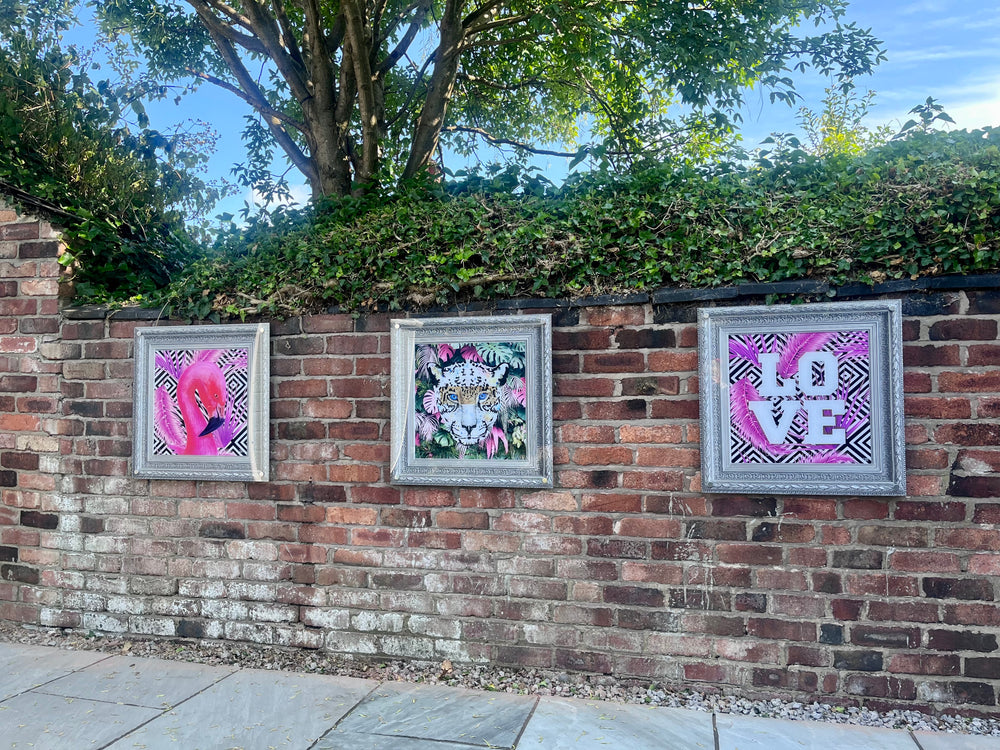
Outdoor art has a different job from indoor art. It needs to create atmosphere, hold its visual impact in natural light, and cope with rain, sun and changing temperatures without losing its finish. That is why choosing well matters. A strong piece can turn a fence, courtyard wall or exterior dining area into something that feels designed rather than simply decorated.
How to choose outdoor wall art for your space
Before you think about style, step back and study the wall. Is it the backdrop to a seating area, the first thing you see from the kitchen doors, or a quiet corner that needs a focal point? Placement affects every decision that follows, from scale to subject matter.
A large uninterrupted brick or rendered wall usually benefits from a statement piece with enough presence to anchor the area. On a smaller fence panel or narrow side return, a more compact format often works better. Art that is too small tends to look apologetic outdoors because open air and surrounding planting visually shrink it. If you have ever hung something that felt perfect indoors and oddly lost outside, scale is usually the reason.
Sightline matters just as much. If the artwork is viewed mostly from a distance, bolder compositions, stronger contrast and clearer shapes tend to perform better than delicate details. If it sits beside a dining table or bench where people see it up close, you can afford more texture in the image and a more layered design.
Start with the outdoor mood you want
The most successful outdoor spaces have a point of view. Some feel calm and architectural. Others are lush, expressive or playful. Your artwork should reinforce that mood rather than compete with it.
For a modern garden, abstract pieces, clean lines and confident graphic forms often feel right. They bring structure to planting and pair well with porcelain paving, dark window frames and contemporary furniture. If your space is softer and more romantic, botanical imagery, vintage-inspired prints or painterly designs can add warmth without feeling too formal.
Boho and eclectic gardens can carry more pattern, layered colour and freer composition. Courtyards with Mediterranean influence often suit sun-washed tones, natural motifs and artwork that adds personality without overwhelming the architecture. If your garden already has a lot happening - patterned tiles, mixed planting, feature lighting - the art may need to be the calm element. If the space is pared back, the artwork can take on more of the drama.
This is where personal taste should lead. Trends come and go, but a piece you genuinely want to look at every day will always outlast a fashionable choice.
Think about weather before you think about finish
Design matters, but outdoor performance is the part people regret ignoring. A piece may look beautiful on screen and still be wrong for the wall if it is not made for exterior use.
When considering how to choose outdoor wall art, look closely at what it is printed on, how it handles UV exposure, and whether it is water resistant. Outdoor-grade acrylic is a strong choice because it gives artwork a crisp, high-impact finish while standing up to real weather conditions. It does not carry the same risks as decorative pieces intended mainly for sheltered interiors or occasional outdoor use.
This becomes even more important on exposed walls. A covered patio gives you more flexibility than a fence facing full sun and rain year-round. If your wall gets strong afternoon light, fading resistance should be high on the checklist. If it is likely to get wet often, you want a material that will not warp, bubble or deteriorate after a season.
There is also a visual benefit to choosing purpose-made outdoor art. Materials designed for exterior display tend to keep their clarity and colour better, so the piece continues to look sharp rather than tired.
Size is where many people get it wrong
Outdoor art nearly always needs to be larger than you first think. Gardens absorb scale. Surrounding plants, sky and open space make undersized pieces disappear.
A useful rule is to let the artwork take up enough visual width to feel intentional. On a broad wall behind an outdoor sofa, a small piece can look like an afterthought. One larger artwork often feels more refined than several tiny ones, particularly in contemporary spaces. If you do prefer grouping, the arrangement should read as one composed display rather than scattered decoration.
Height matters too. Hang the piece in relation to furniture, planters and architectural lines rather than at a fixed indoor gallery height. Above a bench, for example, it should feel connected to the seating area. On a tall fence, placing it slightly lower than you would indoors can make it feel more integrated and easier to enjoy.
If you are between sizes, think about viewing distance. The further away the wall is, the more scale you will need for the artwork to hold presence.
Let the surrounding colours do some of the work
Outdoor spaces are full of shifting colour. Foliage changes through the seasons. Brick, stone, timber and painted render all have their own undertones. Good outdoor wall art either complements these tones or creates deliberate contrast.
If your garden is full of greens and neutrals, artwork with strong blues, terracottas, black accents or warm blush tones can stand out beautifully. If the space already has bold furniture cushions or painted joinery, pulling one of those shades into the artwork can make the whole scheme feel more considered.
Natural light also affects how colour reads. Bright sun can flatten pale shades and intensify contrast, while north-facing walls can make cooler tones feel more muted. This does not mean you should avoid soft palettes, only that they tend to work best when viewed closer or set against simpler backgrounds.
Match the artwork to how the space is used
A family garden, an outdoor kitchen wall and a quiet courtyard do not need the same visual energy. Art should support the way the space functions.
In entertaining areas, pieces with stronger presence often work well because they help define the zone and hold their own against furniture, lighting and conversation. Around dining areas, art can add a polished backdrop that makes the space feel finished day and night. In smaller retreat-style corners, something calmer may be the better choice - less visual noise, more atmosphere.
There is also a practical side. If the wall is near a barbecue, hot tub or pool area, choose something that is easy to keep clean and built for those conditions. Easy installation matters too, especially if you want a straightforward upgrade rather than a complicated project.
Choose confidence over caution
Many people play it safe outdoors because they treat exterior walls as secondary. That is often why the result feels forgettable. A garden is not a lesser version of the home. It is another living space, and the art should reflect that.
This does not mean choosing the brightest or biggest piece in every case. It means being intentional. If you want a focal point, pick artwork with enough scale and personality to create one. If the goal is cohesion, choose a piece that ties the whole palette together. A bland choice is rarely improved by being weatherproof.
At the same time, there is a balance to strike. Highly intricate imagery can get lost on a wall viewed from the far end of the lawn. Very dark artwork may disappear against shadowy fences. The best choice is usually the one that feels clear, purposeful and right for the architecture around it.
How to choose outdoor wall art without second-guessing
If you are narrowing down options, ask four simple questions. Does it suit the style of the space? Is it large enough to hold the wall? Is it made specifically for outdoor conditions? Will you still want to see it every day in six months' time?
When those answers are yes, the decision becomes much easier. That is where specialist outdoor art earns its place. Brands such as YARDART UK focus on pieces designed for exterior living rather than trying to adapt indoor decor for the garden, which gives buyers far more confidence in both the finish and the longevity.
The best outdoor wall art does more than fill an empty wall. It gives structure to open space, brings character to overlooked corners and helps the garden feel every bit as considered as the rooms inside. Choose the piece that makes the area feel complete, and the whole space starts to work harder for you.


Leave a comment