Is Outdoor Wall Art Waterproof?
A garden wall can look flawless in July and tired by November. That is usually the moment people ask, is outdoor wall art waterproof, or is it simply labelled for outdoors and hoping for the best? The honest answer is that some outdoor wall art is genuinely built to handle rain, damp and changing temperatures, while some is only partially protected and will show wear far sooner than expected.
That difference matters more than most people realise. Outdoor art is not just about adding colour to a blank fence or giving a patio a focal point. It is about choosing something that still looks intentional after heavy rain, bright sun, a cold snap and months of exposure. If you want your exterior space to feel as considered as your interior, the material and print quality are doing just as much work as the design itself.
So, is outdoor wall art waterproof in practice?
Sometimes yes, but not always in the way shoppers assume. "Waterproof" is often used loosely across home and garden products. In practice, truly weather-ready outdoor wall art should resist direct rain, moisture in the air and the kind of day-to-day exposure that comes with being displayed outside for long periods.
That is different from being merely water-resistant. A water-resistant piece may cope with the occasional splash or light drizzle, but constant exposure can still lead to swelling, peeling, fading or surface damage. If a product was originally designed for indoor use and lightly adapted for outdoor styling, it may not hold up well on an exterior wall.
The better question is not only whether outdoor wall art is waterproof, but how it has been made waterproof. The answer lies in the combination of substrate, print method, surface finish and mounting system.
What makes outdoor wall art genuinely weatherproof?
Material is the first thing to look at. If the artwork is printed on an outdoor-grade acrylic, you are in a much stronger position than with standard indoor materials. Acrylic designed for exterior display does not absorb water in the same way that porous surfaces can, and it keeps a crisp, polished finish that suits both contemporary and more decorative garden styling.
Print technology matters just as much. A visually striking design means very little if the image starts to degrade after a season outdoors. High-quality outdoor printing, paired with inks made to cope with UV exposure and damp conditions, gives artwork its staying power. Without that, colours can lose depth, dark areas can bleach out, and the whole piece can begin to look flat.
The finish also plays a role. A protective surface helps shield the artwork from rain spots, grime and general environmental wear. This is where premium outdoor art separates itself from decorative pieces that simply look suitable for a patio photo shoot.
Then there is installation. Even a weatherproof artwork performs better when it is mounted correctly, with secure fixings and enough stability to sit neatly against the wall. If water gets trapped behind a piece because it has been installed badly, or if movement in strong wind stresses the fixings, lifespan can be affected.
Why some outdoor art fails after one season
If you have ever bought garden decor that looked promising online and disappointing a few months later, the issue is usually not bad luck. It is often a mismatch between design intent and real outdoor performance.
Some products are made to capture the outdoor look without being engineered for outdoor conditions. They may use lower-grade surfaces, decorative coatings that wear too quickly, or print methods that are not intended for prolonged exposure. At first glance they can look excellent. After repeated rain and sun, the weaknesses start to show.
Moisture is often the first problem. If the material allows water ingress, edges can deteriorate and the surface can lose its clean finish. Sun is the second challenge. UV light gradually breaks down inks and finishes that are not designed for exterior use. In the UK, where weather shifts quickly and damp can linger, that combination is especially unforgiving.
This is why the phrase "suitable for outdoors" should be treated carefully. It sounds reassuring, but it does not always mean the piece is designed for year-round display.
Is all waterproof outdoor wall art fully maintenance-free?
Not quite. Even excellent outdoor wall art benefits from a little common-sense care. Waterproof does not mean indestructible, and weatherproof does not mean nothing ever touches the surface.
Dust, airborne dirt, pollen and rain marks can build up over time, especially on walls near planting, seating areas or roads. The good news is that quality acrylic outdoor art is usually straightforward to keep looking smart. A gentle clean now and then is often enough to maintain clarity and colour.
Placement still matters too. A fully exposed wall will naturally experience more intense weathering than a sheltered courtyard or covered entertaining area. That does not mean you should avoid statement art on open walls. It simply means expectations should be realistic. A premium outdoor-grade piece is built for those conditions, but location always affects long-term wear at some level.
How to tell if outdoor wall art is worth buying
Shoppers who care about both style and longevity should look beyond the image itself. The design may be what draws you in, but the product specification tells you whether the piece is built for real outdoor living.
Start with the substrate. Outdoor-grade acrylic is a strong indicator that the artwork has been made with durability in mind. Then look for clear mention of UV resistance and water resistance, ideally described as part of the core product rather than an afterthought. Vague wording is rarely a great sign.
You should also consider whether the brand treats outdoor art as a specialist category. There is a real difference between a company that designs specifically for exterior walls and one that simply offers a few garden-friendly options. Specialist outdoor art tends to be better thought through in terms of materials, finish and ease of installation.
For style-conscious homeowners, this is where performance and design finally meet. You should not have to choose between a striking visual statement and practical durability. The right piece does both.
Choosing waterproof outdoor wall art for your space
Different outdoor settings place different demands on artwork. A balcony wall, a garden fence, a poolside entertaining area and a brick courtyard all have slightly different conditions. The best choice depends on how exposed the wall is, how much sunlight it receives and what aesthetic you are creating.
If your space gets strong direct light for much of the day, prioritise UV stability as highly as waterproof performance. If your wall is more exposed to driving rain, look for a smooth, non-porous surface that will not struggle with persistent moisture. For high-design patios and outdoor dining zones, finish and image sharpness may be especially important because the artwork is viewed up close.
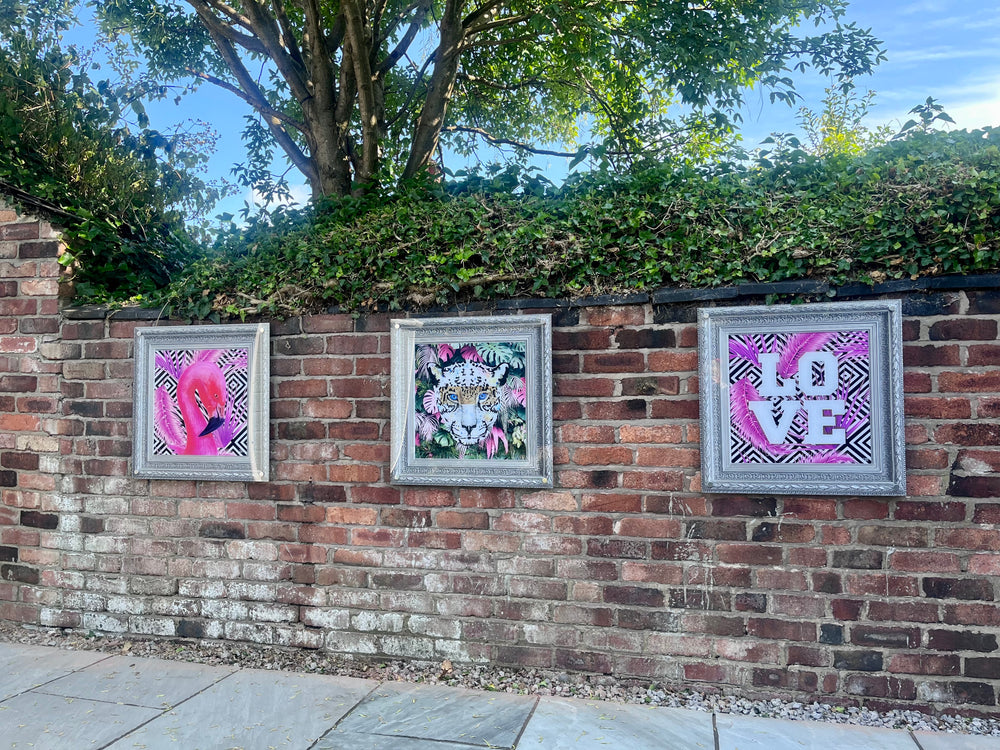
Style matters here too. Abstracts can add movement to a minimalist terrace. Botanical designs soften hard landscaping. Vintage-inspired prints can bring character to brick walls and enclosed courtyards. The point is not simply to fill empty space, but to choose a piece that helps the whole outdoor setting feel finished.
That is why brands such as YARDART UK focus on artwork made specifically for exterior display rather than trying to repurpose indoor prints. When the product is engineered for outside use from the start, it is far easier to achieve a result that feels polished and lasting.
Common myths about waterproof outdoor art
One myth is that if a piece looks glossy, it must be waterproof. Gloss can be part of a durable finish, but appearance alone proves nothing. Another is that all garden decor is built to cope with year-round weather. That would be convenient, but it is not true.
There is also a tendency to assume that heavy means durable. In reality, a well-made outdoor acrylic piece can offer excellent weather performance without becoming awkward to handle or difficult to install. Lightweight does not automatically mean flimsy, just as decorative detail does not automatically mean fragility.
And finally, waterproof does not mean fade-proof forever. All outdoor products age eventually. The goal is not to stop time. It is to choose artwork with the material quality and print protection to age well and keep its impact for as long as possible.
If you are standing in front of a bare exterior wall and wondering whether art outdoors is worth the risk, the answer is yes, provided the piece is actually made for the job. Good outdoor wall art should do more than survive the weather. It should keep your space looking designed, welcoming and unmistakably yours, season after season.


Leave a comment