Modern City Home Garden Ideas That Work
A modern city home garden rarely suffers from a lack of ambition. What it usually lacks is space, calm and a clear visual plan. In compact urban settings, every surface has to work harder - the floor, the walls, the planting, the seating and even the corners you barely notice at first. When those elements are considered together, a small garden can feel sharper, larger and far more inviting.
The mistake many homeowners make is treating the garden as separate from the house. Indoors gets the attention. Outdoors gets whatever furniture survives the season. That approach leaves city gardens looking functional but unfinished. The strongest results come when outdoor space is styled with the same confidence as a living room, while still respecting the practical demands of weather, maintenance and limited square footage.
What defines a modern city home garden
A modern city home garden is not simply a garden with contemporary furniture. It is a space shaped by clean lines, edited planting and a deliberate sense of structure. That often means a restrained palette, strong materials, and focal points that give the eye somewhere to land.
In urban homes, modern design works particularly well because it reduces visual noise. If your garden is overlooked, enclosed by fencing, or interrupted by bins, brickwork and neighbouring boundaries, a simpler design language creates order. Large planters can look more sophisticated than lots of small pots. Repeating one or two planting styles often feels stronger than trying to fit in every favourite shrub.
That does not mean it has to feel stark. The best modern gardens balance crisp design with softness. Grasses, climbing greenery and layered foliage stop a city space from feeling too hard. Texture matters as much as colour, especially in the British climate where gardens are often viewed through windows for much of the year.
Start with the surfaces before the styling
If the bones of the space feel messy, accessories will not fix it. The paving, decking, gravel or porcelain underfoot sets the tone immediately. In a smaller garden, fewer materials usually look better. Too many changes in finish can chop the area into pieces and make it feel tighter than it is.
Pale paving can brighten enclosed courtyards, but it will show dirt more easily. Darker finishes feel more dramatic and design-led, although they can make narrow spaces appear smaller if there is not enough contrast elsewhere. Timber adds warmth, yet it may demand more upkeep than some homeowners want. Composite surfaces can be practical, but the finish needs to look convincing in full daylight rather than only in a showroom sample.
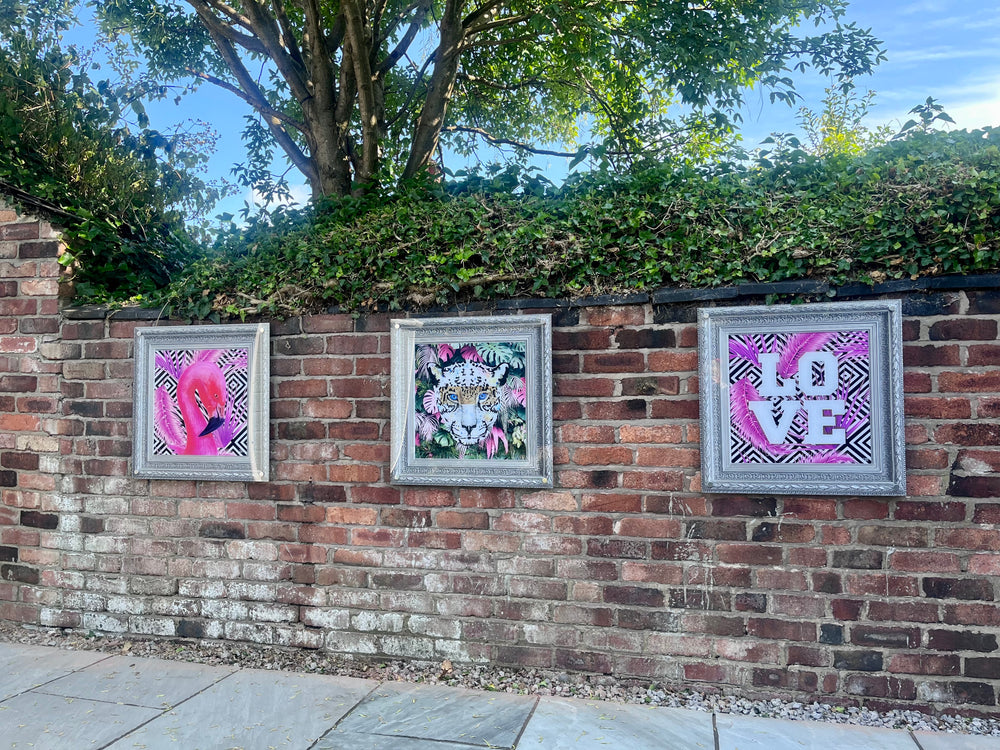
Walls deserve the same attention. In a city garden, vertical surfaces often take up more visual space than the ground. A plain rendered wall, painted fence or brick boundary can either drag the whole scheme down or become one of its strongest features. This is where a weatherproof statement piece can completely change the atmosphere. Outdoor wall art brings scale, personality and a finished look that planting alone does not always achieve, especially in compact spaces where every design decision is visible.
Layout matters more in small urban gardens
A generous suburban garden can afford a few awkward decisions. A city garden cannot. The layout has to support how you actually use the space, whether that is morning coffee, evening drinks, container gardening or simply creating a better view from the kitchen.
Think in zones, but keep them visually connected. A dining corner, a slim planting border and a feature wall can be enough. Built-in benches are often useful in tighter gardens because they save space and keep the lines clean. Freestanding furniture offers more flexibility, though it can look cluttered if the proportions are wrong.
Sightlines are especially important. What do you see first from inside the house? If the answer is storage, fencing or an empty patch of wall, that is your opportunity. A focal point positioned opposite the back doors can pull the whole garden together. In many modern schemes, that focal point is not a water feature or oversized planter but a curated artwork designed for outdoor display. It adds instant visual structure without taking up precious floor space.
Planting for a modern city home garden
Planting in a modern city home garden should feel intentional rather than overfilled. A smaller palette tends to create more impact. Architectural plants, evergreen structure and repeated forms all support a cleaner look.
That might mean clipped shrubs, upright grasses, ferns in shaded spaces, or sculptural planting in large containers. If your garden gets strong sun, silver foliage and drought-tolerant planting can look striking while reducing the need for constant watering. If the space is enclosed and cooler, use texture and leaf shape to create contrast instead of relying only on flowers.
There is always a trade-off between abundance and maintenance. Lush, layered planting can be beautiful, but in a compact urban plot it may quickly feel unruly. A more edited approach is easier to maintain and often suits contemporary architecture better. The goal is not to make the garden sparse. It is to make every plant earn its place.
Why wall decor changes the whole garden
Outdoor styling often stops at furniture and pots, yet the walls are where much of the transformation happens. In cities, boundaries are rarely beautiful by default. Fence panels weather. Brick can look heavy. Rendered walls can feel flat. Once you treat those surfaces as design features, the entire garden starts to feel curated rather than improvised.
Weatherproof wall art is particularly effective in modern gardens because it introduces colour, pattern or mood without crowding the footprint. It can echo the palette indoors, soften stark materials and create a more finished entertaining space. In courtyards and patios, it also helps establish a sense of destination - a place with identity, not just a leftover outdoor area.
The practical side matters too. Decorative pieces for the garden need to cope with rain, UV exposure and temperature changes without losing their impact. That is why purpose-made outdoor art feels different from decor that was never designed for exterior use. It is not just about style. It is about confidence that the look will last.
Choosing a style that feels current, not cold
Modern does not have to mean monochrome. Some city gardens suit a crisp black, white and green palette. Others need warmth, depth and a bit more personality. The right choice depends on the architecture of the home, the amount of natural light and how you want the space to feel.
Abstract art works well when you want a bold, gallery-like finish. Botanical designs can sharpen a planting scheme without becoming predictable. Street art influences can add edge to a courtyard or terrace, especially against simple walls and contemporary furniture. If the rest of the garden is quite restrained, one standout artwork can carry much of the character.
Scale is where many people hesitate. They choose pieces that are too small and the wall still looks underdressed. In a city garden, going larger is often the better decision. A strong focal piece gives a compact space confidence. It reads as deliberate rather than tentative.
Making the space feel good all year
British gardens are not only for peak summer. A well-designed city garden should hold its shape in colder months and still look considered on grey days. Evergreens help, but so do materials and features with visual presence throughout the year.
This is another reason wall art earns its place. Planting changes with the seasons. Furniture may be covered or moved. Art remains visible from inside, giving the garden structure even when the weather is less inviting. For homeowners who see their outdoor area as part of the overall home aesthetic, that continuity matters.
Lighting also deserves attention. Soft wall washing, discreet spike lights or warm table lighting can bring out texture after dark. Just avoid over-lighting a small space. A city garden should feel atmospheric, not like a showroom car park.
A more polished way to finish the space
The difference between a decent garden and a memorable one is often the finishing layer. Not more furniture. Not more pots. Better choices. A clean layout, strong surfaces, considered planting and a feature that gives the space identity will always outperform a garden full of disconnected ideas.
That is why brands such as YARDART UK have found a place in modern outdoor design. Homeowners want their exterior spaces to feel as styled as their interiors, but they also want materials that can handle real weather. When both come together, a city garden stops feeling like an afterthought and starts feeling like a true extension of the home.
If your garden already has the basics, look at what the eye keeps missing. It is usually the wall, the focal point or the sense of finish. Change that, and the whole space starts to work harder for you.


Leave a comment