

Murals vs Outdoor Wall Panels for Your Garden
A blank garden wall can make an otherwise carefully planned patio feel unfinished. It has scale, but no personality. When comparing murals vs outdoor wall panels, the question is not simply which looks better. It is whether you want a one-off artistic installation built into the surface, or a weatherproof artwork designed to transform the space with far less disruption.
Both can create a striking focal point. A mural can turn an exterior wall into an immersive scene, while a printed outdoor art panel brings crisp colour, curated style and a more flexible route to decorating. The best choice depends on your wall, your budget, the look you want to live with and how much permanence suits your garden.
Murals vs outdoor wall panels: the key difference
A mural is artwork painted directly onto a wall, usually by an artist or decorator. It can be completely bespoke, scaled precisely around doors, windows, planting and architectural features. The result is often expressive and dramatic, particularly on a large rendered boundary wall or sheltered courtyard.
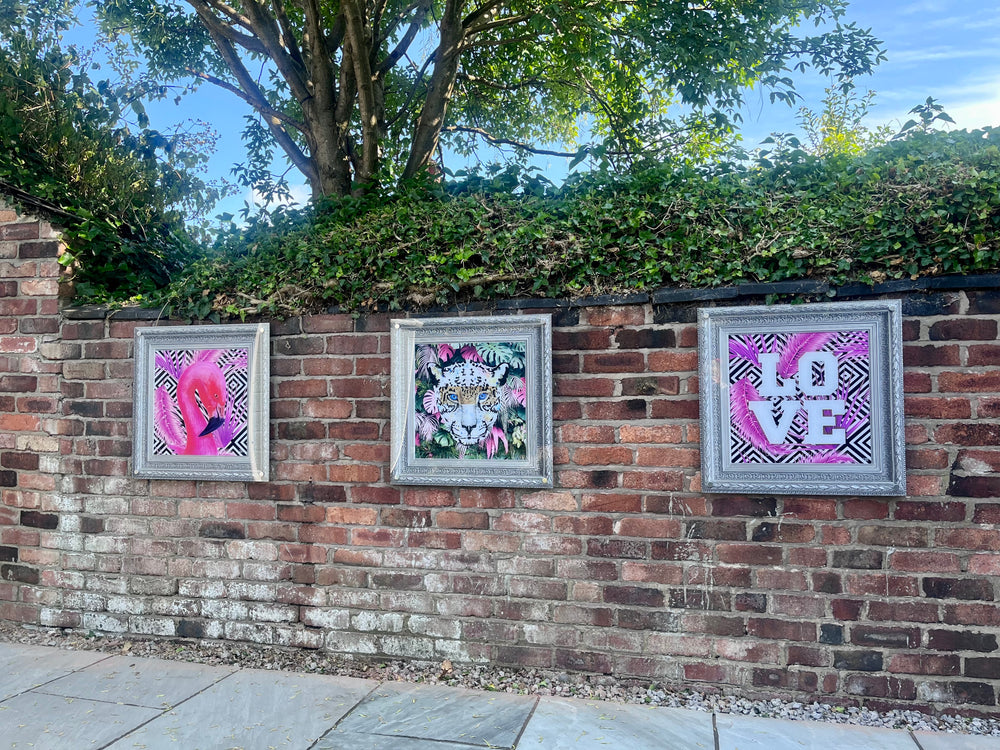
Outdoor wall panels are finished artworks mounted onto an existing exterior surface. At YARDART UK, designs are digitally printed on outdoor-grade acrylic, giving gardens and patios the visual impact of art without requiring the entire wall to become the canvas. Think of them as a considered finishing layer for an exterior space, rather than a permanent alteration to the building.
That distinction affects almost everything: preparation, installation, maintenance, freedom to change your mind and the way the artwork performs through the seasons.
When a painted mural is the right choice
Murals earn their appeal through originality. If you have a very specific vision - perhaps a hand-painted Mediterranean landscape across a courtyard wall, an illustrated play area, or a design that must flow around awkward architectural details - a skilled mural artist can create something no ready-made artwork can replicate.
They are especially effective where the wall itself is a central design feature. A smooth, newly rendered surface with generous uninterrupted space gives an artist a strong foundation. A mural may also suit a commercial hospitality setting or a home where a permanent, highly personal statement is the aim.
There are trade-offs. Exterior paintwork depends heavily on preparation and conditions. The wall needs to be sound, dry and suitably primed; existing flaking paint, damp patches and surface cracks need resolving first. Work is weather dependent too. Rain, cold temperatures and high humidity can all delay painting or affect curing.
A mural’s lasting quality also relies on the right exterior paints, protective finishes and occasional care. Strong sun can gradually alter colour, particularly on exposed south-facing walls, while driving rain and frost can reveal weaknesses in a wall’s substrate. This does not make murals unsuitable outdoors. It simply means the wall and the artwork become inseparable, for better and for worse.
Cost is another consideration. A bespoke mural reflects the artist’s time, travel, materials, wall preparation and level of detail. For a large commission, that investment may be entirely worthwhile. For homeowners seeking a quicker decorative lift, it can be more commitment than they need.
Why outdoor wall panels suit more gardens
Outdoor wall panels offer a different kind of design confidence. You choose the artwork first, then position it where it will have the greatest effect: above a dining set, at the end of a path, beside a pergola or on a plain fence that needs a clear focal point.
Because the art is produced as a separate piece, the image remains sharp and intentional. A bold abstract can bring energy to a contemporary terrace; a botanical design can soften a brick wall; vintage artwork can add character to a sheltered seating corner. Rather than commissioning an entire wall, you can introduce one strong visual moment and build your planting, furniture and lighting around it.
The practical advantages are equally compelling. Outdoor-grade acrylic panels are made for exterior display, with UV and water resistance that helps the artwork retain its colour and finish in changing weather. They are also easier to install than a painted mural and do not require the same extensive wall preparation. A secure, suitable surface is still essential, but installation is usually more straightforward and far less disruptive.
This approach works particularly well for renters, frequent redecorators and anyone refreshing a garden in stages. You can move a panel to a new wall, take it with you when you move, or replace it when your style changes. That flexibility matters when an outdoor space evolves from family garden to entertaining area, or from a bare patio into a layered retreat.
Consider the wall before choosing
The condition and construction of your exterior surface should guide the decision. A mural demands a stable, clean wall surface because every imperfection can affect the finished result. If you have old brickwork, uneven render, a fence or a wall with minor cosmetic flaws, a panel can be a more forgiving option. It creates a clean visual plane without asking the whole background to be perfect.
Scale matters too. One oversized panel can hold its own on a broad boundary wall, while a set of coordinated pieces can give rhythm to a long fence line. On a smaller patio, a single design can create depth without making the area feel crowded. A mural is often most effective when it has room to breathe; on a small or fragmented wall, it can feel visually busy unless carefully planned.
Also consider sightlines. The best outdoor artwork is not always placed in the most obvious spot. Look from the kitchen doors, the main seating area and the end of the garden. An art panel placed where you catch it repeatedly can make the whole space feel more finished, even if the wall itself is modest.
Style and colour: permanence versus flexibility
A mural invites a fully bespoke palette. That is ideal if you are matching painted joinery, tiles or a distinctive planting scheme. But a very specific design can date more quickly than expected, especially if you later change furniture, landscaping or the function of the space.
Outdoor wall panels give you access to a wider range of established visual styles without a long design process. Modern graphics, street-art inspired designs, equine subjects, soft botanicals and boho prints each create a different mood. You can choose an artwork that complements the garden rather than competes with it.
For a contemporary setting, look for strong contrast, clean shapes and artwork with enough scale to stand against architectural materials. In a cottage-style garden, vintage florals, nature-led imagery and softer tones can sit comfortably alongside aged brick, timber and abundant planting. If your garden already has plenty of colour, a more restrained monochrome or neutral-led piece may give the eye a place to rest.
The important point is balance. Art outdoors should feel deliberate, not like an afterthought attached to a wall. Repeat one or two colours from the artwork in cushions, pots or planting, then allow the rest of the garden to stay calm.
Weather performance and maintenance
Every exterior decorative choice faces sun, rain, wind, dirt and temperature changes. With murals, maintenance may include checking the painted surface for fading, cracking or peeling and arranging touch-ups over time. How often this is needed varies greatly with exposure, wall condition and paint quality.
A purpose-made outdoor wall panel simplifies upkeep. A gentle clean with a soft cloth and mild soapy water is generally enough to remove garden dust and marks. Avoid abrasive cleaners or harsh tools that could damage the printed surface. It is also sensible to check fixings periodically, particularly after severe weather.
Placement still has an effect. Even weatherproof art benefits from thoughtful positioning. Avoid areas where sprinkler spray constantly hits the piece, and make sure water is not running down the wall behind it. If your site is especially exposed, use appropriate fixings and follow installation guidance for the wall material.
What offers better value?
There is no universal winner. A commissioned mural can be extraordinary value when its bespoke nature is the whole point and you intend to enjoy it for many years. It creates a result that belongs uniquely to your home.
Outdoor wall panels often offer stronger value for homeowners who want immediate impact, a polished finish and the option to update their décor. You are investing in a finished art piece engineered for outdoor conditions, rather than in a labour-intensive transformation of the wall itself. For many patios and gardens, that is the more practical route to a high-end result.
If you are torn, consider the level of commitment you genuinely want. Choose a mural when the wall deserves to become a permanent artwork. Choose an outdoor panel when you want the freedom to make your exterior feel designed, expressive and ready for the way you live there now. A well-chosen piece of outdoor art can turn the view from your favourite chair into a reason to spend longer outside.


Leave a comment