Outdoor Living Decor Trends for Stylish Spaces
The days of treating the garden as an afterthought are over. The most exciting outdoor living decor trends are all about giving patios, courtyards and garden walls the same design attention as a sitting room - with better materials, bolder styling and pieces that can handle real weather without losing their appeal.
That shift matters because outdoor spaces are no longer used only in high summer. They are where people entertain, read with a coffee, host family lunches and carve out a bit of calm at the end of the day. When a space is used more often, it needs more than a table and a few planters. It needs identity.
Outdoor living decor trends are moving beyond furniture
For years, outdoor design was led almost entirely by furniture sets. Buy a sofa, add a fire pit, perhaps a lantern or two, and call it finished. Now the look is more layered and far more personal. Homeowners want outdoor rooms that feel curated rather than assembled from basics.
That means decorative choices are becoming more expressive. Wall art, outdoor rugs, patterned cushions, sculptural planters and statement lighting are doing more of the visual work. The result is a space that feels considered from every angle, not simply practical.
This is also where quality starts to separate good design from short-term styling. A trend can look brilliant in a showroom, but outdoors it has to cope with rain, UV exposure and temperature swings. The strongest choices are the ones that combine decorative impact with materials designed for exterior use.
Statement walls are taking centre stage
One of the clearest shifts in outdoor styling is the rise of the garden wall as a design feature. Fences, rendered walls and patio backdrops used to be hidden, painted over or ignored. Now they are becoming focal points.
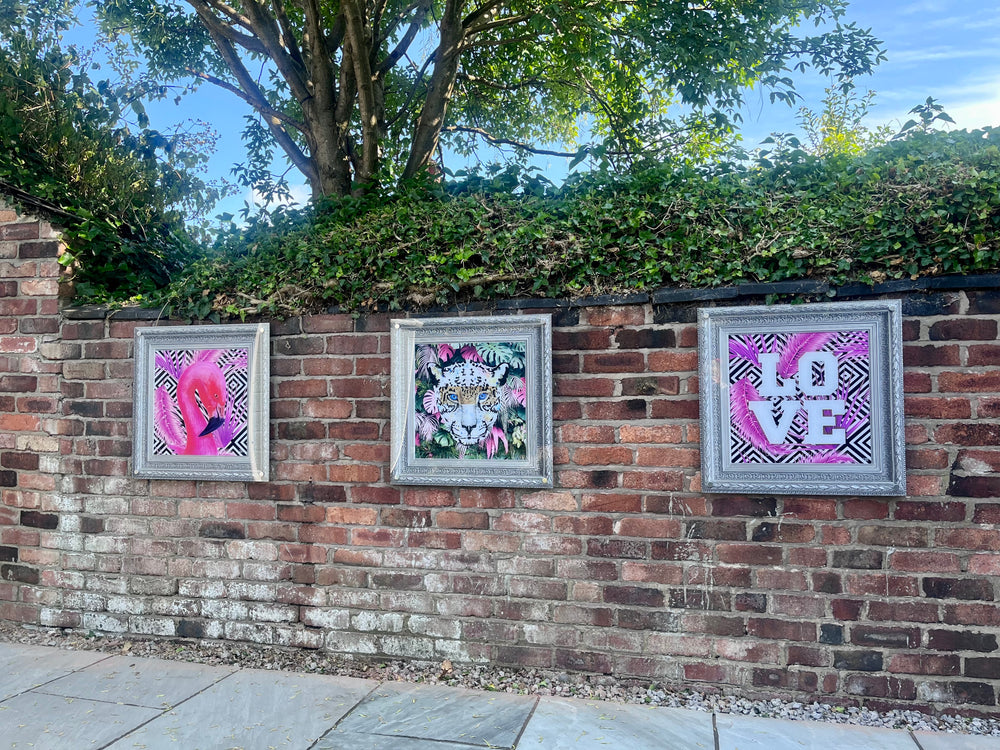
Outdoor wall art is central to that change. It adds structure to large blank areas and gives smaller spaces instant presence without taking up floor area. That matters in compact gardens where every square metre has to work harder. A striking piece on an exterior wall can anchor the entire scheme, much like art does indoors.
The appeal is not only visual. Wall-mounted decor helps create a finished look in spaces that can otherwise feel open-ended. If your seating area seems disconnected from the rest of the garden, a bold artwork behind it can make the zone feel intentional.
Style-wise, there is no single direction dominating. Abstract pieces bring a contemporary edge, botanical designs soften paved settings, and vintage-inspired prints add warmth and familiarity. The better approach is not chasing one look for its own sake, but choosing artwork that echoes the mood of the home and the planting around it.
Texture is replacing overly matched sets
Another major move in outdoor living decor trends is away from perfectly matched furniture collections. Spaces feel more relaxed and more expensive when they mix finishes and surfaces in a thoughtful way.
That could mean pairing smooth outdoor-grade acrylic art with woven seating, stone planters and timber details. It could mean balancing clean-lined furniture with softer textiles and organic planting. The point is contrast. When every item is made from the same material in the same tone, a garden can feel flat very quickly.
Texture also helps outdoor spaces feel comfortable across seasons. In spring and summer, it gives visual richness. In autumn and winter, when planting may be less full, texture keeps the space looking styled rather than bare.
There is a practical side to this too. Outdoor rooms need materials that can be wiped down, cleaned easily and left outside with confidence. Decorative pieces should not create extra maintenance. They should bring character without becoming another thing to worry about when the weather turns.
Zoning is shaping how patios and gardens feel
People are asking more from their outdoor spaces, so layout is becoming part of the decorating conversation. Instead of one general-purpose patio, many gardens now include distinct zones for dining, lounging and quiet retreat.
Decor plays a big role in making those areas feel different. Artwork can define a dining wall, lanterns can soften a seating corner, and planters can frame transitions between spaces without heavy structures. Even in smaller gardens, subtle zoning makes the whole area feel more polished.
This is especially effective when decor is used vertically. Screens, wall pieces and mounted accessories help create depth without cluttering the floor. For homeowners working with narrow patios or enclosed courtyards, vertical styling often delivers more impact than adding yet another side table or oversized pot.
The trade-off is that zoning can become overdesigned if every area competes for attention. A garden works best when one or two moments lead, and the rest support them. Usually, that means choosing a hero wall, a primary seating area or one standout decorative theme, then building around it.
Weatherproof design is no longer negotiable
Perhaps the most meaningful of all outdoor living decor trends is this: buyers are less willing to compromise on durability. Decorative pieces still need to look beautiful, but beauty alone is not enough if the finish fades or the material warps after one season.
That is why purpose-made outdoor art and decor are gaining ground over products adapted from indoor use. Exterior spaces demand UV resistance, water resistance and surfaces that hold their colour and clarity over time. If a piece is going to sit in direct sun or face regular rain, those details are not add-ons. They are essential.
This is where design confidence comes from. When materials are engineered for outdoor display, homeowners can make bolder decorative choices. They are more likely to invest in statement pieces when they know installation is straightforward and performance has been considered properly.
For brands such as YARDART UK, that is exactly the point: treating outdoor style seriously means offering art designed to live outdoors, not asking customers to hope an indoor print will cope.
Earthy palettes are evolving with bolder accents
Soft neutrals remain popular, and for good reason. Stone, sand, olive, chalk and warm grey create a calm backdrop that works with planting and natural light. But the newer twist is confidence with accent colour.
Instead of keeping everything muted, many outdoor schemes now use one stronger note to sharpen the look. That might be deep blue in a coastal garden, terracotta against pale render, or black-and-white graphic art in a modern courtyard. The contrast gives a space more personality without making it feel busy.
Artwork is one of the easiest ways to introduce that accent. It can pull together tones already present in cushions, pots or planting, while adding visual height and a more finished composition. If you are hesitant about colour outdoors, wall art offers commitment without the scale of repainting fences or replacing furniture.
It depends, of course, on the amount of sun your space gets and the mood you want to create. Bright, exposed gardens can handle stronger contrast. Smaller shaded spots often suit softer tones with just a touch of drama.
Lighting is becoming decorative, not just functional
Outdoor lighting has matured well beyond basic security fittings and a string of fairy lights. The newer approach is layered lighting that shapes atmosphere as much as visibility.
Warm wall lights, portable lamps, subtle uplighting and candle-style lanterns help a garden feel inviting after dark. They also make decorative features visible in the evening, which is one reason wall-focused styling has grown. There is little point investing in a beautiful outdoor backdrop if it disappears the moment the sun goes down.
Lighting and art work especially well together. Gentle illumination can bring out colour, texture and detail, turning a plain patio wall into a proper evening focal point. It is a simple way to extend the usefulness of the space without major renovation.
Personal style matters more than trend loyalty
The best outdoor spaces do not look as though they have been copied from a single source. They feel specific to the home and the people using them. That is where the current trends are actually most helpful - not as rules, but as permission to be more expressive.
A modern townhouse courtyard might suit oversized abstract art and a tightly edited palette. A country garden may call for botanical prints, softer textures and a gentler mix of finishes. Neither is more correct. What matters is cohesion, durability and the confidence to treat exterior walls and entertaining areas as part of the overall design story.
If there is one idea worth taking forward, it is this: outdoor decor now carries real weight. It shapes mood, defines space and gives gardens a finished quality that furniture alone rarely achieves. Start with the wall you notice first, choose materials that are made for the elements, and build a space that feels every bit as considered as the rooms inside your home.


Leave a comment