Outdoor Wall Art for Fences That Last
A blank fence can flatten an otherwise beautiful garden. You might have fresh planting, quality furniture, and a patio that works hard all summer, but if the vertical space is ignored, the whole setting can still feel unfinished. That is exactly where outdoor wall art for fences makes a difference - it turns a hard boundary into part of the design.
Unlike throwaway outdoor decor, well-made fence art has a real job to do. It needs to add presence, hold its color, and cope with changing weather without looking tired after one season. When you choose art created specifically for outdoor use, a fence stops being just a backdrop and starts shaping the atmosphere of the space.
Why fence art changes the feel of a yard
Fences take up more visual room than most people realize. They frame seating areas, define sightlines, and often sit behind planters, fire pits, or dining sets. When they are left bare, they can make the entire yard feel more functional than styled.
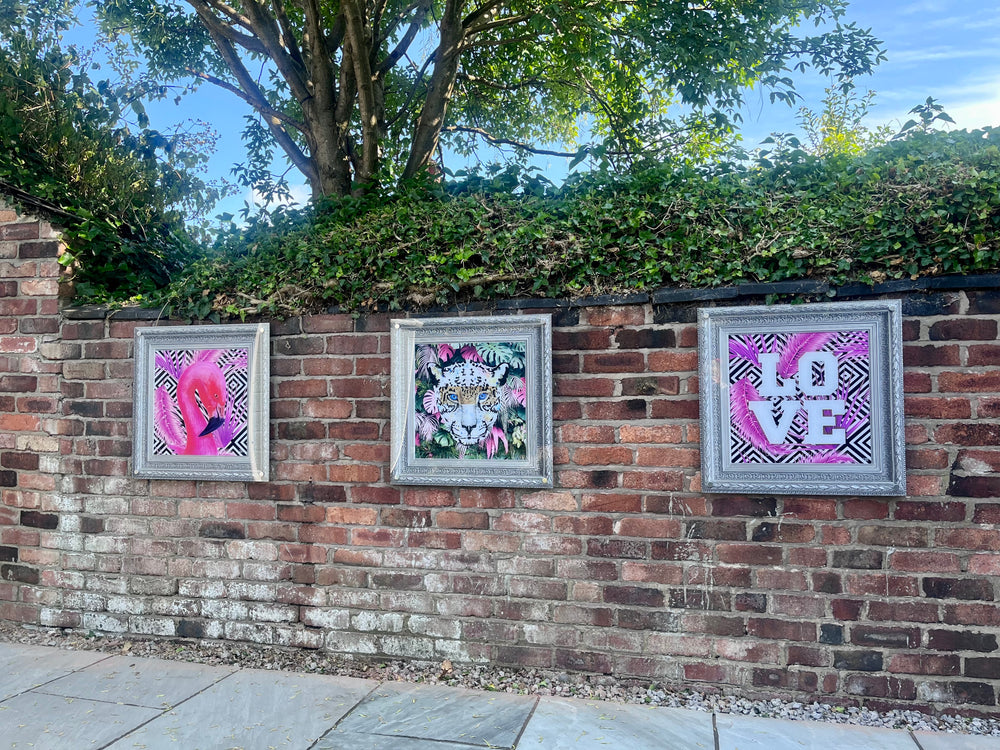
Art fixes that quickly because it introduces scale, color, and intention. A large statement piece can anchor a lounge area the same way artwork anchors a living room. A series of panels can stretch a narrow side yard and make it feel curated rather than forgotten. Even a compact print can soften the repetition of fence boards and bring personality to a quiet corner.
This matters most in outdoor spaces that are designed for entertaining. Guests notice the vertical surfaces as much as the furniture. If your garden is meant to feel finished, layered, and memorable, the fence cannot be an afterthought.
Choosing outdoor wall art for fences without guesswork
The best starting point is not the art itself. It is the role the fence plays in your space. A fence behind a dining set needs a different kind of artwork than a fence at the end of a garden path.
If the fence is the main backdrop to your seating area, go bigger than you think. Small pieces often disappear outdoors because they compete with open sky, planting, and furniture. A larger panel or a bold design gives the eye somewhere to land and makes the area feel intentional.
If the fence runs along the side of a yard, repeated pieces or a clean series usually work better than one isolated print. This creates rhythm and makes a long boundary feel designed rather than empty. For compact patios or courtyards, one strong focal piece is often enough. Too many competing elements can make a smaller space feel busy.
Style matters, but scale matters more than many buyers expect. A beautiful design can still underperform if it is too small for the wall.
Match the art to the mood of the space
The most successful outdoor art feels connected to the setting around it. A modern patio with clean-lined furniture usually suits abstract work, monochrome pieces, or graphic compositions. A softer garden setting often pairs naturally with botanical designs, vintage-inspired art, or pieces with more texture and warmth.
Boho styles can loosen up structured spaces, while street art or bold contemporary work brings edge and contrast to more minimal exteriors. Equine and nature-led imagery can create a strong sense of character, especially in garden rooms or larger properties where the outdoor area is meant to feel expressive rather than purely polished.
There is no single right answer here. The better question is whether you want the art to blend with the planting and furniture or deliberately stand apart from it. Both can work. A cohesive palette feels calm and elevated. A contrast piece feels dramatic and more editorial.
Material is where outdoor performance is won or lost
This is the point many people get wrong. They choose something based on appearance, then hang it outside and hope for the best. Standard indoor prints, untreated canvases, and lightweight decorative signs often fade, warp, peel, or simply look worn far too quickly.
For fence display, material is not a detail. It is the entire difference between art that lasts and decor that becomes a problem. Outdoor-grade acrylic is a particularly strong option because it offers crisp visual impact while standing up to real exterior conditions. It resists water better than many traditional materials, keeps its finish, and delivers color with a cleaner, more premium look.
UV resistance matters just as much as water resistance. A sunny fence can be unforgiving, especially in yards with little shade. If the artwork is not designed for outdoor exposure, the colors can lose their strength surprisingly fast. That faded look is hard to ignore once it starts.
Durability should never come at the expense of design. The strongest outdoor wall art pieces are engineered for weather but still read as proper artwork, not utility decor. That combination is what makes them feel worth displaying.
Best places to use outdoor wall art for fences
Some fence locations have more design potential than others. The fence directly behind a sofa set or outdoor dining table usually gives the fastest payoff because it becomes part of the room-like structure of the space. Add art there and the yard immediately feels more finished.
Poolside fences also benefit from artwork, especially if the surrounding materials are simple stone, concrete, or timber. A weatherproof piece can break up hard surfaces and add warmth without introducing maintenance-heavy accessories.
Smaller zones deserve attention too. An art panel at the end of a narrow passage can draw the eye outward and make the yard feel deeper. A piece placed above a bench creates a destination. A blank fence beside a grill station or outdoor kitchen can help that zone feel integrated with the rest of the yard instead of purely practical.
When one piece is enough and when it is not
A single oversized artwork often works best when you want a strong centerpiece. It simplifies the space and creates impact fast. This is especially effective in modern patios, courtyards, and compact entertaining areas.
Multiple pieces make more sense when the fence is long or broken into sections. Repetition can give structure to a larger boundary and help connect different activity zones. The trade-off is that a grouped arrangement needs more planning. Spacing, alignment, and visual balance matter more when several pieces share one wall.
If you are unsure, it is usually safer to under-style than overfill. Outdoor spaces look better when the art has room to breathe.
Installation should feel simple, not stressful
People often assume outdoor art will be difficult to hang securely, but that depends on the product. Pieces designed for exterior display are generally much easier to work with because they are made with practical installation in mind.
Fence type does affect the setup. Timber fences are usually straightforward, while masonry or composite surfaces may require different fixings. Wind exposure also matters. A sheltered courtyard and an open coastal yard place very different demands on anything mounted outside.
What buyers really want is reassurance that the transformation will not turn into a weekend project gone wrong. Easy installation has value because it removes hesitation. If a piece is lightweight enough to handle, built for outdoor use, and designed to mount cleanly, it becomes much easier to say yes.
What makes fence art look premium instead of generic
The difference usually comes down to finish, imagery, and confidence. Generic outdoor decor often tries to blend in too much. It fills space, but it rarely defines it.
Premium outdoor art does the opposite. It brings clarity to the overall scheme. The colors feel intentional, the print quality looks sharp, and the material holds up closely as well as from a distance. That matters because fence art is often viewed both from the patio and from inside the home through windows and doors.
This is where specialist brands have an edge. YARDART UK, for example, treats outdoor styling as seriously as indoor decor, with weatherproof acrylic pieces that are designed to deliver both decorative impact and long-term performance. That specialist focus shows in the end result.
The smartest way to shop for fence art
Start with the wall, not the product grid. Measure the space, think about viewing distance, and decide whether the piece should be a backdrop or a focal point. Then choose a style that supports the mood you want the yard to have.
Once you narrow the visual direction, pay close attention to outdoor suitability. Weather resistance, UV protection, and easy mounting should not be bonus features. They should be built in. If they are not, the artwork may look good on day one and disappoint later.
A fence is too visible to waste on filler decor. Give it something with presence, and the whole yard starts to feel more finished, more personal, and far more considered. The right artwork does not just decorate the boundary - it changes how the space lives.


Leave a comment