

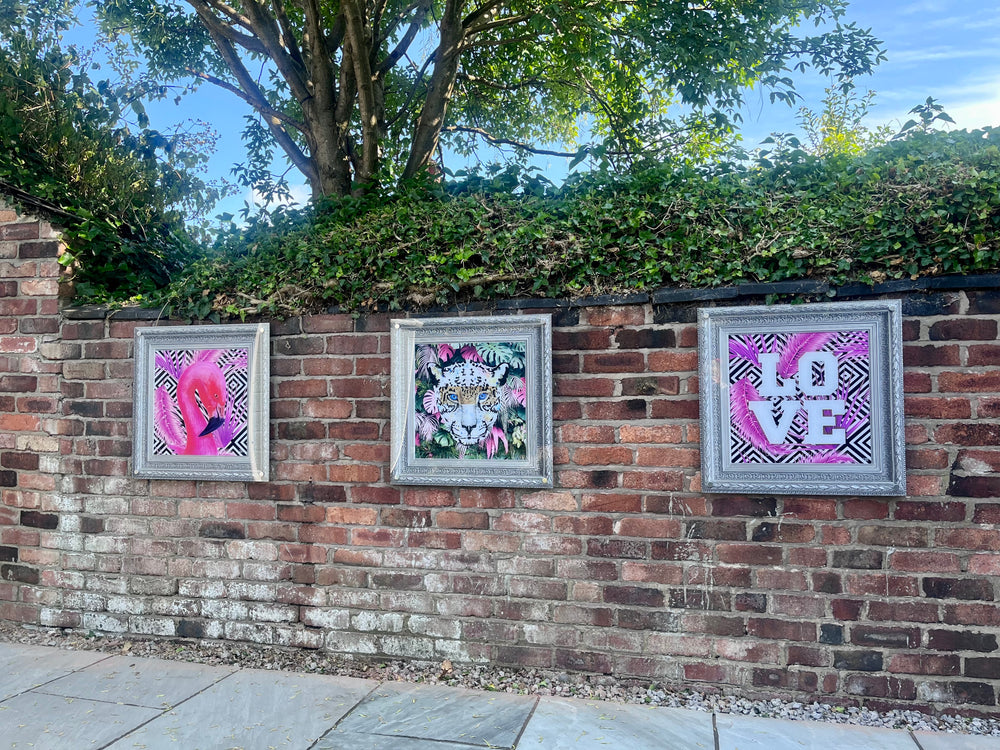
Outdoor Wall Art for Patio Dining That Sets the Scene
A beautifully laid dining table can lose its impact when it sits against a blank brick wall, tired fence or overlooked courtyard corner. The right outdoor wall art for patio dining changes the whole view. It gives guests something to enjoy before the first drink is poured, frames the table as a destination and makes your garden feel considered long after the plates are cleared.
Patio dining is not simply about putting furniture outdoors. It is about creating an atmosphere that feels as personal and inviting as the rooms inside your home. Art brings that final layer: colour, scale and a sense of occasion, designed to withstand the changing British weather.
Start With the View From the Table
The most effective place for outdoor art is usually the wall your guests naturally face while seated. Stand at the head of the table, then sit in each chair if you can. This small check reveals whether a particular panel will act as a focal point, disappear behind planting or compete with a busy backdrop.
A single statement piece works particularly well behind a compact bistro set or dining bench. It creates a clear visual centre without crowding the patio. For larger terraces, a pair of complementary artworks can bring balance to a long exterior wall and give the dining area a more architectural feel.
Think beyond the wall directly behind the table, too. An artwork positioned at the end of a sightline can draw the eye through the garden, making a modest patio feel more generous. In a courtyard, it can soften an enclosed boundary and replace an unremarkable view with something intentional.
Choose Outdoor Wall Art for Patio Dining by Mood
The art you choose should support the type of entertaining you want the space to encourage. A patio used for slow weekend lunches needs a different energy from one designed for evening cocktails or lively family suppers.
Botanical and coastal designs for relaxed gatherings
Botanical artwork is a natural choice where you want dining to feel connected to the garden. Leafy forms, florals and soft organic shapes sit comfortably beside climbers, pots and herb planters, especially when the planting is still establishing. They introduce colour without making the setting feel overly formal.
Coastal-inspired imagery can bring a light, holiday-at-home feeling to sunny patios. Pale blues, sandy neutrals and sea-washed tones work beautifully with timber, rattan-effect seating and linen table settings. This approach is especially effective if your garden already has an open, airy palette.
Abstract art for contemporary patios
A modern patio with clean-lined furniture, rendered walls or porcelain paving benefits from art with confidence. Abstract outdoor wall art can introduce movement and colour where the rest of the scheme is deliberately restrained. It also gives you greater freedom: rather than trying to match every flower or cushion, you can choose a piece for its overall mood.
Look for colours that echo one or two existing details, such as the cushions, outdoor rug or glazed planters. A hint of terracotta can warm grey paving, while deep green, ink blue or charcoal creates definition against pale walls.
Vintage, boho and street-inspired pieces for personality
If your patio is layered rather than minimal, expressive art can pull the look together. Vintage-inspired artwork adds charm to brick walls and weathered timber, while boho designs suit relaxed seating, patterned textiles and abundant planting. Street-inspired pieces make a strong choice for urban gardens where you want the exterior to feel energetic, original and unmistakably yours.
The trade-off is visual intensity. If the furniture, cushions and tableware are already colourful, choose art with a more focused palette. If the dining set is simple, a bolder piece can do more of the decorative work.
Get the Scale Right Before You Commit
Scale is where many outdoor decorating schemes fall short. Artwork that is too small can look like an afterthought on a broad wall. Artwork that is too large may dominate a narrow patio and make the seating area feel compressed.
As a useful guide, aim for art that spans around half to two-thirds of the width of the dining table or the wall zone you want to define. Above a table set against a wall, leave enough breathing space around the piece for it to read clearly. It should feel connected to the dining area, not squeezed into it.
Before ordering, mark the proposed size on the wall with painter's tape or cut paper. View it from inside the house as well as from the seating area. Outdoor art is often visible through patio doors, so it has the potential to improve the view from indoors as well.
For a large blank boundary, consider creating a gallery-style arrangement with two or three pieces from a related collection. Keep spacing consistent and use a shared element, such as colour, subject or framing proportion, to make the grouping feel curated rather than accidental.
Prioritise Materials Made for Real Weather
Patio dining art has to cope with more than a few warm afternoons. Rain, UV exposure, changing temperatures and splashes from watering cans can quickly spoil decorative pieces made for indoor use. A design may look perfect on day one, then fade, warp or deteriorate once it has faced a season outdoors.
Outdoor-grade acrylic artwork is made for the job. It offers vivid digitally printed detail with a smooth, contemporary finish, while its weather-resistant qualities make it a reliable option for exposed walls. UV and water resistance matter because they protect both the colour and the overall appearance, allowing the artwork to remain a feature rather than becoming another maintenance task.
Placement still matters. A covered dining patio gives you more freedom with colour and positioning, while an exposed wall calls for artwork designed to perform in direct sun and rain. If your wall is prone to damp or receives little natural light, make sure the surface is clean and sound before installation.
Build a Colour Story That Works All Year
Outdoor dining spaces change dramatically through the seasons. Summer planting may be full and colourful, while winter can leave more exposed paving, bare branches and quieter borders. Your art should earn its place in both conditions.
Rather than matching a single set of cushions or one flowering plant, choose a palette that has a longer life. Rich greens, warm ochres, coral, teal and earthy neutrals tend to hold their own across the year. They can complement spring foliage, summer flowers and autumnal tones without looking out of place once the garden is resting.
If your patio is shaded, brighter artwork can stop the area feeling flat. On a sun-drenched wall, darker tones or high-contrast designs may create more impact. There is no fixed rule: the best choice depends on the amount of light, the wall colour and how much visual activity already surrounds the table.
Make Evening Dining Feel More Designed
Art does not disappear when the sun goes down. In fact, it can become even more effective when paired with considered lighting. A soft wall light, nearby festoon lighting or a warm pool of illumination from a lantern can bring out colour and texture while making the dining area feel more intimate.
Avoid placing a harsh, direct light immediately in front of glossy surfaces, as it can create glare from certain seats. Instead, use angled or diffused lighting that grazes the wall and adds atmosphere without turning the artwork into a spotlighted display.
This is also where a bolder design pays off. A striking abstract, rich botanical or graphic vintage piece can give the patio presence after dark, when flowers and foliage are less visible.
Keep Installation Simple and Deliberate
Great outdoor art should feel effortless once it is in place. Measure carefully, use fixings suitable for your wall type and position the piece at a height that works for seated guests rather than treating it exactly like indoor hallway art. The centre of the artwork should generally sit comfortably within the eyeline of someone at the table.
Leave practical clearance around dining chairs, opening doors and pathways. If guests are likely to brush past the wall, choose a location slightly away from the busiest route. The goal is to make the patio feel styled, not obstructed.
YARDART UK creates outdoor-grade acrylic wall art for homeowners who want this decorative impact without compromising on performance. A well-chosen piece can turn an ordinary exterior wall into the detail that makes guests pause, look around and decide to stay for one more drink.
The finishing touch is simple: choose art that makes you want to set the table, even when nobody is coming round. That is when a patio becomes part of the home rather than a space you only use when the weather behaves.


Leave a comment