

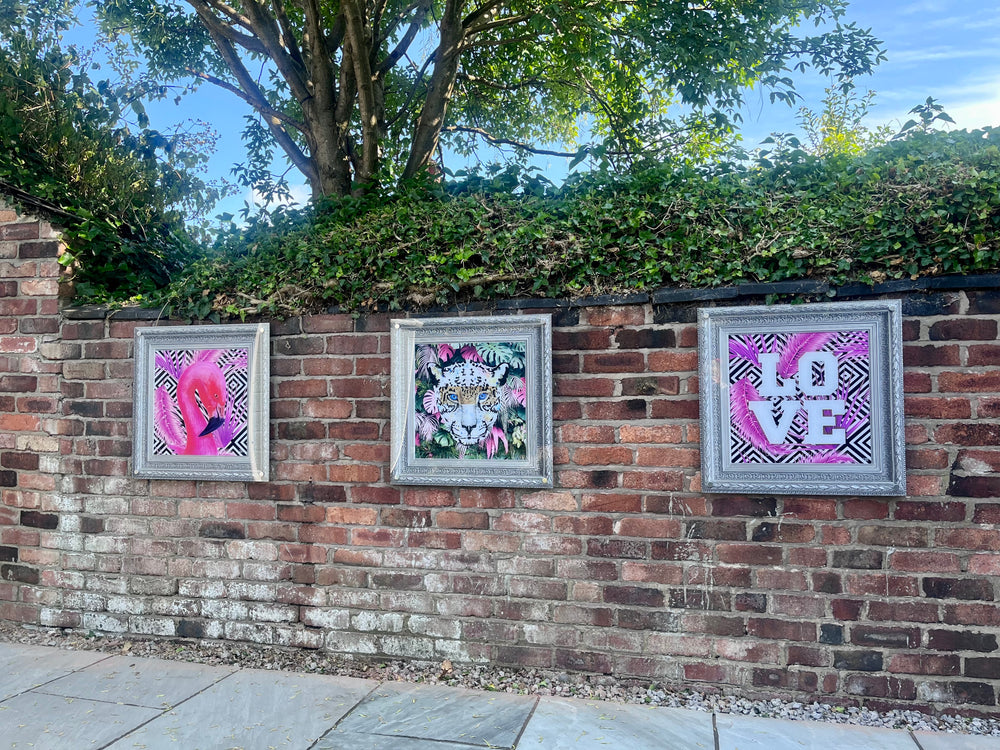
Patio Artwork Ideas for a More Designed Garden
A bare patio wall can make even the best garden furniture look temporary. The right patio artwork changes that immediately, giving the space a focal point, a sense of intention and the finished feel usually reserved for interiors. Whether your patio is made for slow weekend breakfasts, family suppers or late-evening drinks, art gives it a point of view.
Outdoor walls are often large, visible and strangely overlooked. Once you treat them as part of the scheme rather than a boundary to hide, they become one of the most effective design tools in the garden.
Start with the wall, not the artwork
Before choosing a style, look at what the wall is already doing. A warm brick surface, pale rendered wall, dark timber fence and painted garden room each create a different backdrop. Artwork does not need to match every material around it, but it should either complement the existing tones or provide a deliberate contrast.
A charcoal or black exterior can carry bright botanical colour, graphic street-inspired work or a bold abstract piece beautifully. On creamy render or pale fencing, a vintage print, soft coastal palette or muted boho design may feel more relaxed. Brick is often at its best with artwork that has clear shapes and confident colour, so the pattern does not disappear into the texture.
Also consider where the eye naturally lands when you step outside. The wall opposite the back doors, the end of a dining area or the space above an outdoor sofa are prime positions. Patio artwork works hardest when it gives the seating area a visual centre, rather than being placed in a forgotten gap simply because there is wall space available.
Choose patio artwork at the right scale
Scale is where outdoor styling often goes wrong. A small piece on a wide wall can look tentative, particularly once plants, pots and furniture are in place. Gardens are open, so artwork needs enough presence to be seen from the house as well as from the patio itself.
For a generous blank wall, one oversized statement piece is usually stronger than several small designs. It feels clean, modern and purposeful. If you have a long, low wall, two or three coordinating pieces can create a gallery effect, provided they have a clear connection in colour, subject or framing.
There is no single measurement that suits every patio. A compact courtyard may need one carefully positioned medium-sized piece, while a broad entertaining space can comfortably take large-format art. As a useful visual check, stand at the door you use most often and view the wall from there. If the artwork appears timid at that distance, consider sizing up.
Give art room to breathe
Do not crowd a feature piece with hanging baskets, tall planters or competing signs. Plants add softness and movement, but the artwork needs a clear outline to make its impact. Leave a little negative space around it, then use lower planting or pots to anchor the composition beneath.
This is particularly useful on fences and rendered walls, where art can otherwise appear to float. A pair of sculptural grasses, clipped evergreens or leafy containers below the piece can make the whole arrangement feel settled without obscuring the design.
Select a style that extends your outdoor personality
The most successful patios feel connected to the home without becoming overly coordinated. Think of outdoor art as a way to carry your favourite interior mood outside: expressive, calm, playful, collected or refined.
Abstract artwork is a strong choice for contemporary patios and architectural gardens. It can introduce colour without demanding a literal theme, and it works especially well beside clean-lined furniture, porcelain paving and simple planting. Look for tones that repeat elsewhere, perhaps the blue of seat cushions, terracotta pots or olive-green foliage.
Botanical and floral designs create a natural continuation of the garden, particularly where planting is still developing or where a paved courtyard needs softness. They can be lush and colourful, or more restrained in monochrome and muted green. A botanical design is often an easy bridge between a traditional property and more modern outdoor furniture.
Vintage artwork brings character to sheltered dining corners, cottage gardens and patios with aged stone or reclaimed details. Equine pieces can add drama and a sense of heritage, while boho artwork suits relaxed spaces layered with textured planters, lanterns and informal seating. For homeowners who prefer a sharper urban edge, graphic and street-inspired designs can turn a plain wall into a genuine statement.
The key is confidence. Choose one dominant mood, then let cushions, containers and tableware support it rather than compete with it.
Weatherproofing is part of the design decision
A patio is not an indoor room with a roof removed. Sun, rain, frost, wind and airborne dirt test every surface outside, which is why ordinary prints and decorative materials often fade, warp or lose their finish far too quickly.
Purpose-made outdoor wall art is designed for these conditions. Outdoor-grade acrylic offers a polished, contemporary surface while helping artwork retain its colour and clarity through changing weather. UV resistance matters on bright, south-facing walls, where prolonged sunlight can quickly dull less suitable decoration. Water resistance matters everywhere in the UK, including covered patios where wind-driven rain still finds its way in.
A weatherproof finish also makes maintenance pleasingly simple. Instead of treating the piece as something fragile, you can wipe away dust or garden splashes as needed and enjoy the wall throughout the year. That practicality gives you more freedom to place art where it will have the greatest visual effect, not merely where it is least exposed.
Position it for comfort, light and longevity
Placement affects how artwork looks as much as the design itself. Hang a piece at a height that feels natural from a seated and standing position, usually around eye level when viewed from the main patio area. Above a sofa or dining set, leave enough space so the composition feels connected but not cramped.
Take note of reflections before installation. Glossy surfaces can look striking in daylight, yet a wall that receives direct low sun may benefit from a slightly adjusted angle or position. This does not mean avoiding bright areas altogether. It simply means checking the view at the time you are most likely to use the patio.
Lighting can extend the effect into the evening. Soft wall washing or carefully directed garden lighting will reveal the colours and shapes without creating harsh glare. If your aim is a calm dining setting, warm light tends to flatter natural tones and planting. For a more graphic, contemporary look, a cleaner light can emphasise bold artwork and architectural lines.
Installation should feel straightforward
The best decorative upgrade is one you can enjoy quickly. Before fitting your artwork, make sure the wall is sound, clean and suitable for the chosen fixings. Measure carefully, use a level and consider the viewing line from the house and seating area rather than relying only on the wall’s centre point.
If you are arranging more than one piece, lay out the spacing before committing. A consistent gap creates a composed result. It is worth taking an extra few minutes here: neat alignment is what makes a pair or trio look curated rather than improvised.
Build a patio that feels finished in every season
Outdoor art is not only for high summer, when planting is at its fullest. In fact, it becomes even more valuable in early spring, autumn and winter, when borders are quieter and the garden can feel less defined. A strong piece of art holds colour and interest when the weather changes.
That makes it a particularly smart choice for patios visible from the kitchen, dining room or living area. The garden remains part of the view, even on days when you are not sitting outside. Rather than looking onto a blank wall, you see a considered outdoor setting with depth and personality.
For a patio that feels genuinely designed, choose artwork with enough scale to hold the wall, a style that reflects your home and materials built to stay beautiful outdoors. A single well-chosen piece can be the detail that makes you look at your garden differently - and want to spend more time in it.


Leave a comment