

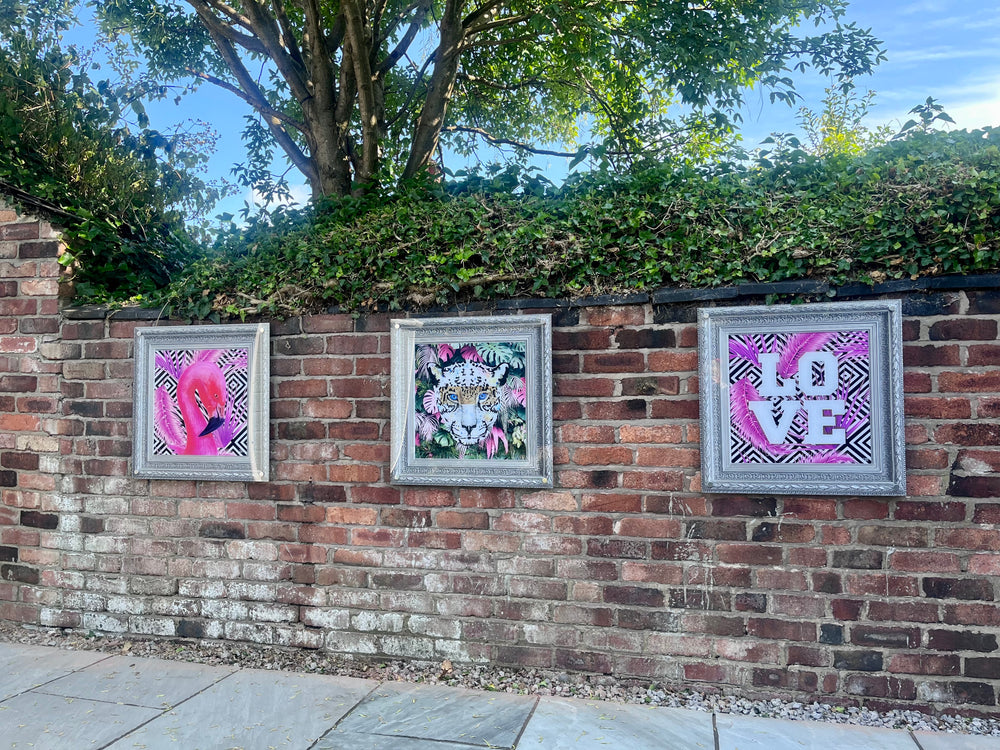
Patio Decor Ideas That Make Outdoor Walls Work
A patio can have beautiful paving, comfortable seating and planting in every pot, yet still feel unfinished. The usual reason is at eye level: bare walls, fences and overlooked corners. Thoughtful patio decor gives an outdoor room its focal point, personality and sense of occasion - especially when the details are made to withstand real weather.
Start Patio Decor With the View You Want to Create
Before choosing cushions, lanterns or artwork, stand at the threshold of your home and look out. What do you see first? A blank boundary wall, a functional fence, a compact courtyard or a wide entertaining area? This first view should guide the decorative choices that follow.
Treat the patio as an extension of the room beside it, rather than a separate zone that only comes alive in summer. A contemporary kitchen with clean lines may call for a large abstract piece and structured planters. A relaxed garden room might suit botanical artwork, layered textiles and softer lighting. The aim is not to make everything match perfectly. It is to create a visual connection that feels deliberate.
Start with one strong focal point. In many gardens, this will be the wall behind the dining table, the fence opposite the patio doors, or the end wall of a narrow courtyard. Once that area has purpose, the rest of the space is far easier to organise around it.
Give Blank Walls a Proper Role
Outdoor walls are often treated as background, even though they offer some of the greatest decorative potential in a garden. A single statement artwork can change the scale of a patio, drawing the eye beyond the furniture and making the space feel more complete.
For open, contemporary patios, bold abstract art brings energy without adding clutter. Graphic street-art-inspired designs can give a social area a more urban edge, while botanical imagery feels natural alongside foliage without disappearing into it. Vintage-inspired prints work particularly well near brickwork, painted render or traditional planting, adding character without making the garden feel themed.
Scale matters more than people expect. A small piece on a long fence can look lost, particularly when viewed from indoors. One generously sized artwork, or a balanced pair, usually creates more impact than several tiny decorative objects. In a compact courtyard, however, a single vertical design can introduce height and make the walls feel less enclosing.
Choose artwork made specifically for outdoors. Indoor prints, paper posters and untreated decorative panels may look appealing at first, but rain, moisture and sunlight quickly expose their limitations. Outdoor-grade acrylic artwork is designed for the job: visually crisp, water-resistant, UV-resistant and easy to install. It allows you to bring the colour and polish of interior art into a setting where weather is part of everyday life.
Build a Palette That Works With the Garden
Patio decor does not need to copy the colours already present outdoors. In fact, a little contrast can make planting look richer. The key is choosing a palette with a clear relationship to the surrounding materials.
If your patio has pale stone, grey composite decking or white render, deep blue, charcoal, terracotta and botanical greens can ground the area. Warm brick, timber and sandstone are lifted by cobalt, sage, ochre or soft blush tones. For a bolder look, select one colour from the artwork and repeat it once or twice in cushions, plant pots or tableware.
Avoid trying to coordinate every item. Gardens change throughout the year, and a scheme that is too rigid can feel flat once plants flower, fade or are moved. Instead, establish two anchor colours and let foliage, seasonal flowers and natural textures do the rest. This gives the patio a designed feel while keeping it relaxed enough for outdoor living.
Layer Comfort Without Filling Every Corner
A well-styled patio needs comfort, but it also needs room to move, serve food and enjoy the garden. The most successful spaces layer a few useful elements rather than adding decor to every available surface.
Begin with the furniture that earns its place. A dining set suits regular outdoor meals, while low seating and a coffee table create a more informal, lingering atmosphere. If space is limited, choose pieces that can work in more than one way, such as stackable chairs or a bench that doubles as occasional seating for guests.
Then soften the arrangement with outdoor cushions, a weather-ready rug and a throw stored nearby for cooler evenings. Texture is especially valuable in a patio with hard paving and smooth rendered walls. Woven finishes, timber, ceramic planters and tactile fabrics prevent a scheme from feeling clinical.
Be selective with accessories. A tray on an outdoor table, a sculptural planter and a few well-placed lanterns can look considered. Too many small pieces tend to make a patio feel busy, and they create more to bring in before wind or rain. Let the larger design elements - furniture, planting and wall art - do the visual work.
Use Lighting to Keep the Space Alive After Sunset
Lighting should make a patio usable, not merely brighter. The most inviting schemes combine a practical source near doors or steps with softer layers around seating and dining areas.
Warm-toned wall lights can define the edge of the house, while portable lamps or lanterns create intimacy on a table or beside a chair. Festoon lights work beautifully over a sheltered dining area, but they need a clear purpose and tidy fixing points. Randomly draped lights can distract from a carefully chosen focal wall.
Think about how light will fall on your outdoor artwork, too. Gentle side lighting can make a statement piece visible after dusk without creating glare. If the patio is exposed, choose fittings suitable for exterior use and position them where they will not interfere with conversations or views across the garden.
Match the Decor to How You Actually Use the Patio
A patio designed for slow Sunday lunches will look different from one built around evening drinks, family life or a quiet morning coffee. This is where good styling becomes practical rather than purely decorative.
For entertaining, create a clear route between the house, seating and serving area. Make the wall behind the main table the visual centre, then keep surfaces free for glasses and food. For a smaller retreat, concentrate on a comfortable chair or compact bistro set, a planted backdrop and one expressive piece of outdoor art. A focused composition can make even a modest patio feel intentional.
If children or pets regularly use the garden, favour durable finishes and wall-mounted decor over fragile objects at ground level. If the patio is particularly exposed to wind, avoid lightweight accessories that need constant rescuing. A good outdoor scheme should be easy to enjoy, not another maintenance task.
Choose Weatherproof Pieces With Confidence
Outdoor decor faces more than rainfall. Strong sunlight can fade colours, frost can stress materials and damp can leave surfaces looking tired. Investing in items designed for exterior conditions pays off because the patio continues to look polished beyond its first season.
Look for clear information on UV resistance, water resistance and installation. Outdoor wall art should retain its colour, be simple to secure and sit confidently against the wall rather than feel like a temporary addition. This is where a purpose-made piece from a specialist such as YARDART UK earns its place: the design statement is paired with materials intended for outdoor living.
There is still a balance to strike. Even durable decor benefits from sensible positioning. If a wall receives relentless direct sun, richer and darker designs may be preferable to very pale tones that can show glare. In a sheltered corner, you have more freedom to use layered lighting and softer furnishings. The best choices depend on the aspect, exposure and daily rhythm of your particular space.
Make the Patio Feel Finished, Not Over-Styled
The final edit is often what makes a patio feel expensive and calm. Step back from the garden and remove anything that has no practical use, no visual purpose or no connection to the overall scheme. Leave breathing room around your focal wall and allow planting to frame, rather than conceal, the pieces you have chosen.
A patio becomes memorable when it reflects the people who use it: a favourite colour, an artwork with real presence, a dining setting that encourages guests to stay a little longer. Give the walls the same creative attention as the room indoors, and the garden will feel like somewhere you want to spend time in every season.


Leave a comment