Printed Acrylic vs Aluminium Outdoor Decor
A blank garden wall can make even a beautifully planted patio feel unfinished. When comparing printed acrylic vs aluminium outdoor decor, the decision is not simply about choosing a material that survives the rain. It is about the finish, colour depth and visual character you want to bring to the space you have worked hard to create.
Both materials can be used outside, and both offer a far more considered alternative to short-lived seasonal decorations. Yet they create distinctly different results. Acrylic brings a polished, gallery-like presence and exceptional image clarity, while aluminium often delivers a flatter, more industrial-looking printed surface. The right choice depends on your wall, your style and how you want your outdoor living area to feel.
Printed acrylic vs aluminium outdoor decor: the visual difference
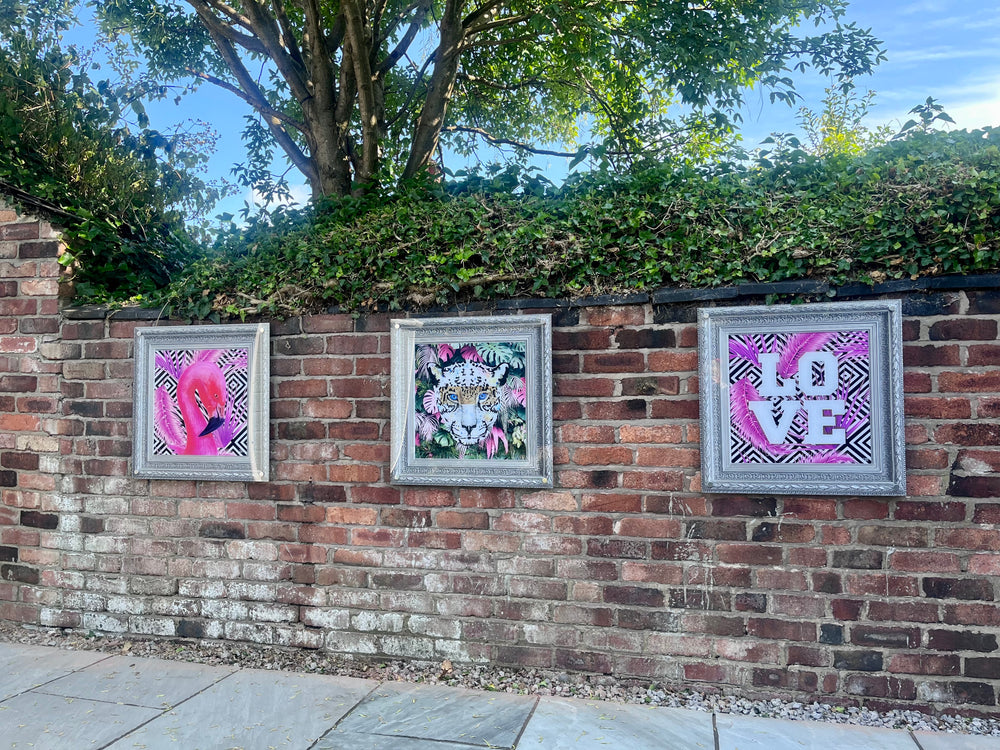
The most immediate difference is in the image itself. Outdoor-grade printed acrylic has a glossy, luminous quality that gives artwork real depth. Colours appear rich, fine details stay crisp and the surface catches changing daylight in a way that makes the piece feel alive. A botanical print can look wonderfully fresh beside planting, while an abstract design can bring a confident focal point to a contemporary terrace.
This effect is particularly valuable on walls that need more than a finishing touch. A large acrylic artwork can turn the plain side of a garage, a sheltered courtyard wall or the backdrop to an outdoor dining area into part of the design scheme. Rather than simply filling empty space, it creates a visual destination.
Printed aluminium has a different personality. Depending on the product and print process, it may have a matt, brushed or subtly reflective finish. It can suit pared-back architecture, monochrome schemes and spaces where a cooler, more understated look is the aim. Colours can still be strong, but they generally do not carry the same glass-like depth associated with acrylic.
Neither look is automatically better. If your garden is built around clean lines, pale render and minimal planting, aluminium may complement that restrained direction. If you want your chosen artwork to feel expressive, colourful and deliberately decorative, acrylic usually makes the stronger statement.
How each material handles British weather
Outdoor art needs to cope with more than the occasional shower. In the UK, it may face prolonged rain, winter frost, low sun, summer heat and the build-up of dirt from nearby planting. The quality of the material, inks, coatings and fixings matters at least as much as the material named on the product description.
Acrylic made specifically for exterior display is water-resistant and UV-resistant, helping the artwork retain its colour and finish through changing seasons. It does not absorb moisture in the way untreated wood or paper-based decor can. Its smooth, non-porous face is also easy to keep looking smart: a soft cloth, water and mild soap are normally all that is needed to remove dust or garden marks.
Aluminium is naturally resistant to corrosion, which makes it a sensible candidate for outdoor use. However, not every aluminium print is constructed in the same way. Some are printed directly onto coated aluminium panels, while others use composite boards or layered finishes. The durability of the image depends on the print quality and protective coating, particularly where the panel is exposed to strong sun, driving rain or salty coastal air.
For either material, avoid assuming that “weatherproof” means indestructible. A quality exterior-rated piece should withstand normal outdoor life beautifully, but it still deserves sensible placement. Do not allow sprinklers to hit it continuously, and use appropriate fixings for the wall rather than treating art as a temporary garden accessory.
Sun exposure and colour retention
Sunlight is where a purpose-made outdoor print earns its place. Interior prints, even when framed, are not designed for direct UV exposure and may fade quickly outside. Exterior-grade acrylic artwork uses UV-resistant printing and materials to protect the artwork’s colour over time.
Aluminium pieces can also offer strong UV performance when produced to a high specification. The practical question is whether the supplier clearly states that the artwork is intended for permanent outdoor display, rather than simply being suitable for a covered balcony or occasional use. A south-facing wall asks more of every decorative surface.
If your garden receives intense afternoon sun, choose a design with colours you will still enjoy as they mellow naturally with the landscape. Deep blues, greens, earthy tones and graphic black-and-white compositions can look especially assured outdoors. With well-made acrylic, vivid colour is also a realistic choice rather than a compromise.
Finish, reflection and placement
Acrylic’s shine is part of its appeal, but it is worth considering where that sheen will sit. In bright, open gardens, the surface may reflect sky, foliage and light at certain angles. This does not usually diminish the artwork - it can make it feel integrated with its surroundings - but it is a detail to plan for.
Before fitting, stand where guests will most often see the wall: from the dining table, the back door, a favourite chair or the end of the lawn. If the wall receives very direct, low evening sun, moving the piece slightly or choosing a position with more even light can improve the view. A protected patio, pergola wall or side return often gives glossy artwork an especially luxurious presence.
Aluminium often has a quieter surface response, especially in matt finishes. It can be a practical option for highly exposed walls where glare would distract from the image. It also works well when the artwork is intended to sit back within a wider architectural scheme rather than become the centrepiece.
Scale matters just as much as surface. Outdoor walls are larger than most interior walls, and a small print can disappear once surrounded by paving, fencing and planting. Choose a size that gives the image enough authority from the distance it will be viewed. One generously sized piece often looks more considered than several small pieces scattered across a wall.
Installation and everyday care
The best outdoor decor should feel exciting to choose, not difficult to live with. Printed acrylic is relatively straightforward to install when supplied with suitable mounting hardware and clear instructions. Its clean edges and contemporary profile create a floating effect against brick, render, timber or masonry, keeping the focus on the artwork rather than the mechanics of hanging it.
Always match the fixings to the surface. Brick and solid masonry require different plugs and screws from timber fencing or cladding. If you are mounting on a fence, check that the structure is sound and stable first. A substantial artwork needs a secure base, especially in an exposed garden where wind can place extra pressure on fittings.
Aluminium panels are also generally lightweight and manageable, though their edges and corners can be more prone to visible dents if knocked during installation or while moving garden furniture. Acrylic is not immune to scratching, so use a soft cloth for cleaning and avoid abrasive pads. In both cases, a little care protects the premium finish.
For everyday maintenance, remove loose dirt gently and clean only when necessary. This is art for outdoor living, not another demanding garden job. A quick wipe after a dusty spell or a splash from the barbecue area is usually enough.
Choosing the material for your garden style
Your material choice should support the mood you are creating. Acrylic is a natural fit for gardens designed as extensions of the home: styled patios, outdoor kitchens, poolside walls, entertaining spaces and courtyards where colour and personality are central. It pairs beautifully with textured planting, warm timber, rattan, stone and modern exterior finishes because its polished surface adds contrast.
It is also ideal when the artwork is the main event. A vintage travel-inspired scene, expressive equine image, street-art print or large-scale floral design gains impact from acrylic’s clarity and depth. For homeowners who have invested in furniture, lighting and landscaping, it gives the wall the same considered finish as the rest of the space.
Aluminium may suit a more restrained brief. Think streamlined balconies, industrial-inspired courtyards, contemporary garden studios or minimal exterior schemes where subtle texture matters more than visual richness. It can be an effective choice when you want art present, but not dominant.
Budget can influence the decision too, although the initial price is only part of the value. Consider how long the piece is expected to stay in place, how central it is to the garden design and whether the finish feels special enough for the wall it will occupy. A statement artwork that still looks right after several seasons is often a more satisfying purchase than a cheaper option that soon feels tired.
The choice that makes the wall feel finished
For many outdoor spaces, printed acrylic offers the more decorative, high-impact result: vivid artwork, a refined glossy finish and the reassurance of exterior-ready performance. It is designed for the homeowner who sees a garden wall not as a boundary, but as an opportunity.
Aluminium has its place when a quieter, more architectural finish better suits the setting. But if your aim is to bring colour, character and a genuine sense of occasion to the patio or garden, choose the material that makes you look twice when you step outside. The right artwork should make the outdoors feel every bit as considered as the room behind the door.


Leave a comment