Street Art Garden Decor for Blank Outdoor Walls
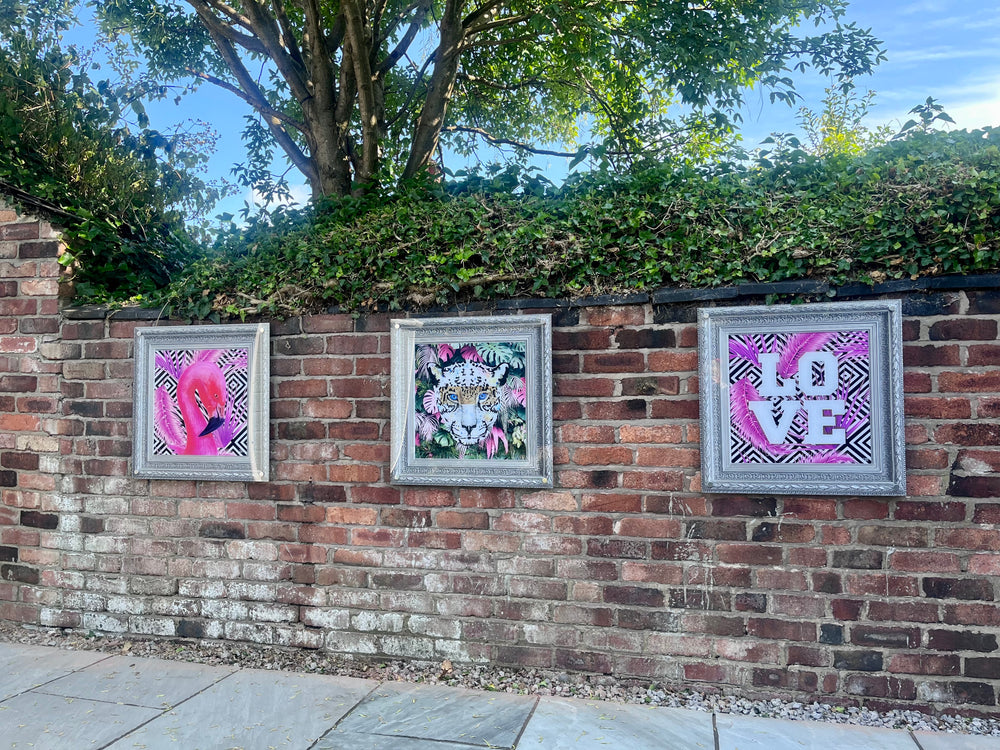
A plain garden wall can make an otherwise thoughtful outdoor space feel unfinished. Street art garden decor changes that instantly, bringing the energy, scale and personality of a city mural into the place you relax, entertain and spend time outside. The right piece does more than fill a gap. It gives a patio, courtyard or garden seating area a clear point of view.
Street-inspired artwork is especially effective outdoors because gardens already have texture: weathered timber, stone, brick, foliage and changing light. Bold graphic marks and expressive colour create a deliberate contrast, turning a blank boundary into part of the design rather than something to hide.
Why street art garden decor makes an impact
Street art has a natural sense of confidence. It is playful, graphic and often unapologetically vivid, which makes it a strong choice for gardens that need more character. A large-scale artwork can visually widen a narrow courtyard, draw attention away from a tired fence or anchor an outdoor dining area that currently feels a little scattered.
This is not about making every surface loud. One well-chosen piece can create more impact than a collection of small decorative objects. Think of it as you would a statement artwork in a living room: it sets the mood, establishes the colour direction and makes the rest of the space feel considered.
The style also works across more than one type of garden. In a contemporary setting, abstract graffiti-inspired forms sit comfortably beside clean-lined furniture, porcelain paving and architectural planting. In a relaxed, eclectic garden, colourful murals and expressive portraits pair beautifully with rattan, patterned cushions, terracotta pots and abundant greenery. Even a traditional brick wall can take on a fresh new character when contrasted with modern artwork.
Start with the wall, not the artwork
The most successful outdoor art placement begins by looking at the space from where it is actually used. Stand at the dining table, by the back door or at the end of the garden path. Which wall is visible most often? Which area feels flat, empty or disconnected from the rest of the garden?
A fence at the far end of a small garden may need a single artwork that creates depth. A sheltered patio wall could take a more detailed design that rewards closer viewing. On a long boundary, consider whether one large image will create a stronger result than several pieces. In most cases, it will.
Scale matters. Artwork that is too small can disappear against a wide fence or wall, particularly once surrounding plants are in full growth. As a guide, choose a piece with enough visual weight to hold its own against the surface behind it. Leave some breathing room around the edges rather than trying to cover every available inch.
Height is equally important. Position art around eye level when viewed from the main seating or standing area, then adjust for the layout of the wall. Above an outdoor sofa or dining set, the artwork should feel connected to the furniture below, not stranded high above it. If it is being viewed from indoors through patio doors, check the sightline from inside too. A garden feature that works in both directions earns its place.
Work with the light you already have
Outdoor light changes throughout the day, and street-inspired art responds brilliantly to it. A bright wall in direct afternoon sun can handle a bolder, more saturated design. A shaded corner may benefit from artwork with lighter areas, strong contrast or a pale background that lifts the space.
Do not choose solely from a screen. Consider the colours already present in your garden: evergreen foliage, red brick, grey paving, warm timber or painted fencing. A piece does not need to match every tone. It should either pick up one or two existing colours or provide a deliberate contrast that feels intentional.
Choose a colour story with room to breathe
The appeal of street art often lies in its colour, but a successful scheme still needs restraint. Start with the dominant backdrop. Charcoal fencing, pale render, brick and natural timber all affect how colours read outdoors.
For a calm contemporary look, choose an artwork with a limited palette, perhaps black, white, grey and one confident accent such as cobalt, coral or yellow. Repeat that accent once or twice in planters, cushions or a painted bistro set. This creates connection without making the garden feel over-styled.
If you prefer a more expressive space, embrace a multi-coloured design but simplify the pieces around it. Let the artwork lead while furniture and accessories provide texture rather than competing pattern. Green planting is particularly useful here. Ferns, ornamental grasses, climbers and leafy shrubs soften strong graphic lines and make the art feel rooted in the garden.
There is also a case for monochrome. Black-and-white street art garden decor can bring edge and movement to a small urban garden without darkening it, especially against pale walls or light paving. It is a strong option when you want the attitude of street art but your wider scheme is neutral.
Make weatherproof performance part of the design decision
Outdoor artwork needs to look good after more than one sunny weekend. Rain, moisture, frost and UV exposure can quickly expose the difference between decor made for exterior use and pieces that were never designed to live outside.
Choose art produced on outdoor-grade materials with UV and water resistance, so colour remains crisp and the surface is able to cope with changing conditions. Outdoor-grade acrylic is a particularly polished choice for exterior walls: it gives printed artwork clarity and depth while offering the practical reassurance needed for garden display.
Placement still plays a part. A covered terrace may allow greater freedom, while an exposed wall needs a piece specified for full outdoor conditions. Keep sprinklers from repeatedly soaking the same area where possible, and make sure the wall is sound before installation. A clean, stable surface helps the finished piece sit neatly and keeps the overall effect premium.
Easy installation matters too. Garden upgrades are often built in stages, from new planting to furniture and lighting. Artwork that can be mounted simply means you can make a visible change without turning a weekend project into a major renovation. YARDART UK designs outdoor wall art with that balance in mind: statement-making visuals, made for real exterior living.
Style the area around the artwork
Once the art is on the wall, avoid the temptation to add too much directly beneath it. Give the piece a clear visual zone. A low bench, a pair of generous planters or a compact outdoor sofa can ground the composition without obscuring it.
Planting is the most effective partner for street art. Tall grasses add movement beside graphic imagery. Climbing plants can frame the outer edge of a wall, though they should be kept clear of the artwork itself. For a tropical, high-energy look, use broad leaves and vivid flowers. For a more architectural approach, repeat sculptural evergreens in simple containers.
Lighting extends the effect into the evening. A discreet warm wall light or carefully angled garden spotlight can reveal the artwork after dusk and make an entertaining area feel finished. Avoid harsh, overly bright fittings that flatten the image. The aim is to make the colour and texture visible, not to turn the wall into a stage set.
A few common styling mistakes to avoid
The first is treating outdoor art as an afterthought. If it is squeezed into the last available space, it will rarely have the presence it deserves. Plan it alongside furniture, planting and lighting.
The second is choosing a design that is too timid for the wall. Outdoor spaces absorb visual detail. What feels bold indoors may look understated at the end of a garden.
Finally, do not rely on artwork alone to solve an untidy area. Art can transform a plain wall, but it will look best against a freshly painted fence, a cleared patio or a well-kept planting border. The surrounding setting is part of the picture.
A garden does not need to imitate an interior to feel designed. It needs its own focal points, its own atmosphere and materials that belong outdoors. Choose a street-inspired piece that makes you look twice as you step outside, then give it enough space to do exactly that.


Leave a comment