

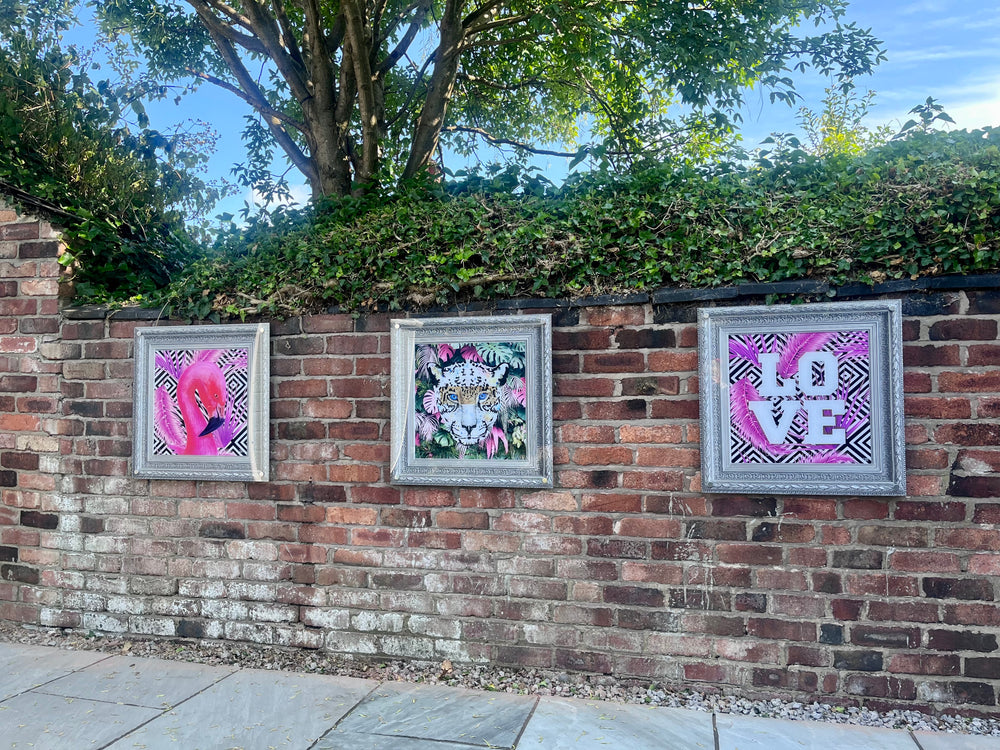
UV Resistant Artwork for Beautiful Gardens
A blank fence behind a beautifully planted border can make an otherwise thoughtful garden feel unfinished. UV resistant artwork gives that overlooked surface a purpose: a burst of colour, a focal point for entertaining, or a confident backdrop for your favourite pots and furniture. The key is choosing art made for outdoor life, not an indoor print that happens to be hung outside.
What makes UV resistant artwork different?
Sunlight is one of the hardest conditions any exterior decoration must face. Even on a typically overcast British afternoon, ultraviolet light is present. Over time, it can weaken pigments, dull deep blacks, flatten bright tones and leave an image looking washed out long before the rest of the garden has had its seasonal refresh.
UV resistant artwork is produced with materials and printing processes selected to slow that fading. At YARDART UK, digitally printed designs are presented on outdoor-grade acrylic, creating a polished, vibrant finish with the practical strength needed for exterior walls. The artwork is also designed to resist water, so a sudden shower does not turn a carefully styled patio into a maintenance job.
That distinction matters. A conventional paper print, canvas or lightweight decorative panel may look convincing at first, particularly in a sheltered spot. Yet moisture, temperature changes and prolonged sun exposure can quickly reveal its limits. Purpose-built outdoor art is an investment in a space that continues to look considered after the first summer season.
UV resistance does not mean no change at all
There is a useful difference between realistic reassurance and exaggerated promises. All materials exposed to intense, direct sunlight for many years will experience some degree of ageing. UV resistance means the artwork is engineered to retain its colour and visual clarity far better than materials not intended for exterior display.
The amount of sun your wall receives still matters. A south-facing courtyard with little shade places greater demands on artwork than a north-facing garden corner beneath a pergola. Choosing a quality outdoor-grade piece gives you confidence in either setting, while smart placement can help preserve its freshly installed appearance for longer.
Why outdoor walls deserve artwork
Gardens are often designed in layers: planting at ground level, furniture in the seating area, lighting around paths and borders. The walls, fences and rendered surfaces are frequently left as blank background. Add a statement artwork and the whole space gains depth.
A large abstract can bring colour to a quiet dining terrace without introducing more plants to water. A botanical design can echo foliage in a compact courtyard where beds are limited. Vintage-inspired imagery lends character to an older brick wall, while graphic street-style art can sharpen a modern garden scheme. Outdoor artwork allows the personality of the home to continue beyond the back door.
It also changes how a space is used. A seating area with a strong visual anchor feels more intentional, more inviting and more like an outdoor room. That is particularly valuable in gardens where the patio sits close to the house, or where an exterior wall is visible from the kitchen or living area throughout the year.
Choosing the right artwork for your setting
The best piece is not always the loudest one. Start by looking at the surface it will sit against and the feeling you want the area to have. A pale rendered wall gives high-contrast art room to stand out. On dark fencing or aged brick, designs with confident colour blocks, lighter backgrounds or clear shapes tend to read more clearly from a distance.
Scale deserves equal attention. A small artwork on a long fence can feel lost, especially when surrounded by mature planting. One substantial piece often makes more impact than several undersized decorations. For narrow spaces, a vertical format can lift the eye and make the wall feel taller. A wide landscape format suits the area above a garden bench, outdoor sofa or dining set.
Match the style to the atmosphere, not every accessory
A coordinated garden does not need to be overly matched. If your cushions are neutral and planting is soft and naturalistic, a bold abstract can provide the contrast that brings the scheme to life. If your garden already has plenty of colour from flowering borders, a monochrome architectural design or muted vintage piece may create a calmer balance.
Think about the view from indoors too. An artwork positioned opposite bi-fold doors, a kitchen window or a conservatory becomes part of the home’s everyday outlook. Choose an image you will enjoy in quieter months, not only when the garden is in full bloom.
Consider distance and sightlines
Outdoor art is rarely viewed from just one fixed spot. You may see it from the dining table, the end of the lawn, an upstairs window or the gate. Larger shapes and clear composition work especially well at a distance. Fine details can be beautiful, but their impact is strongest where viewers can get close enough to appreciate them.
Before installing, hold a sheet of cardboard in the proposed position or mark out the size with masking tape. It is a simple way to check proportion and height before committing. Artwork usually looks best when it relates to the furniture or planting beneath it rather than floating too high on an empty wall.
Placement: where colour holds its own
A sheltered patio wall is an obvious choice for UV resistant artwork, but it is far from the only one. Courtyard walls, garden rooms, fence panels, covered outdoor kitchens and entrance spaces all benefit from a carefully chosen piece. Even a side return that feels purely practical can become a design feature with the right image.
Avoid placing artwork where it will be continually knocked by chairs, gates or heavy planting. Leave enough clearance for climbers to grow without pressing against the surface, and take care with vigorous branches that could scratch it in high winds. If you are styling a wall near a barbecue or outdoor cooking area, position the piece away from direct heat and grease.
Sun direction affects both longevity and appearance. Direct light can make colours feel energised and crisp, while a shaded wall may suit artwork with lighter tones or stronger contrast. Reflections can also be part of the appeal of acrylic, giving the surface a clean, contemporary presence as the light shifts through the day.
Installation should feel straightforward
Outdoor decorating loses its appeal if every addition becomes a complex project. Choose artwork designed for simple, secure installation on a suitable exterior surface. Check the wall material first, whether it is brick, render, timber or masonry, and use fittings appropriate to that substrate.
Take the time to measure carefully, particularly when hanging more than one piece. A level artwork immediately looks more premium, while uneven spacing is surprisingly noticeable on a clean exterior wall. If your wall is exposed to prevailing weather, ensure every fixing is secure and the artwork sits as intended.
For heavier or larger formats, asking another person to help is sensible. It protects the artwork during installation and makes it easier to step back, assess the placement and make small adjustments before the final fix.
Keeping outdoor art looking its best
Quality materials reduce maintenance, but a small amount of care keeps the finish looking its best. Rinse away ordinary surface dust or pollen with clean water when needed, then gently wipe with a soft, non-abrasive cloth. Avoid harsh scouring pads, abrasive cleaners and strong solvents, which can affect the surface.
In coastal locations, salt residue may build up more quickly, so occasional gentle cleaning is worthwhile. Gardens beneath trees can also leave sap, leaves and seasonal debris on any exterior surface. Deal with marks promptly rather than allowing them to sit for long periods.
There is no need to treat outdoor artwork as fragile. The point of choosing an exterior-grade piece is to enjoy it through rain, changing temperatures and busy garden life. Care should be light-touch, not another weekend chore.
Design with confidence beyond the back door
The most memorable gardens do not stop at planting. They use colour, texture, lighting and wall space to create a setting with a point of view. UV resistant artwork gives you a practical way to bring that same care to the surfaces that frame your outdoor life.
Choose a piece that feels right for the wall, the light and the mood you want to create. Whether it becomes the bold centrepiece of a lively patio or a quiet finishing detail in a planted courtyard, it can make stepping outside feel like arriving somewhere designed for you.


Leave a comment