Vintage Outdoor Wall Art That Lasts
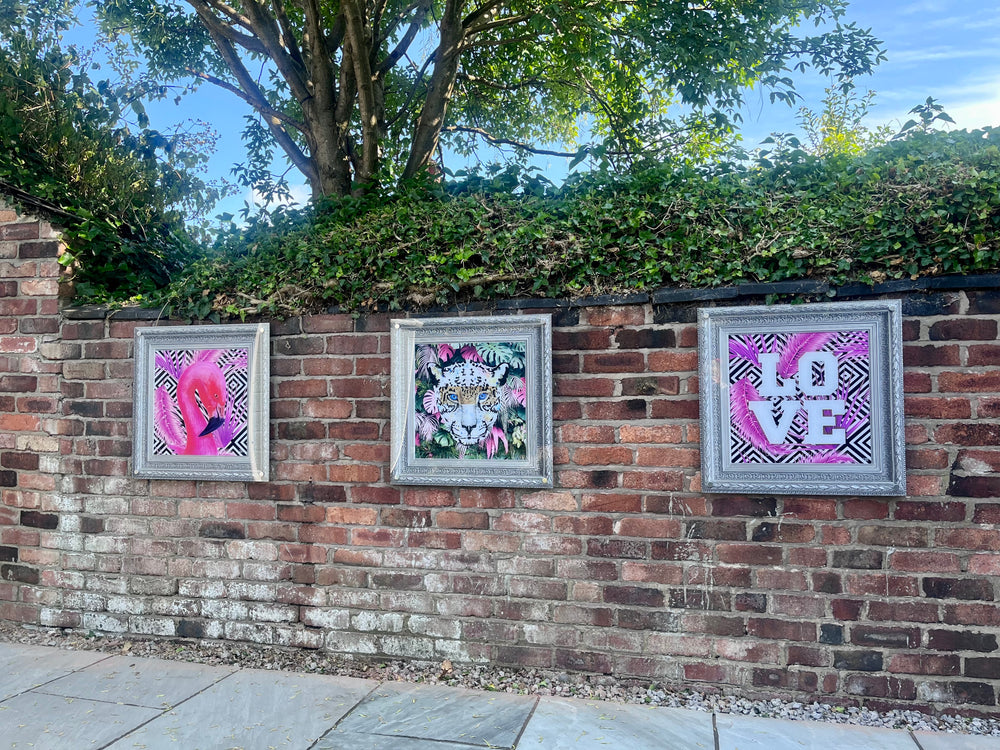
A bare garden wall can make even a beautifully planted space feel unfinished. The right vintage outdoor wall art changes that immediately, adding age, character and a sense of curation without asking you to redesign the whole space. It is one of the simplest ways to make a patio, courtyard or fence line feel considered rather than purely functional.
Vintage style works especially well outdoors because it softens hard surfaces. Brick, render and timber all benefit from artwork that brings in faded typography, timeworn botanical studies, old travel motifs or classic illustrative detail. Done well, the look feels collected and relaxed rather than themed.
Why vintage outdoor wall art suits exterior spaces
Outdoor spaces often need warmth as much as structure. Seating, planting and lighting help, but wall décor is what gives a vertical surface personality. Vintage outdoor wall art has a lived-in quality that takes the edge off newer landscaping and helps established gardens feel even more layered.
There is also a practical design advantage. Vintage-inspired imagery tends to be visually forgiving. Soft neutrals, distressed textures and heritage colours sit comfortably against greenery, stone and natural timber, so the artwork feels integrated rather than imposed. If your garden already has terracotta pots, weathered furniture or traditional planting, vintage styling usually looks immediately at home.
That said, vintage does not have to mean quaint. In a more contemporary garden, one well-scaled retro print can create contrast in a way that feels deliberate and stylish. The balance matters. Too many nostalgic details can tip into pastiche, while a single statement piece often feels sharper and more modern.
What to look for in weatherproof vintage outdoor wall art
Style matters, but outdoor performance matters more. A print that looks beautiful online is not much use if it fades after a bright summer or struggles through a wet winter. For exterior walls, the artwork needs to be made specifically for outdoor display, not simply adapted from indoor décor.
The material is the first thing to check. Outdoor-grade acrylic is a strong choice because it holds colour well, resists water and offers a clean, polished finish that still lets vintage artwork keep its character. Digitally printed designs on durable acrylic can achieve the detail and tonal depth that vintage imagery needs, from aged paper effects to delicate linework.
UV resistance is equally important. Vintage palettes often rely on muted tones, warm creams, olive greens and dusty reds. If those colours bleach out in the sun, the entire effect is lost. Water resistance matters just as much, especially in British gardens where drizzle, damp and sudden weather shifts are part of the routine rather than the exception.
Installation should not be overlooked either. Outdoor wall art needs to feel substantial once mounted, but the process should still be straightforward. If you are styling a fence, courtyard wall or outdoor dining area, ease of hanging makes a real difference.
Choosing the right vintage style for your garden
Not all vintage outdoor wall art creates the same mood. The best choice depends on the atmosphere you want and the materials already in your space.
Botanical vintage prints are ideal if your garden is lush, planted and slightly romantic. Think heritage florals, antique garden sketches or faded foliage studies. These work beautifully near climbing plants, greenhouse corners and quieter seating areas.
For patios and entertaining spaces, vintage advertising or retro travel-inspired artwork often brings more energy. These pieces have a bolder graphic quality, which helps them read well from a distance. They can make an outdoor kitchen wall or a dining zone feel more styled and social.
If your home leans traditional, look for artwork with classic illustration, painterly textures or heritage architecture references. If it is more contemporary, choose vintage-inspired pieces with cleaner composition and a more restrained palette. The era can feel nostalgic while the presentation still feels current.
This is where scale becomes important. Smaller pieces can disappear outdoors, particularly against large walls or dark fencing. Vintage artwork usually makes a stronger impression when it has enough presence to anchor the space. One larger panel often does more for the setting than several undersized ones competing for attention.
Where vintage outdoor wall art works best
The obvious answer is any empty exterior wall, but placement shapes the overall effect. A sheltered patio wall is often the easiest starting point because the art sits closer to eye level and becomes part of the everyday living space. It helps the outdoors feel styled with the same attention you would give a sitting room.
Courtyards are another strong match for vintage design. Because they are usually more enclosed, artwork reads clearly and adds atmosphere quickly. A vintage piece can give a plain wall depth and make a compact space feel more curated.
Fence panels can work too, although they need a little more care. If the fence is visually busy or broken up by planting, a simpler vintage design usually performs better than one with too much fine detail. You want the artwork to stand out, not disappear into the background.
Outdoor dining areas benefit from vintage wall art because it introduces a hospitable, layered feel. It can make the space feel less like an add-on and more like a proper room outside. Near seating, the character in the artwork becomes part of the experience rather than just background decoration.
How to style vintage outdoor wall art without overdoing it
Vintage style is at its best when it feels intentional. The easiest mistake is trying to make every element in the garden look old or rustic. That can leave the space feeling overly staged.
A better approach is to use wall art as the character piece, then let the rest of the setting support it. Natural textures such as timber planters, woven outdoor accessories, stone paving and soft textiles work well because they add warmth without competing. Planting can do a lot of the work here too. Loose, abundant greenery softens the edges of the artwork and helps it settle into the environment.
Colour should feel connected but not too matched. If the artwork includes muted sage, ochre or terracotta, you can echo those shades in cushions, pots or lanterns, but only lightly. Repetition creates cohesion. Too much coordination starts to feel forced.
It also helps to think about sightlines. Place the piece where it will be seen from the seating area, kitchen doors or a key path through the garden. Outdoor art is most effective when it has a relationship with how you use the space, not when it is simply filling a gap.
Vintage outdoor wall art for modern outdoor living
There is a reason this style continues to appeal. Vintage outdoor wall art brings personality, but it also adds a sense of permanence. It makes an exterior space feel established, as though it has been designed over time rather than assembled in a weekend.
For homeowners investing in better patios, upgraded fences or more polished garden rooms, artwork is often the missing layer. Furniture gives you function. Planting gives you softness. Art gives the space identity. That is especially true when the piece is made for outdoor conditions and does not need to be treated as fragile.
Brands such as YARDART UK have helped shift expectations here by proving that outdoor art can be both design-led and built to perform. That combination matters. People want statement pieces, but they also want confidence that the finish will hold up through changing seasons.
The best vintage-inspired designs do not just decorate a wall. They shape the mood of the whole area. A once-blank corner becomes inviting. A practical patio becomes expressive. A garden starts to feel like an extension of the home rather than a separate afterthought.
Is vintage outdoor wall art right for every garden?
Not automatically, and that is part of choosing well. If your space is extremely minimal, with sharp architectural lines and a cool monochrome palette, an ornate or heavily distressed vintage print may feel out of place. In that setting, a more pared-back heritage design usually works better.
Likewise, if your garden is already full of strong visual elements, from patterned paving to colourful planting and decorative furniture, you may need a quieter artwork to avoid visual overload. Vintage style can still work, but the design has to earn its place.
The key is not whether the artwork is vintage. It is whether it complements the atmosphere you want to create. When it does, it gives an outdoor wall far more than decoration. It gives it presence.
If your exterior space feels finished on the ground but bare at eye level, that is usually the cue. The right piece of vintage outdoor wall art can bring depth, charm and lasting visual impact with far less effort than a full garden overhaul.


Leave a comment