What Does Good YardArt Do for a Garden?
A blank fence panel can make even a beautifully planted garden feel unfinished. The paving is down, the furniture is in place, the pots are thriving - and yet the whole space still looks as though something is missing. That is usually the moment people start asking what do good about YardArt, or more naturally, what does good YardArt actually do for an outdoor space.
The short answer is this: good outdoor art gives a garden structure, personality and focus. It turns empty vertical surfaces into part of the design rather than something to work around. More importantly, it does that without demanding constant upkeep or falling apart after one wet season.
What does good YardArt do beyond decoration?
The biggest misconception about outdoor wall art is that it is simply an accessory. In a well-designed garden, it does much more than decorate. It changes how the whole space is read.
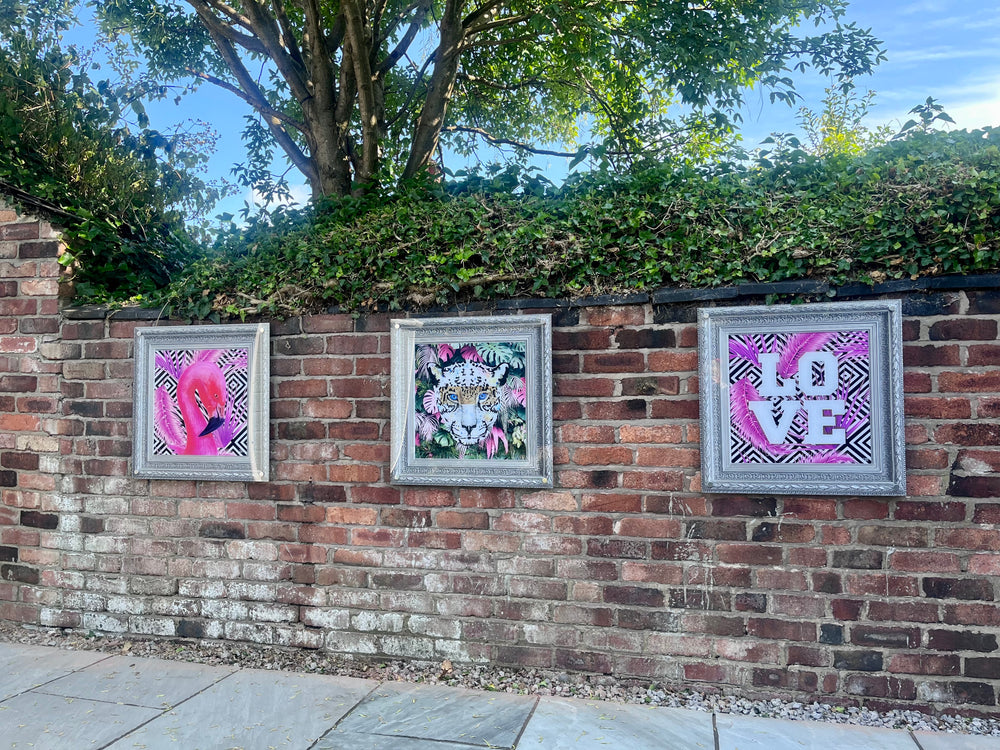
A plain exterior wall tends to sit in the background, even when it is large and visually dominant. Add the right artwork and that same wall starts to anchor the area. Suddenly, a dining corner feels intentional. A courtyard gains depth. A patio starts to feel closer to an outdoor room than an afterthought behind the house.
This matters because most gardens are not designed as one continuous masterpiece. They are usually made up of separate elements - paving, planters, seating, fencing, paint colours and planting schemes. Good YardArt helps connect those parts. It gives the eye somewhere to settle and helps the space feel edited rather than accidental.
That is why strong outdoor art often has a bigger impact than adding yet another small decorative object. It works at architectural level. It can soften a hard wall, bring balance to an awkward corner or create a clear focal point where none existed before.
Why outdoor walls need the same design attention as interiors
Indoors, empty walls rarely stay empty for long. People instinctively use art, mirrors and decorative pieces to bring warmth and character into a room. Outside, those same walls are often ignored, even though they can take up more visual space than any interior wall ever does.
Good YardArt closes that gap. It treats the garden as a styled living space, not just a practical area for plants and furniture. For homeowners who care about design, that shift is significant. It means the patio is not merely a place to put a table. It becomes part of the home’s overall look and mood.
There is also a practical benefit here. Exterior walls, fences and courtyard boundaries can be visually flat. Planting helps, but it does not always solve the issue, particularly in compact gardens or paved spaces where there is limited room for layered greenery. Outdoor art adds shape, colour and contrast without taking up floor space.
In smaller areas, that can be the difference between a space that feels considered and one that feels cramped. Instead of cluttering the ground with more objects, you use the vertical plane more intelligently.
What makes good YardArt good?
Not all outdoor art earns its place. If a piece looks striking on day one but fades, warps or becomes a maintenance problem, it has not really improved the space. It has just delayed disappointment.
Good YardArt combines visual impact with outdoor performance. That balance matters. The artwork needs to stand up to rain, sun and temperature changes while still looking crisp and intentional. If it is designed specifically for exterior display, rather than adapted from indoor decor, it is far more likely to hold its finish and its appeal.
Material quality is a big part of that. Weatherproof acrylic prints, for example, are built for real outdoor conditions. They resist water, handle UV exposure far better than standard indoor prints and keep their colour with much more consistency. That reliability is what gives buyers confidence. You are not just choosing a style you love; you are choosing something that can stay beautiful outdoors.
Installation matters too. If putting up outdoor art feels complicated, many homeowners simply postpone the decision. The best pieces are easy to position and easy to live with. They offer statement-level effect without turning the project into a weekend of stress.
The styles that change a space most effectively
Style should never be chosen in isolation. The best YardArt works with the architecture of the home, the planting style and the atmosphere you want to create.
A modern garden usually benefits from bold abstract work, graphic compositions or clean monochrome pieces that echo contemporary lines. In a softer, more layered setting, botanical prints or vintage-inspired artwork can bring detail without making the scheme feel forced. Courtyards often suit richer colour and stronger contrast because enclosed spaces can carry bolder visuals well. Larger garden walls may call for oversized artwork that holds its own against expansive surfaces.
There is no single right answer, which is why curated choice matters. A design-led collection helps homeowners shop by mood as much as by product type. Some want something calm and architectural. Others want a conversation piece that energises the whole terrace. Both can work brilliantly - if the scale, palette and placement are right.
The trade-off is that a very trend-led piece may date faster than something more timeless. On the other hand, highly neutral artwork can feel safe to the point of disappearing. Good YardArt sits in the sweet spot: distinctive enough to define the area, versatile enough to live with for years.
What does good YardArt do for entertaining spaces?
Outdoor entertaining has changed. People no longer think only in terms of a barbecue and a few chairs on the patio. They want atmosphere. They want spaces that look finished in photographs, feel inviting in the evening and reflect the same level of taste they bring indoors.
This is where YardArt proves its value quickly. A well-placed artwork behind a seating area creates an instant backdrop. It frames the scene, adds depth to the layout and makes the area feel styled rather than simply furnished. Even when the furniture is fairly simple, the overall effect becomes more polished.
For hosts, that matters because visual atmosphere shapes how a space is experienced. Guests may not consciously say, “the outdoor wall art ties this together”, but they will notice that the space feels intentional. It has character. It looks cared for.
That effect is especially useful in gardens that lack mature planting or dramatic architecture. Artwork can supply presence immediately, rather than waiting several seasons for a garden scheme to grow into itself.
The practical case for investing in weatherproof art
There is a reason many outdoor accessories end up looking tired within a year. They were not really made for sustained exposure. Rain gets in, sun bleaches the surface and the finish starts to break down.
Good YardArt avoids that cycle. When artwork is built on outdoor-grade materials and printed for exterior durability, it becomes a proper design investment rather than a short-lived decorative experiment. You buy it for its look, but you keep appreciating it for its resilience.
That durability does more than protect the piece itself. It protects the overall impression of the garden. Nothing brings down a polished outdoor scheme faster than one weather-damaged item at eye level. Because wall art often sits centrally in the composition, its condition has an outsized effect on how the whole space feels.
A premium weatherproof finish gives reassurance here. It allows homeowners to be ambitious with styling without taking on unnecessary risk. That is part of why specialist brands such as YARDART UK have a clear place in the market - they make outdoor styling feel both elevated and practical.
When YardArt works best - and when restraint is smarter
Good YardArt is transformative, but it still needs context. One statement piece on the right wall often does more than several smaller items scattered around. If every surface competes for attention, the garden can start to feel busy rather than beautiful.
Restraint is particularly useful in gardens with intricate planting or patterned paving, where there is already plenty happening visually. In those spaces, artwork should complement rather than shout over the rest of the design. By contrast, minimalist courtyards and rendered walls can handle bolder scale and stronger imagery because there is more visual quiet around them.
So the answer to what does good YardArt do is not simply that it adds colour or fills a gap. It edits the space. It gives plain walls purpose, supports the style of the garden and brings visual confidence to areas that might otherwise feel unfinished.
If your outdoor space already has good bones but still lacks that final sense of intention, the missing piece may not be another plant or another cushion. It may be the moment you stop treating the garden wall as background and start using it as part of the design.


Leave a comment