

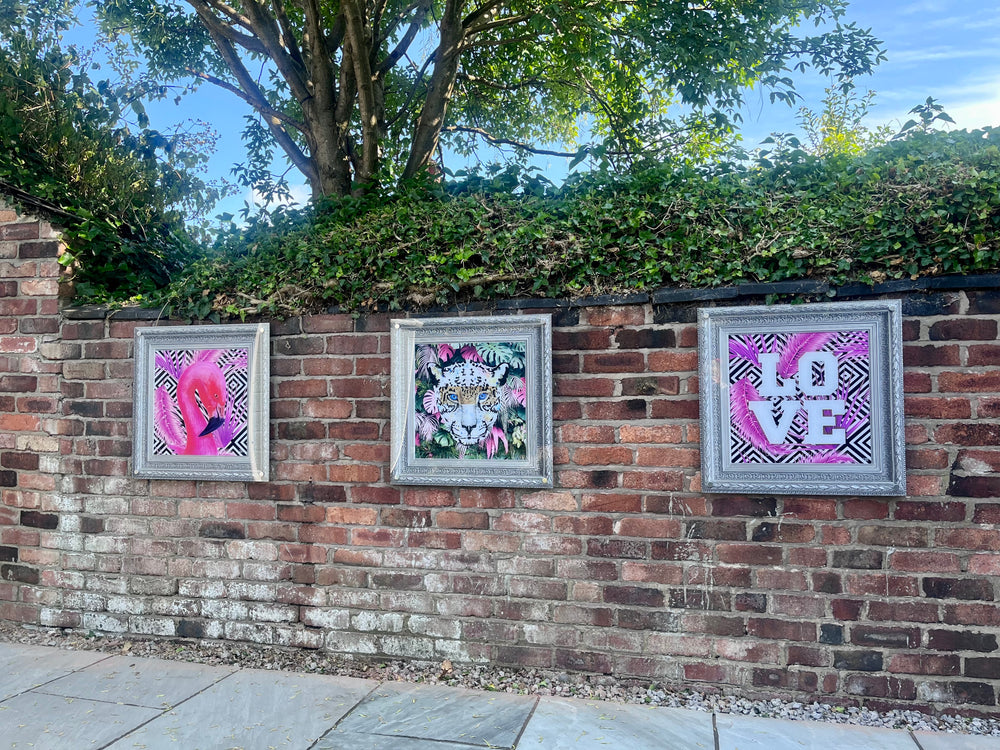
What Is the Best Art for Patios and Garden Walls?
A bare patio wall can make even the most considered outdoor furniture feel unfinished. Add the right artwork, however, and the same space gains a focal point, a sense of personality and the feeling of an outdoor room rather than simply somewhere to sit. So, what is the best art for patios? It is art designed specifically to live outside: weatherproof, properly scaled for the wall, and chosen to complement the atmosphere you want to create.
Indoor prints, framed photographs and decorative objects may look tempting, but patios ask more of their décor. Sunlight, rain, changing temperatures and garden moisture quickly expose materials that were never intended for exterior display. The best patio art brings expressive colour and design to the garden without asking you to bring it indoors whenever the weather turns.
What Is the Best Art for Patios?
For most patios, outdoor-grade acrylic wall art is the strongest choice. It delivers the polished visual impact of a gallery-style piece while being made to withstand real outdoor conditions. A digitally printed design on durable acrylic holds crisp detail and saturated colour, creating a finish that feels intentional rather than temporary.
The material matters as much as the image. Patio art should be UV resistant to help protect colour from prolonged sun exposure, water resistant to cope with rain and splashes, and easy to clean when pollen, dust or the occasional muddy fingerprint appears. It should also install securely on an exterior wall, fence or sheltered garden structure without creating a complicated weekend project.
This does not mean every patio needs one oversized statement piece. The best choice depends on the wall itself, the amount of shelter it receives and how you use the space. A compact courtyard may suit a single vivid abstract, while a long dining-wall backdrop can carry a large landscape or a carefully spaced pair of complementary designs.
Choose Art That Is Made for Outdoor Living
The first question is not which picture you like most. It is whether the artwork can genuinely perform outdoors. Patio walls are exposed to conditions that change by the hour, particularly in the UK, where bright sun and rain can arrive on the same afternoon.
Outdoor wall art made from quality acrylic is a practical answer because it combines visual depth with dependable resistance to water and UV exposure. Unlike a paper print in a conventional frame, it does not rely on indoor-friendly materials that can warp, fade or deteriorate when placed outside. That reassurance lets you treat your patio as a designed extension of your home, not a space with decorating limitations.
Position still has a role to play. A covered terrace gives you more flexibility, whereas an exposed wall needs art engineered to cope with the elements. In either setting, check that your chosen fixing method suits the wall surface and leaves the artwork sitting level and secure. A piece installed with care looks more expensive and remains a pleasure to live with.
Think about glare as well as weather
Acrylic has a sleek, contemporary surface, which is part of its appeal. On a wall that receives strong direct sun, take a moment to view the proposed position at different times of day. The aim is to place the piece where its colours and details can be enjoyed from your seating area, rather than where afternoon glare dominates the view.
Often, the answer is simple: move the art to a side wall, position it beneath a pergola edge, or select an image with richer tones and stronger contrast. Patio styling works best when it is considered from the chair, dining table or lounger where you will actually experience it.
Match the Artwork to the Patio’s Mood
The right style can change the character of an outdoor space faster than another planter or cushion ever could. Start with the feeling you want your patio to have, then select art that reinforces it.
For calm, leafy gardens, botanical artwork creates an easy visual connection between the planted borders and the wall behind them. Ferns, palms, florals and painterly garden scenes work especially well where the patio is surrounded by greenery. They add colour through the colder months too, when beds and containers may be less full.
Abstract art is a confident choice for contemporary patios. It can pick up the colour of outdoor cushions, rendered walls, paving or painted fencing without becoming overly literal. A bold blue, terracotta, emerald or monochrome composition gives a clean-lined seating area a more curated, architectural feel.
Vintage-inspired designs bring warmth and character to brick walls and relaxed entertaining spaces. They suit patios with timber furniture, traditional planting and softer lighting, while boho artwork can make a suntrap corner feel more layered and personal. If your garden has a playful edge, street-art-inspired designs offer instant energy and a strong talking point.
Equine and wildlife imagery often works beautifully in rural settings or gardens with an open outlook. The key is choosing a piece that feels connected to the landscape rather than competing with it. One well-chosen image has more presence than several unrelated decorations.
Get the Scale Right Before You Buy
Undersized art is one of the easiest ways to make a patio wall look accidental. A small piece floating in the middle of a broad fence panel or rendered wall can disappear as soon as the furniture is in place. Outdoor spaces usually need more scale than interiors because there is more surrounding visual space: sky, planting, paving and long sightlines all make objects appear smaller.
As a useful guide, choose artwork that fills around two-thirds of the visible wall width above a sofa, bench or dining set. It does not need to be exact, but this proportion creates a deliberate relationship between the art and the furniture beneath it. For a narrow wall between doors or windows, a portrait-format piece can add height without crowding the space.
If you are styling a large blank wall, one substantial artwork is often more effective than a busy cluster. It creates a clear focal point and is easier to appreciate from across the garden. A pair can work well when the patio layout is symmetrical, such as either side of French doors or above matching benches. Keep a consistent gap between the pieces so they read as one considered display.
Use colour to connect, not match
Patio art does not have to match every cushion or flowerpot. In fact, an exact match can feel overly controlled and date quickly when you change seasonal accessories. Instead, choose one or two colours already present in the space, then let the artwork introduce a complementary shade or stronger variation.
For example, artwork with sun-washed ochre and soft coral can warm up grey paving and charcoal furniture. A deep green design can make pale stone feel grounded, while a lively abstract in cobalt can lift a neutral patio that lacks visual energy. This creates a layered scheme with enough contrast to feel designed, not coordinated by formula.
Consider Your Wall, Fence and Viewing Distance
A smooth rendered wall provides an easy gallery-like backdrop, especially for modern or abstract art. Brick brings texture and works particularly well with artwork that has clear colour blocks or confident imagery. On a dark fence, a bright or light-toned piece can stop the boundary fading into the background, while on a pale wall, deeper colours add definition.
Viewing distance should influence the design too. If the piece will be seen mainly from a few metres away at the end of the garden, select an image with a strong silhouette, broad shapes or high contrast. Fine linework and delicate details are more rewarding close up, perhaps beside a bistro table or in an intimate courtyard corner.
Do not overlook sightlines from indoors. A patio artwork positioned opposite kitchen doors or visible from the living room gives you a pleasing view even when you are not outside. This is one of the simplest ways to make the garden feel connected to the home throughout the year.
Make Your Patio Art Part of a Complete Scene
Artwork is most impactful when it has room to breathe. Avoid placing it too low behind tall furniture or allowing climbing plants to obscure the design. Give it a clear wall zone, then frame the area with softer elements such as potted grasses, lanterns or a nearby olive tree. The contrast between structured art and natural planting is what gives an outdoor display its charm.
At YARDART UK, outdoor-grade acrylic art is created for exactly this balance: decorative impact with practical confidence. It allows homeowners to choose a piece for its character first, knowing it is also suited to rain, sun and the everyday reality of garden living.
The best patio art is ultimately the piece that makes you want to spend longer outside. Choose a design that catches your eye from the back door, suits the scale of your wall and is made to remain beautiful through changing seasons. Your patio deserves more than functional furniture - it deserves a point of view.


Leave a comment