Why Timing Is Key to Get Your Garden Ready
The first warm weekend of the year has a way of making every garden project feel urgent. Suddenly the patio needs attention, the borders look bare, the fence feels tired and that blank exterior wall you ignored all winter becomes impossible to miss. That is exactly why timing is key to get your garden ready. Start too early and you risk wasted effort. Leave it too late and you spend the best part of spring catching up.
A well-prepared garden rarely comes together in one dramatic weekend. The spaces that look polished by May and inviting through summer are usually shaped in stages, with each job done when conditions are right. That applies as much to planting and cleaning as it does to styling. If you want your outdoor space to feel designed rather than merely tidied, timing matters more than most people think.
Why timing is key to get your garden ready
Gardens change quickly, but not always on your schedule. Soil temperature, rainfall, wind exposure and daylight hours all affect what can be done successfully. There is no point pressure-washing every surface during a wet spell if everything stays damp and green again within days. In the same way, adding decorative touches before you have dealt with maintenance can make the whole space feel unfinished.
Good timing saves money too. Replacing plants that were put in too early, repainting surfaces because they were treated in poor conditions or buying accessories before you have settled the layout all lead to avoidable spend. A measured approach gives you a better result and usually a more cohesive one.
For design-focused homeowners, this is where the garden starts to behave more like an interior project. You are not just reacting to weeds and weather. You are building a look, layer by layer, so the practical jobs support the visual finish.
Start with structure before detail
The smartest point to begin is late winter into early spring, when the garden is still open enough to assess properly. This is when you can see the bones of the space. Fences, walls, patios, seating zones and pathways are easier to evaluate before growth softens the edges.
At this stage, resist the temptation to buy decorative pieces simply because you are eager to refresh the space. First decide how you want the garden to function. Is it mainly for outdoor dining, a morning coffee spot, entertaining, or a visual extension of the house? The answer affects everything from furniture placement to where artwork will have the greatest impact.
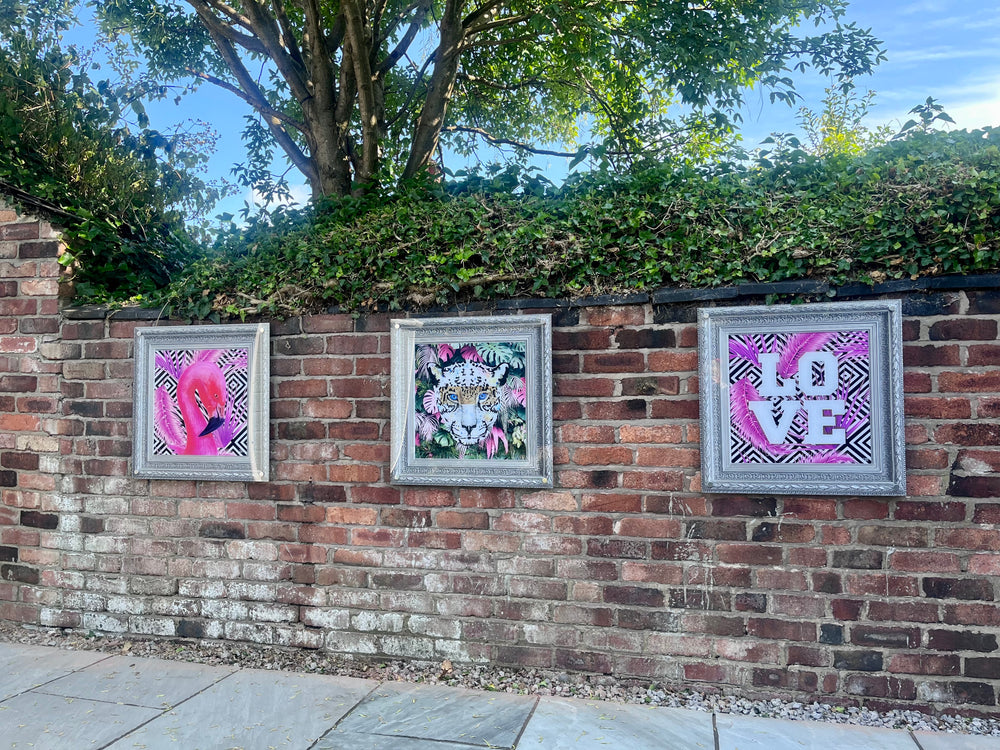
Exterior walls are particularly easy to overlook early on, yet they do a great deal of visual work. A bare wall can make even a well-planted garden feel incomplete, while a thoughtfully chosen outdoor art piece can anchor a seating area, add colour where planting is sparse and create a focal point before flowers hit their stride.
Early spring is for clearing, repairing and planning
Once temperatures begin to lift, focus on groundwork. Sweep debris, clear algae from hard surfaces, prune what needs pruning and check for winter damage. This is also the moment to look at fences, rendered walls and sheltered patio areas with a fresh eye.
If a surface is crumbling, flaking or unstable, fix that before adding any styling. Outdoor decor performs best when the setting around it feels considered. Even premium, weatherproof pieces lose some of their impact if they are hung on a neglected backdrop.
Planning now also gives you time to make better aesthetic choices. Instead of panic-buying when guests are due, you can consider proportion, palette and placement. A contemporary abstract panel might sharpen a modern courtyard, while a botanical or vintage-inspired design can soften a more traditional garden. The right choice depends on the architecture as much as the planting.
Mid-spring is the sweet spot for visual transformation
For many gardens, mid-spring is where function and style start to align. Surfaces are cleaner, days are longer and there is enough growth to understand the mood of the space without summer fullness getting in the way. If you want a visible transformation, this is often the best time to make it happen.
This is especially true for decorative upgrades. Outdoor wall art, planters, cushions and lighting tend to work best once the setting has been cleaned and arranged but before the season gets busy. You can still adjust the layout, and you get the full benefit of the upgrade for months rather than weeks.
There is also a practical advantage. Installing outdoor artwork in settled spring conditions is usually simpler than doing it in high summer heat or autumn damp. You can step back, assess scale in natural daylight and make sure the piece sits comfortably within the wider garden composition.
Timing garden styling around planting
One of the most common mistakes is treating planting and styling as separate jobs. They work best together. If your flower beds are the stars in June but look underwhelming in April, decorative features can bridge that seasonal gap. A well-placed art panel adds presence when borders are still developing and keeps the garden feeling finished after peak bloom has passed.
This matters in smaller gardens, courtyards and patios where every surface counts. In compact spaces, you do not need a large number of features. You need the right ones, introduced at the right point. One statement wall piece can often do more than several smaller accessories that compete for attention.
It is worth thinking in layers. Structural planting provides shape, seasonal colour adds softness, and decorative focal points create identity. When those layers are introduced in the right sequence, the space feels calm and intentional rather than crowded.
What to do if you are late starting
Not everyone gets ahead in March. Realistically, many homeowners begin when the weather improves or when the first barbecue is suddenly on the calendar. If that is you, the answer is not to do everything at once. Prioritise impact.
Start with the areas people see first: the wall behind the dining set, the fence facing the patio, the approach to the back door, or the corner that always appears in photos. Clear those areas thoroughly, simplify what feels cluttered and introduce one or two strong design decisions.
This is where durable outdoor art earns its place. Planting takes time to establish, but a weatherproof artwork gives immediate structure and colour. It can make a freshly cleaned terrace feel styled in an afternoon, especially when paired with coordinated pots or seating textiles. For homeowners who want a garden to feel finished quickly without relying on constant upkeep, that speed matters.
Why the right materials matter as much as the right month
Timing helps, but materials decide whether your effort lasts. Outdoor spaces are unforgiving. Sun fades weak prints, rain exposes poor finishes and temperature changes test anything not built for exterior use.
That is why decorative choices should be made with performance in mind, not just appearance. Pieces designed specifically for outdoor display offer a different level of confidence. UV and water resistance, durable construction and simple installation all remove friction from the styling process. You are not decorating for one nice weekend. You are investing in a space that should keep looking good through changing conditions.
For homeowners who want the garden to feel as considered as the living room, this is the difference between temporary decoration and proper outdoor design. Brands such as YARDART UK have built that idea into the category itself, making it easier to treat exterior walls as part of the overall scheme rather than an afterthought.
Timing is key to get your garden ready for entertaining
If your main goal is hosting, work backwards from the first date you expect to use the space properly. Give yourself at least a few weeks to prepare, not because every job is difficult, but because gardens reveal what they need in stages.
Once the furniture is back out, you will notice sightlines. Once the pots are planted, you will spot empty vertical spaces. Once the evenings get lighter, lighting and wall features matter more. Rushing all of those decisions into one weekend usually leads to a garden that is functional but not memorable.
A better approach is to complete the heavy maintenance first, then add the visual elements that shape atmosphere. Exterior art is particularly effective here because it gives the eye somewhere to land. It turns a practical patio into a space with personality, and it helps the garden feel finished even before every plant has filled out.
The best outdoor spaces never look accidental. They feel edited, balanced and ready to be enjoyed. If you are planning your refresh now, trust the process and give each stage its moment. A garden does not need perfect weather or endless square footage to look exceptional. It simply needs the right decisions made at the right time.


Leave a comment